Stinging Nettle Root for Kidney Health: An Honest Guide
By Jessica Johnson, Herbal Science Researcher at Real Herbs | Updated: July 2026 | Reading time: 9 minutes

Key takeaway: "Detoxification" is a term worth using precisely: healthy kidneys already continuously filter and eliminate waste on their own. Nettle root's real, documented diuretic effect is genuinely relevant to kidney and urinary support, and there's real preclinical research on stone prevention and nephroprotection for this plant, though some of the most specific findings come from leaf research rather than root. It's also worth knowing the diuretic effect is concentration-dependent, with animal research suggesting higher concentrations may not be simply "stronger" but harder for the body to reverse. For anyone with an existing kidney condition, this is an area where medical guidance matters more than usual.
Supporting Your Kidneys: What "Detox" Actually Means
The kidneys continuously filter waste from the blood, regulate electrolytes, and maintain fluid balance. "Detox" is often used loosely in wellness marketing, but real kidney support means supporting these organs in their natural, ongoing filtration process, not an aggressive "cleanse." Stinging nettle root (Urtica dioica), better known for prostate health, has genuine, documented properties relevant to this kind of support.
Mechanisms of Action: How Nettle Root Relates to Kidney Health
- Diuretic properties, with an important safety nuance: Nettle root is a well-documented diuretic, increasing urine production and flow (PMID 17509841). A study using continuous intravenous perfusion of aqueous nettle extract in rats found arterial blood pressure reduced by 15% at a lower dose and 38% at a higher dose, alongside increased diuresis and sodium excretion (Tahri A, Yamani S, Legssyer A, Aziz M, Mekhfi H, Bnouham M, Ziyyat A. J Ethnopharmacol. 2000 Nov;73(1-2):95-100. PMID 11025144). It's worth knowing that in this same study, the higher dose's effect didn't fully reverse during the recovery period, a finding the researchers described as a possible sign of toxicity at that concentration, relevant context for anyone considering higher doses, especially with existing kidney concerns.
- Anti-inflammatory and antioxidant activity: Nettle root's documented anti-inflammatory and antioxidant properties are relevant general background for kidney tissue health, given inflammation and oxidative stress contribute to kidney damage over time (PMID 17509841).
- Protection against urinary stone formation (leaf-specific finding): An animal study found nettle leaf methanol extract significantly reduced urinary calcium, oxalate, and calcium oxalate crystal formation in rats (Zhang H, Li N, Li K, Li P. Mol Med Rep. 2014 Dec;10(6):3157-62. PMID 25310585). This is genuine evidence for the plant, worth knowing it's specifically leaf-based, not root.
- Nephroprotective effects (against cisplatin toxicity): A study found nettle methanolic extract reduced markers of kidney injury, including blood urea nitrogen and creatinine, in a model of cisplatin-induced toxicity in tumor-bearing mice (Ziaee A, et al. Iran J Pharm Res. 2011 Summer;10(3):477-83. PMID 21939360).
Scientific Evidence for Nettle Root's Renal Relevance
- Human trials, mainly for prostate-related urinary symptoms: Clinical trials on nettle root for BPH consistently show improvement in urinary symptoms (PMID 15045190, PMID 16635963). Improved urinary flow and reduced urinary stasis are relevant to general urinary tract health, though these trials were designed around BPH symptoms specifically, not kidney function or detoxification.
- Preclinical evidence for kidney-specific effects: The stone-prevention and nephroprotection findings above provide more direct, if preclinical, evidence connecting the plant specifically to kidney health, alongside its general diuretic, anti-inflammatory, and antioxidant properties (PMID 17509841).
How to Use Stinging Nettle Root for Kidney Support
- Decoctions: Simmering dried, chopped root in water for 20-30 minutes is the traditional way to extract its beneficial compounds into a strong tea.
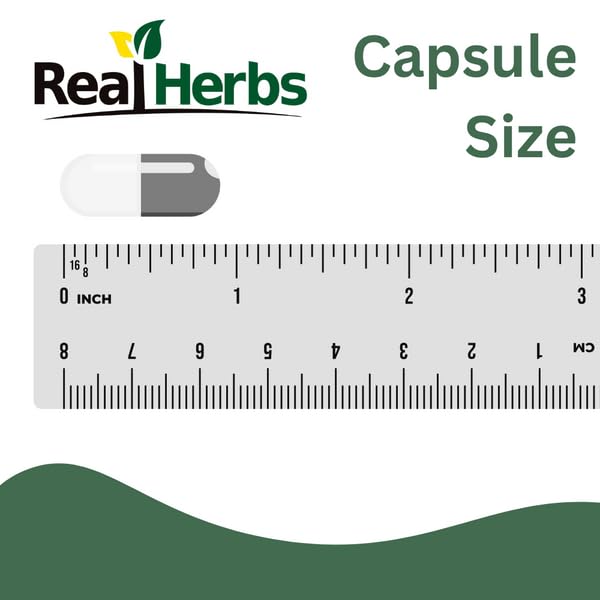
- Standardized extracts: Capsules or tinctures provide a more consistent, measured dose. Clinical trials on nettle root have generally used doses in the 300-600mg range daily; follow your product's specific label instructions.
- Consistency: Consistent daily intake over weeks to months is more consistent with how nettle root's documented properties have been studied than occasional use.
- Hydration: Because of nettle's diuretic action, maintain adequate fluid intake throughout the day.
Crucial Considerations and Precautions for Kidney Health
- Existing kidney disease: For anyone with diagnosed kidney disease (chronic kidney disease, kidney failure, or impaired kidney function), nettle's diuretic effect could interfere with medical management of fluid and electrolyte balance. This is a real, dose-dependent effect, not just a general caution: animal research found a higher concentration produced a stronger, less easily reversible effect than a lower one. Do not use without strict medical supervision.
- Drug interactions: Nettle root can interact with diuretics, blood pressure medications, and blood thinners, all genuinely relevant considerations for kidney patients specifically.
- Not a substitute for medical treatment: Nettle root is a complementary option, never a replacement for prescribed medication or a medical treatment plan for kidney conditions.
- Monitor symptoms: Seek medical attention for any new or worsening urinary or kidney-related symptoms.
Frequently Asked Questions
Does nettle root actually detoxify the kidneys?
Not in the sense that "detox" marketing often implies. Healthy kidneys already continuously filter and eliminate waste. Nettle root's real diuretic, anti-inflammatory, and antioxidant properties are genuinely relevant to kidney support, but they don't make detoxification meaningfully faster than what a healthy body already does.
Is the stone-prevention research about root or leaf?
Leaf. The most direct animal evidence for reducing calcium oxalate crystal formation used a leaf extract. Root's relevance here rests more on its general diuretic and antioxidant properties than on direct, root-specific stone-prevention research.
Explore Real Herbs Stinging Nettle Root
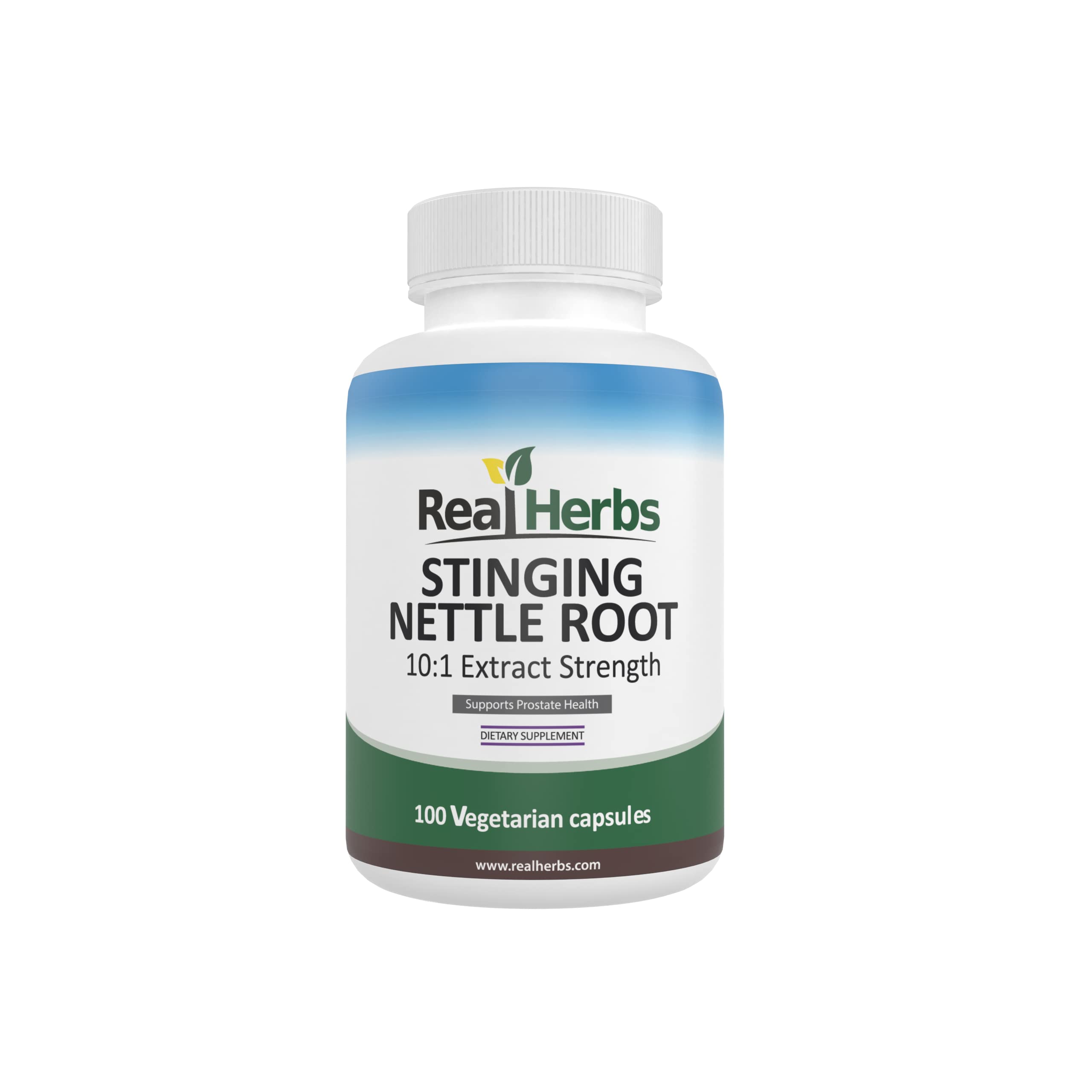
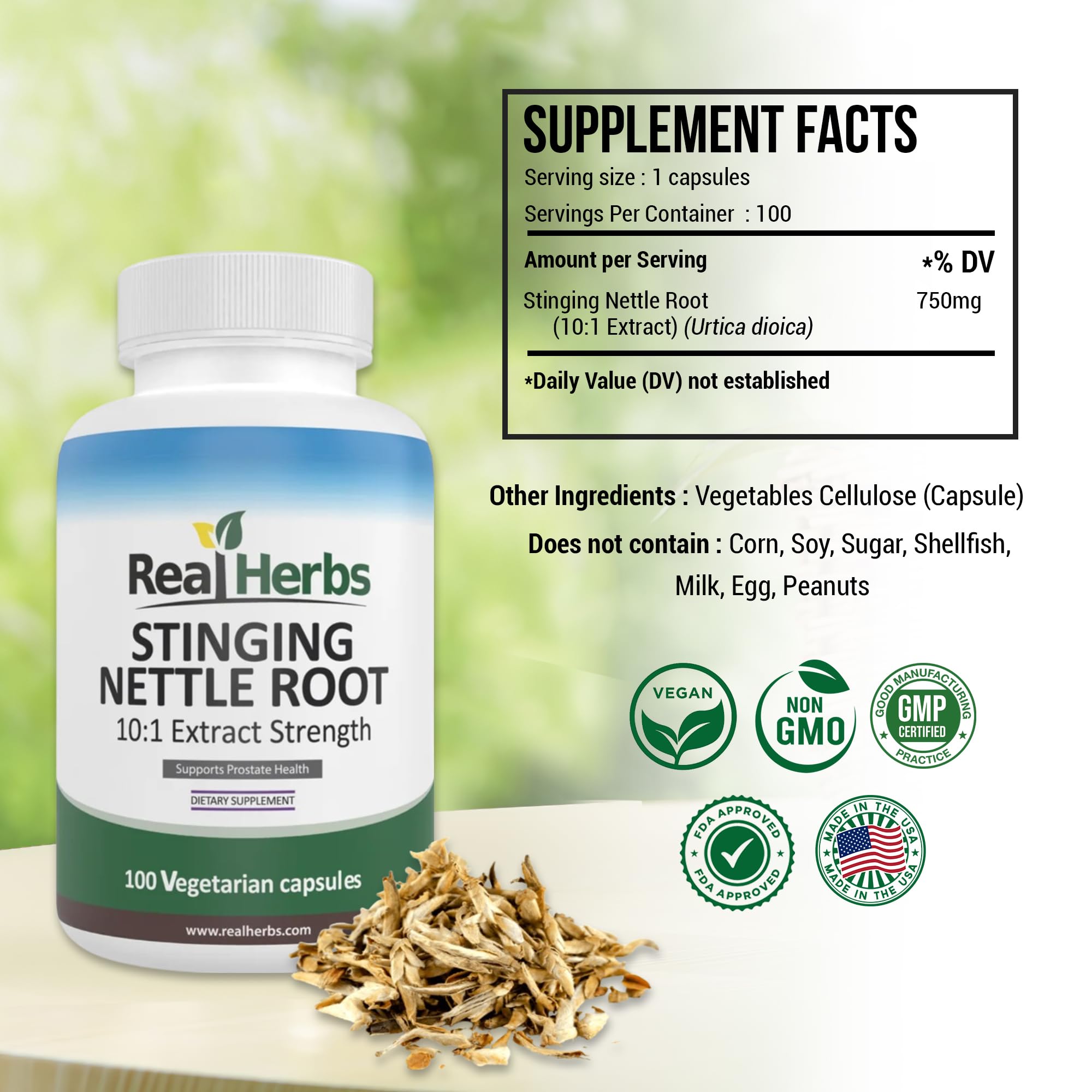
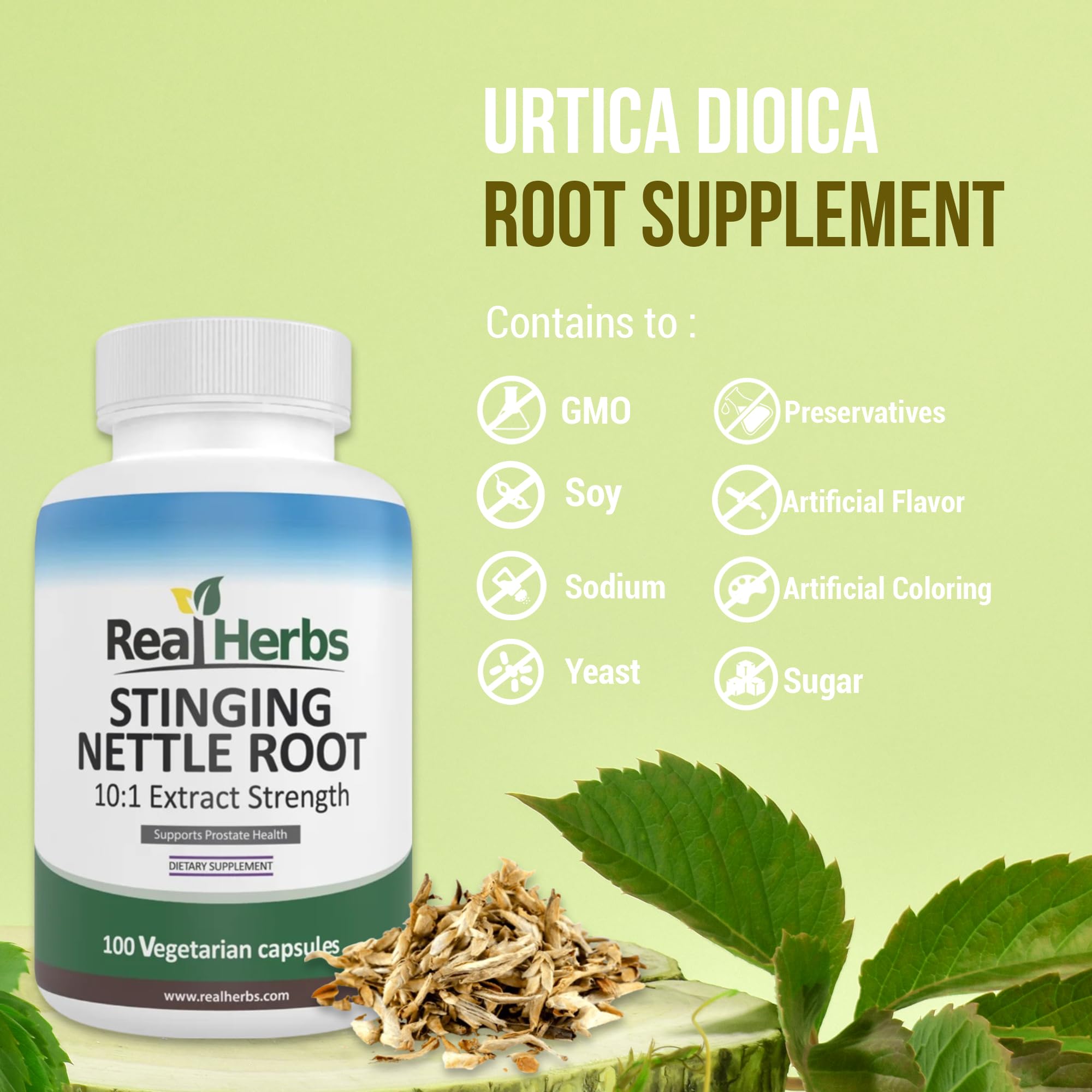
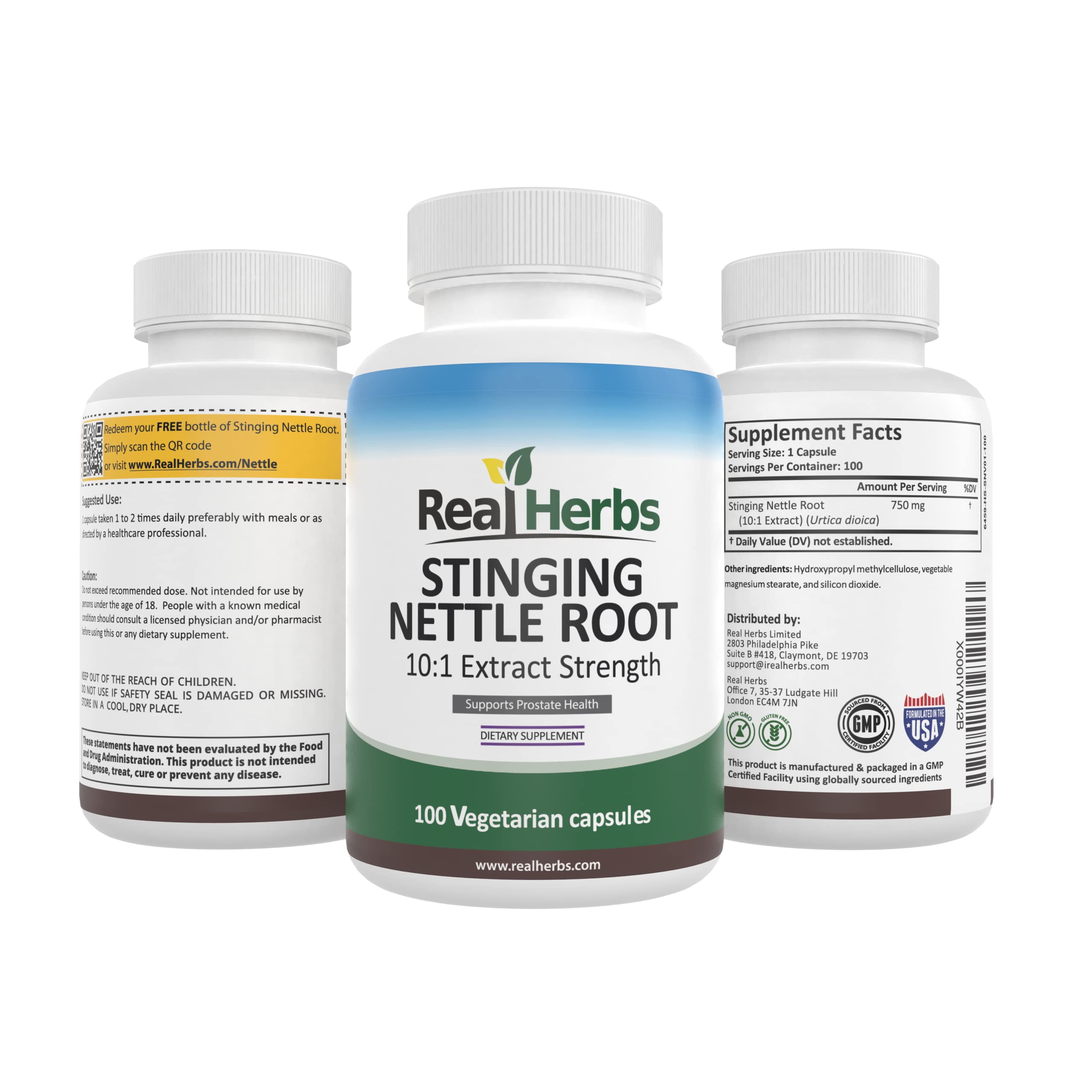
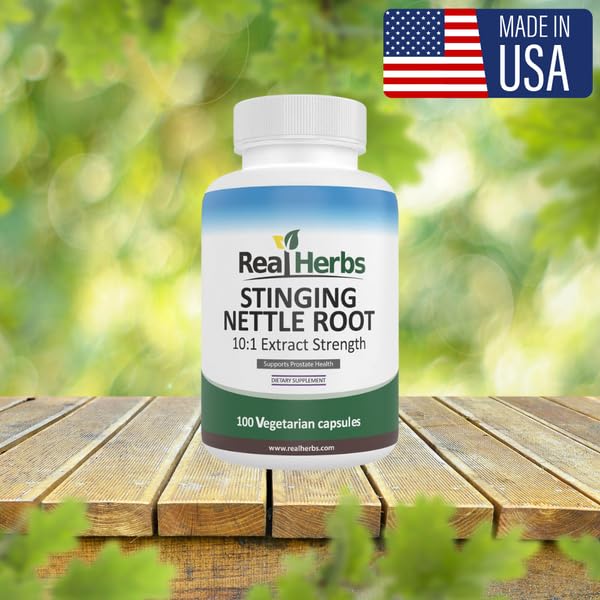
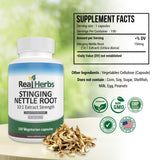
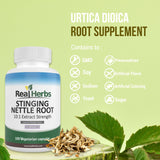
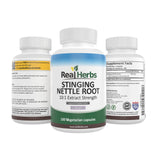
Real Herbs Stinging Nettle Root Extract delivers 750mg of 10:1 root extract per capsule, formulated primarily to support prostate and hormonal health. If you have kidney conditions or concerns, talk to your healthcare professional before trying any new supplement.
Shop Stinging Nettle Root Extract
Backed by our 30-Day Money-Back Guarantee.
Related Articles
- The Diuretic Properties of Stinging Nettle Root Explained
- Preventing Kidney Stones: The Role of Stinging Nettle Root
- Stinging Nettle Root for Kidney and Urinary Tract Health
Clinical References
- Chrubasik JE, Roufogalis BD, Wagner H, Chrubasik S. A comprehensive review on the stinging nettle effect and efficacy profiles. Part II: urticae radix. Phytomedicine. 2007 Aug;14(7-8):568-79. PMID 17509841
- Tahri A, Yamani S, Legssyer A, Aziz M, Mekhfi H, Bnouham M, Ziyyat A. Acute diuretic, natriuretic and hypotensive effects of a continuous perfusion of aqueous extract of Urtica dioica in the rat. J Ethnopharmacol. 2000 Nov;73(1-2):95-100. PMID 11025144
- Schneider T, Rubben H. Stinging nettle root extract (Bazoton-uno) in long term treatment of benign prostatic syndrome (BPS). Results of a randomized, double-blind, placebo controlled multicenter study after 12 months. Urologe A. 2004;43:302-6. PMID 15045190
- Safarinejad MR. Urtica dioica for treatment of benign prostatic hyperplasia: a prospective, randomized, double-blind, placebo-controlled, crossover study. J Herb Pharmacother. 2005;5(4):1-11. PMID 16635963
- Zhang H, Li N, Li K, Li P. Protective effect of Urtica dioica methanol extract against experimentally induced urinary calculi in rats. Mol Med Rep. 2014 Dec;10(6):3157-62. PMID 25310585
- Ziaee A, et al. Ameliorative influence of Urtica dioica L against cisplatin-induced toxicity in mice bearing Ehrlich ascites carcinoma. Iran J Pharm Res. 2011 Summer;10(3):477-83. PMID 21939360
Disclaimer: The information provided in this article is for educational purposes only and is not intended as medical advice. Always consult with a qualified healthcare professional before making any decisions about your health or starting any new supplement regimen, especially if you have existing kidney conditions or are taking medications. These statements have not been evaluated by the Food and Drug Administration. This product is not intended to diagnose, treat, cure, or prevent any disease.
© 2026 Real Herbs. All rights reserved.