The Diuretic Properties of Stinging Nettle Root Explained
By Jessica Johnson, Herbal Science Researcher at Real Herbs | Updated: July 2026 | Reading time: 8 minutes

Key takeaway: Nettle's diuretic effect is genuinely documented, increased urine output, sodium excretion, and a related blood-pressure-lowering effect. It's worth knowing that the foundational animal study used aerial plant parts, not root specifically, and that the same study found the effect became persistent and potentially problematic at a higher dose. This is a real, dose-dependent effect, which is exactly why moderate dosing and medical guidance matter here.
Understanding Nettle as a Natural Diuretic
Stinging nettle (Urtica dioica) is recognized in traditional and modern herbal medicine for its diuretic properties, among a broader range of documented phytochemical and pharmacological effects (PMID 35251206). Diuretics help the body excrete excess fluid and sodium through increased urination. This effect has made nettle a popular natural option for concerns associated with fluid retention, including benign prostatic hyperplasia (BPH) and general urinary health.
This article explains the science behind nettle's diuretic effect, including an important dose-dependent finding from the foundational research that's worth knowing before use.
The Science of Diuresis: How Nettle Acts on the Body
- Increased water and sodium excretion: An animal study using a continuous intravenous perfusion of an aqueous extract of nettle's aerial parts (leaf and stem) found a dose-dependent increase in urine output and sodium excretion (natriuresis), along with a reduction in blood pressure (Tahri A, Yamani S, Legssyer A, Aziz M, Mekhfi H, Bnouham M, Ziyyat A. J Ethnopharmacol. 2000 Nov;73(1-2):95-100. PMID 11025144).
- A dose-dependent safety finding worth knowing: In this same study, the blood-pressure-lowering effect from the lower dose resolved within about an hour, but at the higher dose tested, the effect was persistent, which the researchers themselves noted as a possible sign of toxicity. This is a genuine reason for caution with high doses, not just a general disclaimer.
- Influence on kidney function: The diuretic effect is generally understood to work through the kidneys, though the compounds and pathways responsible for this in root extracts specifically aren't fully mapped out.
- Modulation of cellular pumps: Research in the context of BPH suggests nettle root extracts may affect the Na+,K+-ATPase pump in prostate cell membranes (PMID 7510891), a mechanism relevant to prostate tissue function specifically, separate from the general diuretic effect described above.
Diuretic Effects in Specific Health Contexts
- Urinary and prostate health (BPH): Nettle root's diuretic action is one reason it's used for BPH-related symptoms, alongside its documented effects on prostate tissue (PMID 17509841). Increased urine flow may help address symptoms like weak stream and incomplete emptying.
- Cardiovascular relevance: The natriuretic and diuretic effects documented in the research above are connected to a blood-pressure-lowering effect at the doses tested. Nettle isn't a replacement for blood pressure medication, and combining the two requires medical guidance given the risk of additive effects.
- A note on "detoxification": Increased urination does support elimination of some waste products, but it's worth being precise: a healthy body already handles this continuously. Nettle's diuretic effect is real, but it's not a distinct "cleansing" mechanism beyond what increased fluid excretion naturally does.
Dosage and Safety Considerations
- Form of consumption: Nettle root is most commonly used as a standardized extract in capsules, or as a decoction (a strong tea made from the root).
- Stay hydrated: Since the goal isn't dehydration, drink enough water to offset the increased fluid loss from any diuretic, including this one.
- Respect the dose: Given the documented dose-dependent effect described above, more isn't automatically better. Stick to labeled or medically recommended doses rather than assuming a higher dose is simply a stronger version of the same safe effect.
- Medical consultation: Talk to a healthcare professional before using nettle root, especially if you have a pre-existing condition or take prescription medications, particularly diuretics or blood pressure medications, since interactions are possible.
Frequently Asked Questions
Is nettle's diuretic effect the same for root and leaf?
The foundational research on the acute diuretic and blood-pressure effects used the aerial parts of the plant (leaf and stem), not root specifically. Root shares related compounds and has its own general safety and traditional-use record as a diuretic, but the specific dose-response data described here comes from aerial-part research.
Does a higher dose mean a stronger, still-safe diuretic effect?
Not necessarily. The foundational study found the effect became persistent, not just stronger, at a higher dose, which the researchers flagged as a possible sign of toxicity. This is a reason to stick to recommended doses rather than assume more is simply more effective.
Conclusion: A Real Effect That Deserves Respect
Stinging nettle has a documented diuretic effect, with real research behind the mechanism, though much of the foundational dose-response data comes from aerial-part research rather than root specifically. The same research that established this effect also found it becomes potentially problematic at higher doses, a genuine reason to respect labeled dosing and involve a healthcare professional, rather than a generic caution.
Support Urinary Health With a Standardized Root Extract
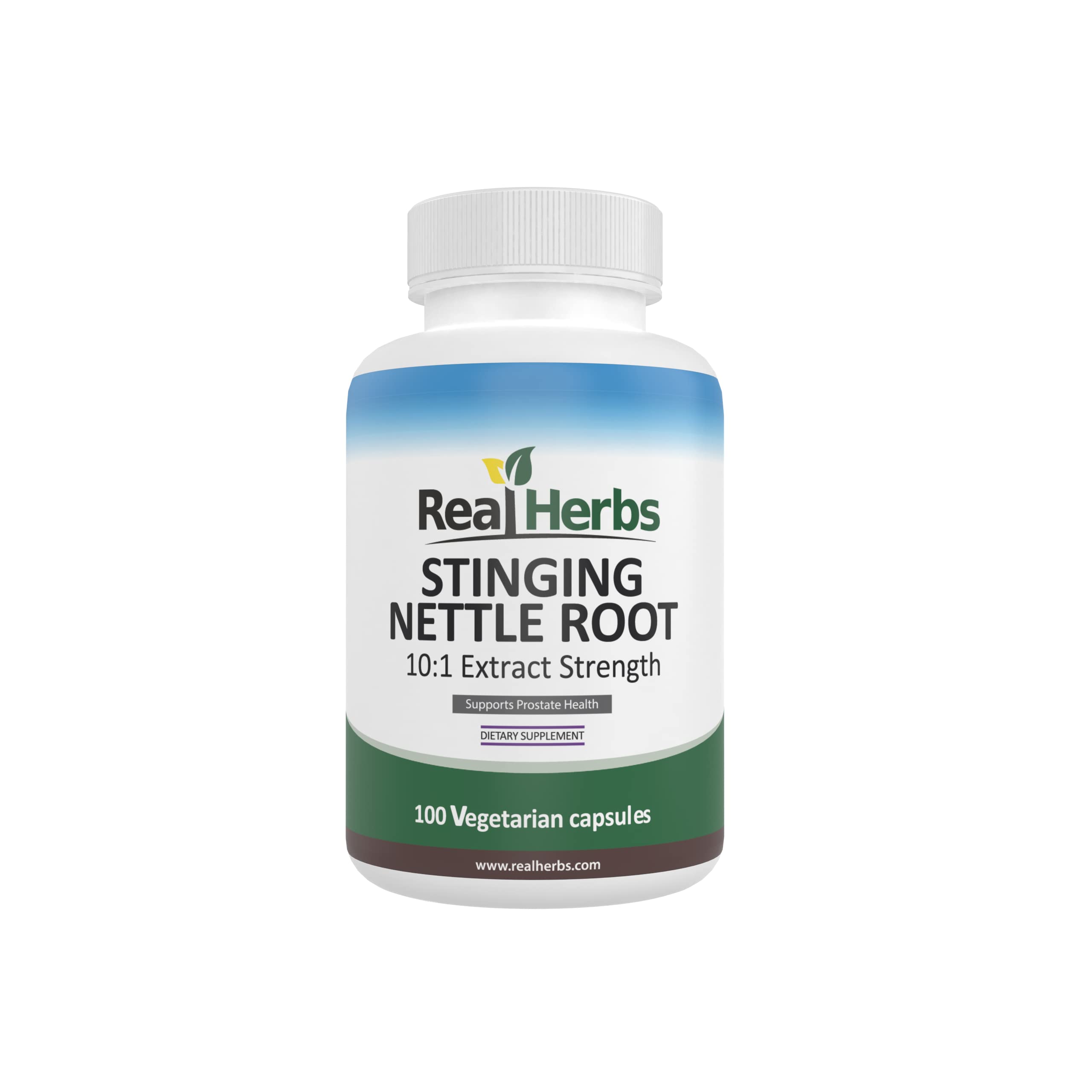
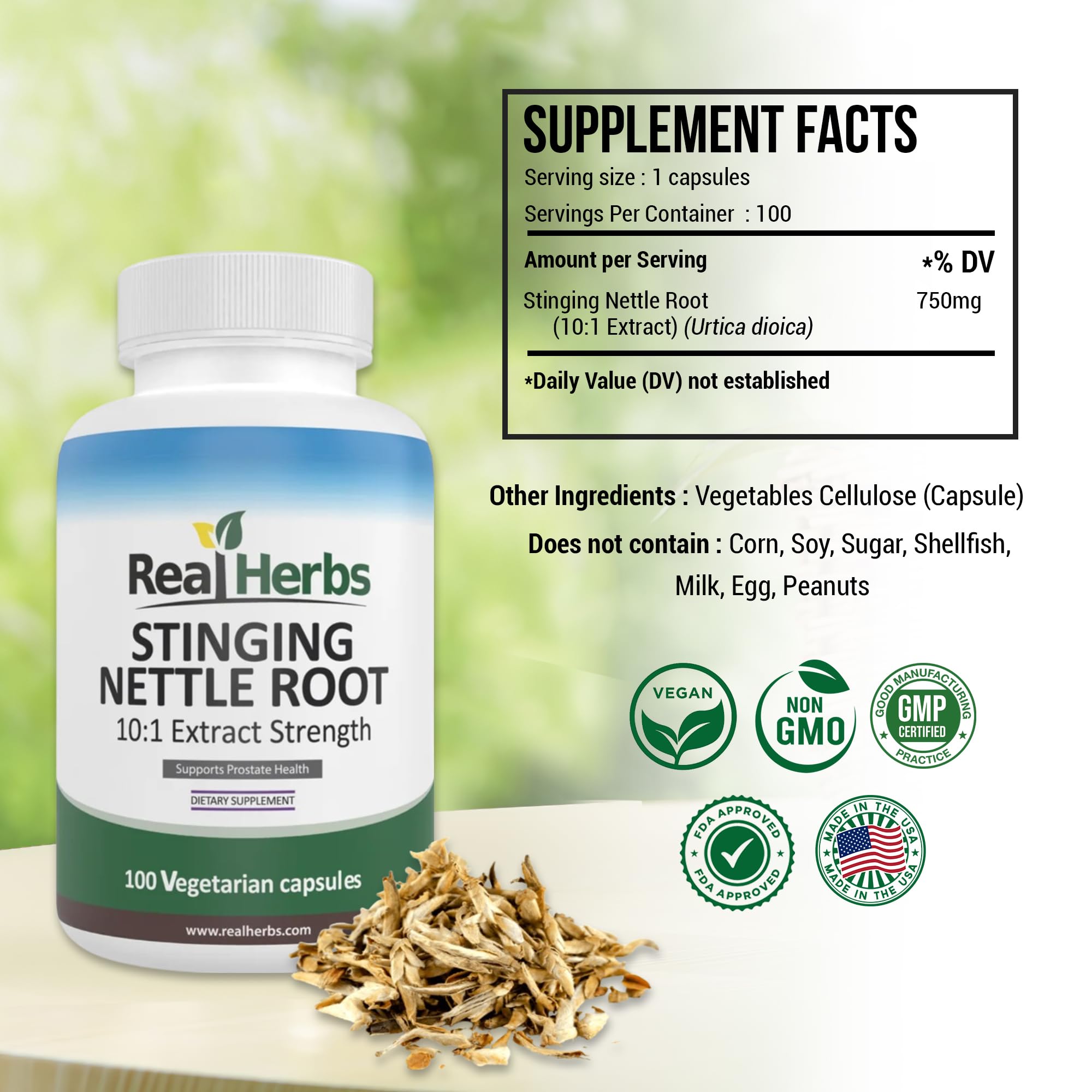
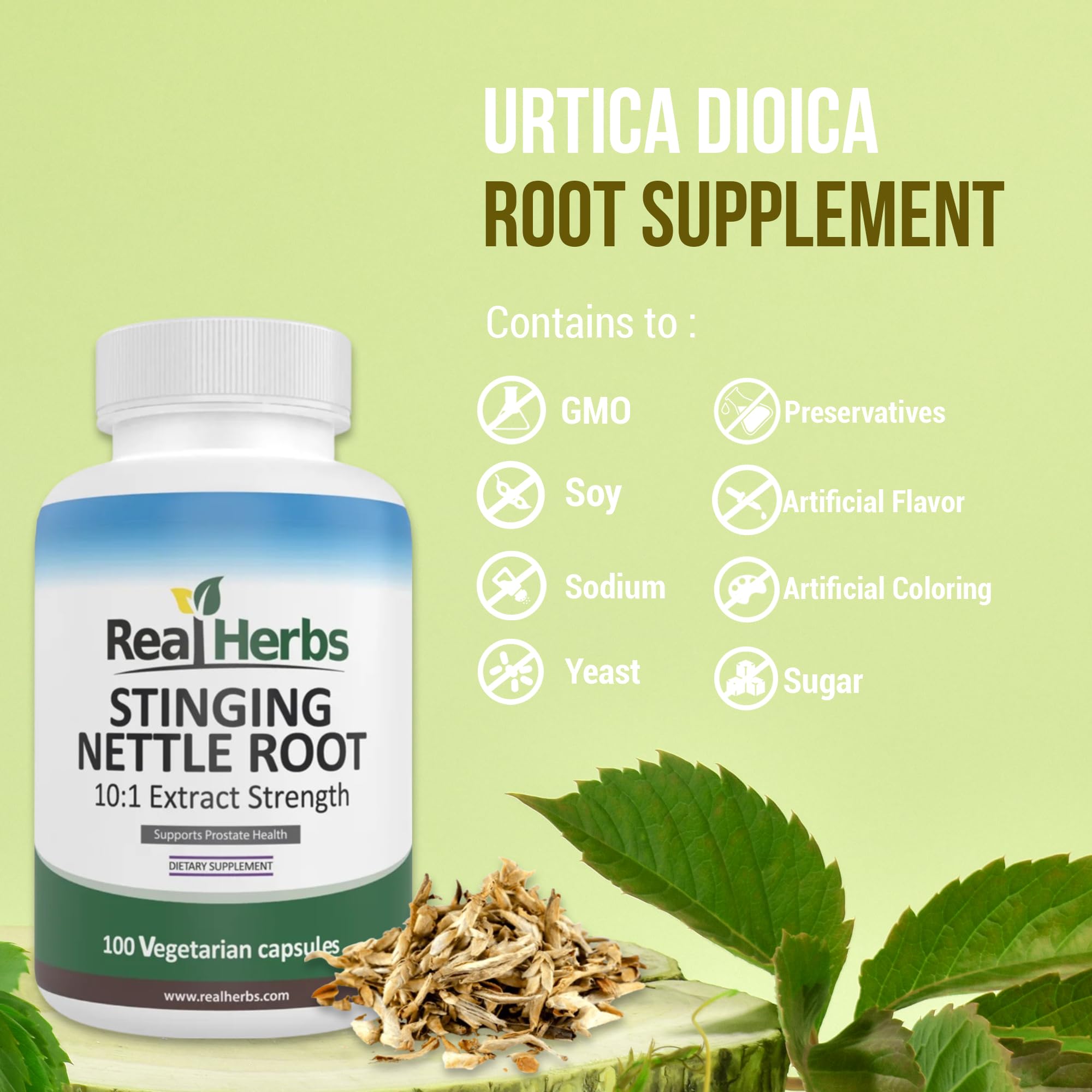
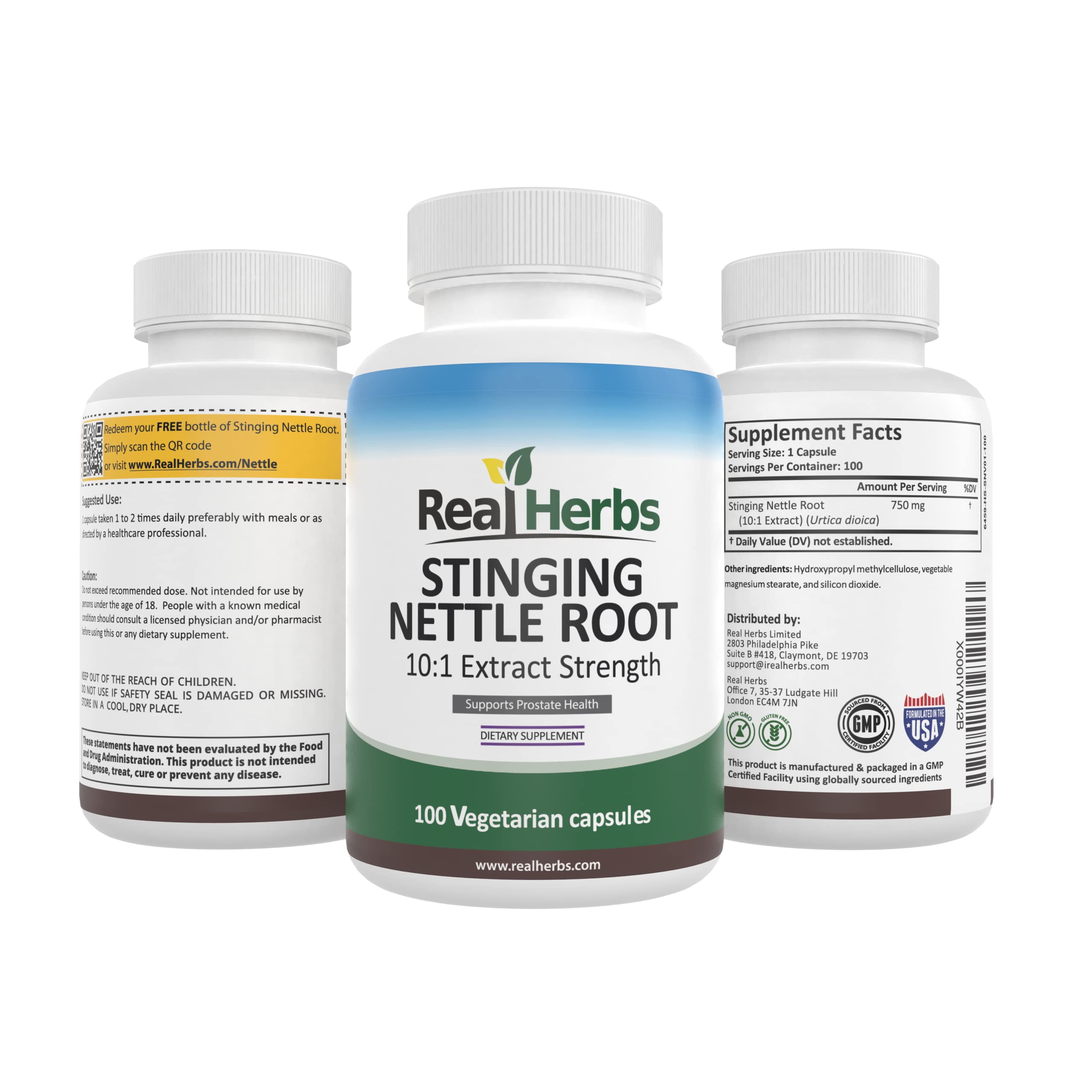
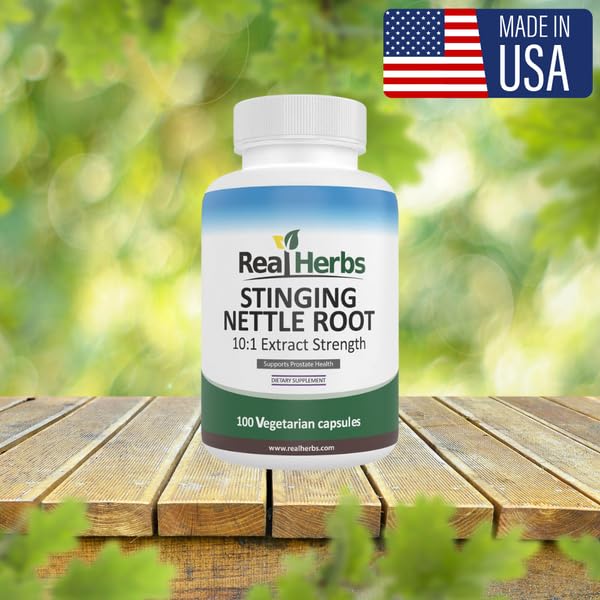
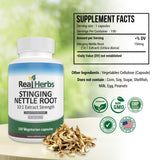
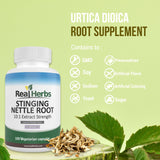
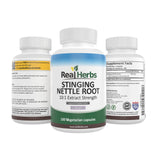
Real Herbs Stinging Nettle Root Extract delivers 750mg of 10:1 root extract per capsule. Suggested use: take 1-2 capsules daily with a meal, or as directed by your healthcare provider.
Shop Stinging Nettle Root Extract
Backed by our 30-Day Money-Back Guarantee.
Related Articles
- How Nettle Extract Supports Prostate Health
- Stinging Nettle Root: A Look at its Antioxidant and Nutrient Profile
Clinical References
- Tahri A, Yamani S, Legssyer A, Aziz M, Mekhfi H, Bnouham M, Ziyyat A. Acute diuretic, natriuretic and hypotensive effects of a continuous perfusion of aqueous extract of Urtica dioica in the rat. J Ethnopharmacol. 2000 Nov;73(1-2):95-100. PMID 11025144
- Taheri Y, Quispe C, Herrera-Bravo J, et al. Urtica dioica-Derived Phytochemicals for Pharmacological and Therapeutic Applications. Evid Based Complement Alternat Med. 2022 Feb 24;2022:4024331. PMID 35251206
- Chrubasik JE, Roufogalis BD, Wagner H, Chrubasik S. A comprehensive review on the stinging nettle effect and efficacy profiles. Part II: urticae radix. Phytomedicine. 2007 Aug;14(7-8):568-79. PMID 17509841
- Hirano T, Homma M, Oka K. Effects of stinging nettle root extracts and their steroidal components on the Na+,K+-ATPase of the benign prostatic hyperplasia. Planta Med. 1994 Feb;60(1):30-33. PMID 7510891
Disclaimer: The information provided in this article is for educational purposes only and is not intended as medical advice. Always consult with a qualified healthcare professional before making any decisions about your health or starting any new supplement regimen. These statements have not been evaluated by the Food and Drug Administration. This product is not intended to diagnose, treat, cure, or prevent any disease.
© 2026 Real Herbs. All rights reserved.