Stinging Nettle Root for Kidney and Urinary Tract Health
By Jessica Johnson, Herbal Science Researcher at Real Herbs | Updated: July 2026 | Reading time: 9 minutes

Key takeaway: Nettle root's clearest, most direct evidence for kidney and urinary health is its documented diuretic effect. Some of the more specific findings, like stone-formation prevention and nephroprotection against toxins, come from research using leaf extract rather than root. This is still genuinely useful evidence for the plant, just worth being precise about which part it applies to, especially if you have an existing kidney condition.
A Natural Ally for Renal and Urinary Function
Kidney and urinary tract health are essential to the body's waste-filtering and fluid-balance processes. When these systems are compromised, issues like urinary tract infections or kidney stones can follow. Stinging nettle root (Urtica dioica) has a long-standing traditional reputation for supporting renal and urinary function. This article covers the science behind that reputation, including where root and leaf evidence differ.
Mechanisms: How Nettle Supports Kidney Health
- Diuretic and natriuretic effects: Nettle root acts as a natural diuretic, increasing urine flow and helping the body eliminate waste products and excess fluid. This is the most directly root-relevant mechanism discussed in this article (see our dedicated guide, Martz & Kankaanpaa, 2025).
- Protection against stone formation (leaf-based evidence): An animal study found a nettle leaf methanol extract significantly reduced urinary calcium, oxalate, and creatinine levels, as well as kidney stone deposits (Zhang H, Li N, Li K, Li P. Mol Med Rep. 2014 Dec;10(6):3157-62. PMID 25310585). This is genuine, useful evidence for nettle as a plant, but it's specifically leaf-based.
- Anti-inflammatory and antioxidant properties (leaf-based evidence): Inflammation and oxidative stress can damage kidney tissue. Research on nettle leaf extract has found dose-dependent modulation of oxidative stress markers in an animal model (PMC11678458), offering a protective effect on renal tissue in that specific study.
- Nephroprotective effects against toxins (leaf-based evidence): In a study modeling cisplatin toxicity in tumor-bearing mice, a nettle methanolic extract was found to reduce kidney injury markers like blood urea nitrogen and creatinine, alongside hepatoprotective and antioxidant effects (Ziaee A, et al. Iran J Pharm Res. 2011 Summer;10(3):477-83. PMID 21939360).
Traditional use of nettle for urinary disorders is well-documented (Yarnell E. Botanical medicines for the urinary tract. World J Urol. 2002 Nov;20(5):285-93. PMID 12522584; PMID 35800714), and root's general safety profile is supported by broader research, including human trials in the related context of prostate health (PMID 16635963, PMC3589769).
An Honest Note on Root vs. Leaf
It's worth being direct: several of the more specific findings above, stone prevention, oxidative stress modulation, and cisplatin nephroprotection, come from leaf research, not root. Root's clearest, most directly relevant evidence here is its diuretic effect. Root shares many of leaf's general compound classes, which is a reasonable basis for expecting some overlap in benefit, but it hasn't been tested head-to-head against leaf for these specific kidney-protective uses.
Important Considerations and Precautions
- Not a substitute for medical treatment: Nettle root is a supportive herb, not a cure for kidney disease or other serious conditions. Use it as a complementary approach under medical guidance.
- Consult a healthcare professional: This is the most important step. If you have any form of kidney disease, kidney stones, or take medications, don't use stinging nettle without consulting a doctor or urologist first, to ensure it's safe for you and won't interfere with your treatment plan.
- Dosage and interactions: Be mindful of dosage and potential interactions. Nettle's diuretic effects can interact with pharmaceutical diuretics, and its influence on blood pressure and blood sugar may require adjusting other medication doses.
Frequently Asked Questions
Is nettle root's kidney research as strong as its prostate research?
Not quite. Root's prostate and BPH research base is deeper and more human-trial-focused. Its kidney-specific evidence relies more heavily on general diuretic activity, with several of the more specific protective findings coming from leaf research instead.
Can nettle root replace treatment for an existing kidney condition?
No. It's a supportive, complementary option at most, not a treatment for kidney disease, stones, or infections. Talk to a doctor before using it if you have any kidney condition.
Conclusion: A Reasonable Ally, With an Honest Caveat
Stinging nettle root offers real, if partial, support for kidney and urinary tract health, anchored mainly in its diuretic effect, with additional supporting research on the broader nettle plant that leans toward leaf extract for the more specific protective findings. Used thoughtfully, and with medical guidance for anyone with an existing kidney condition, it's a reasonable complementary consideration rather than a definitive treatment.
Support Urinary Health With Real Herbs Stinging Nettle Root
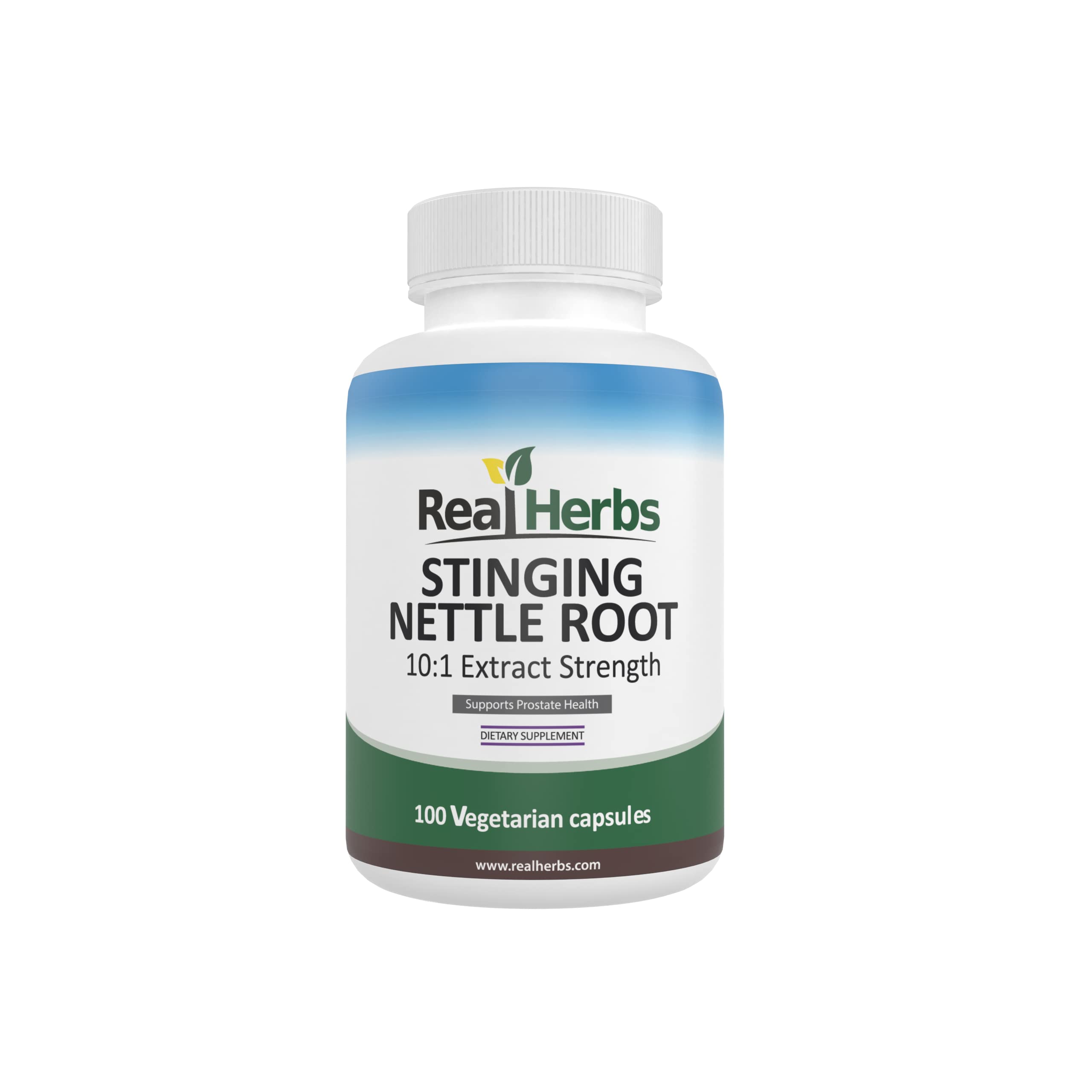
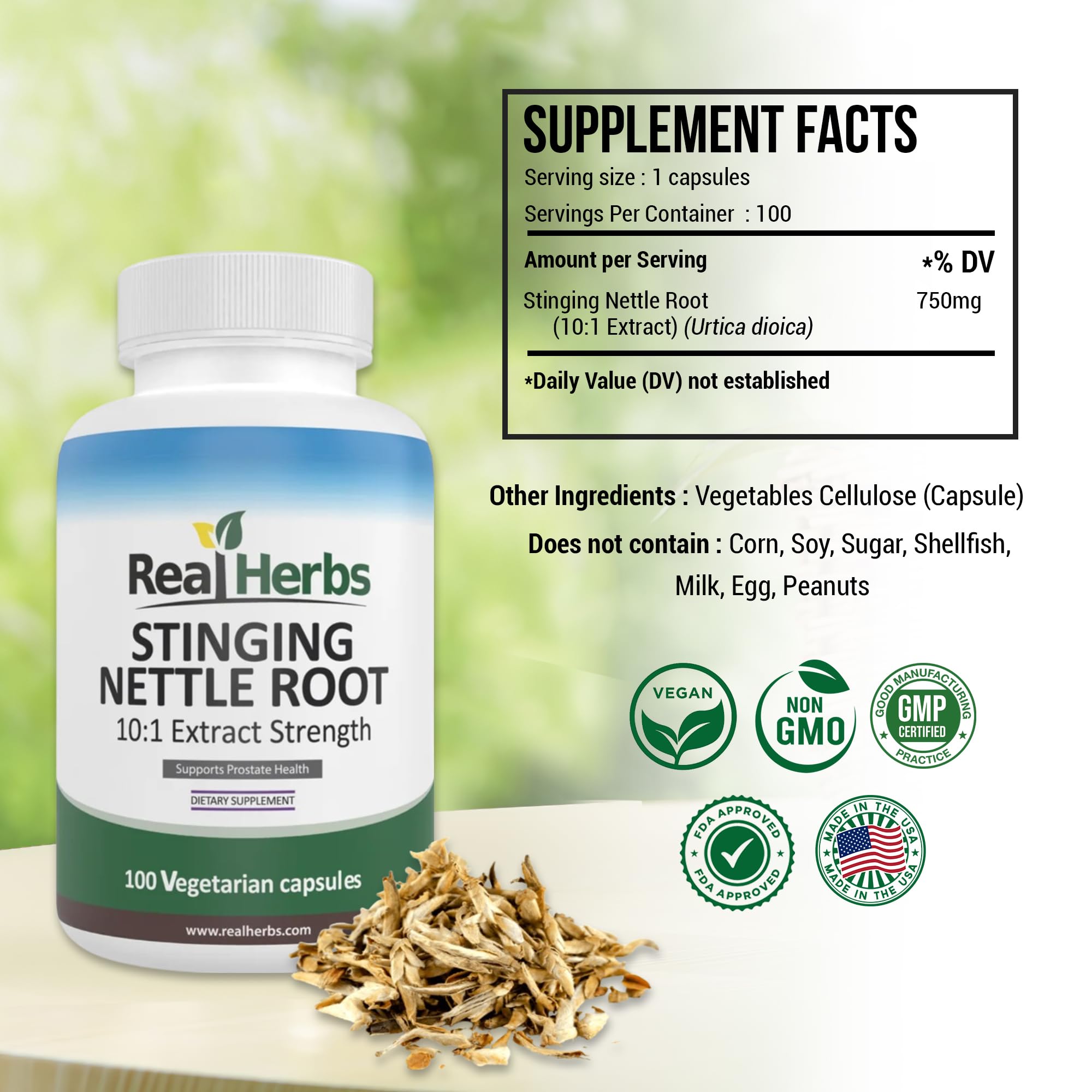
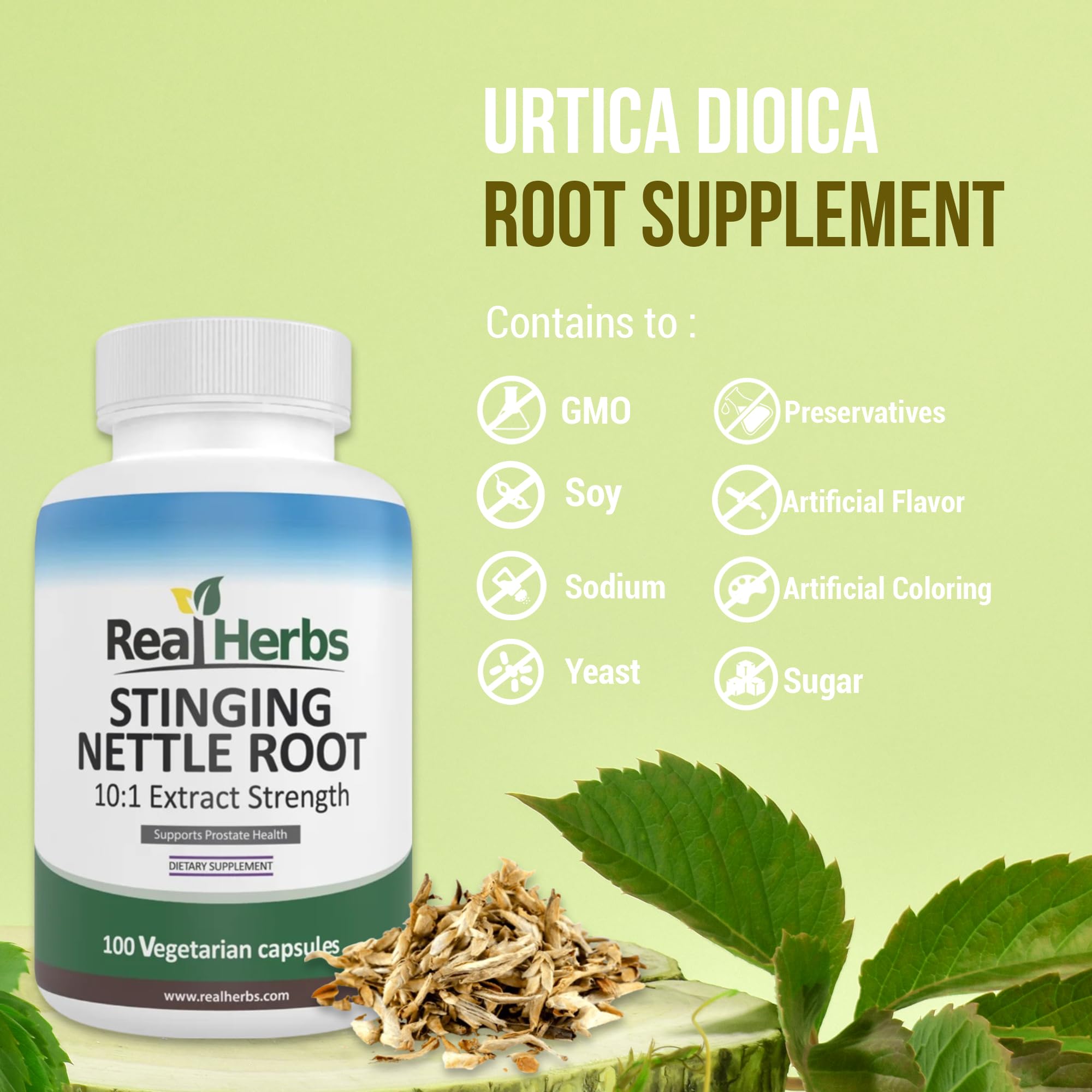
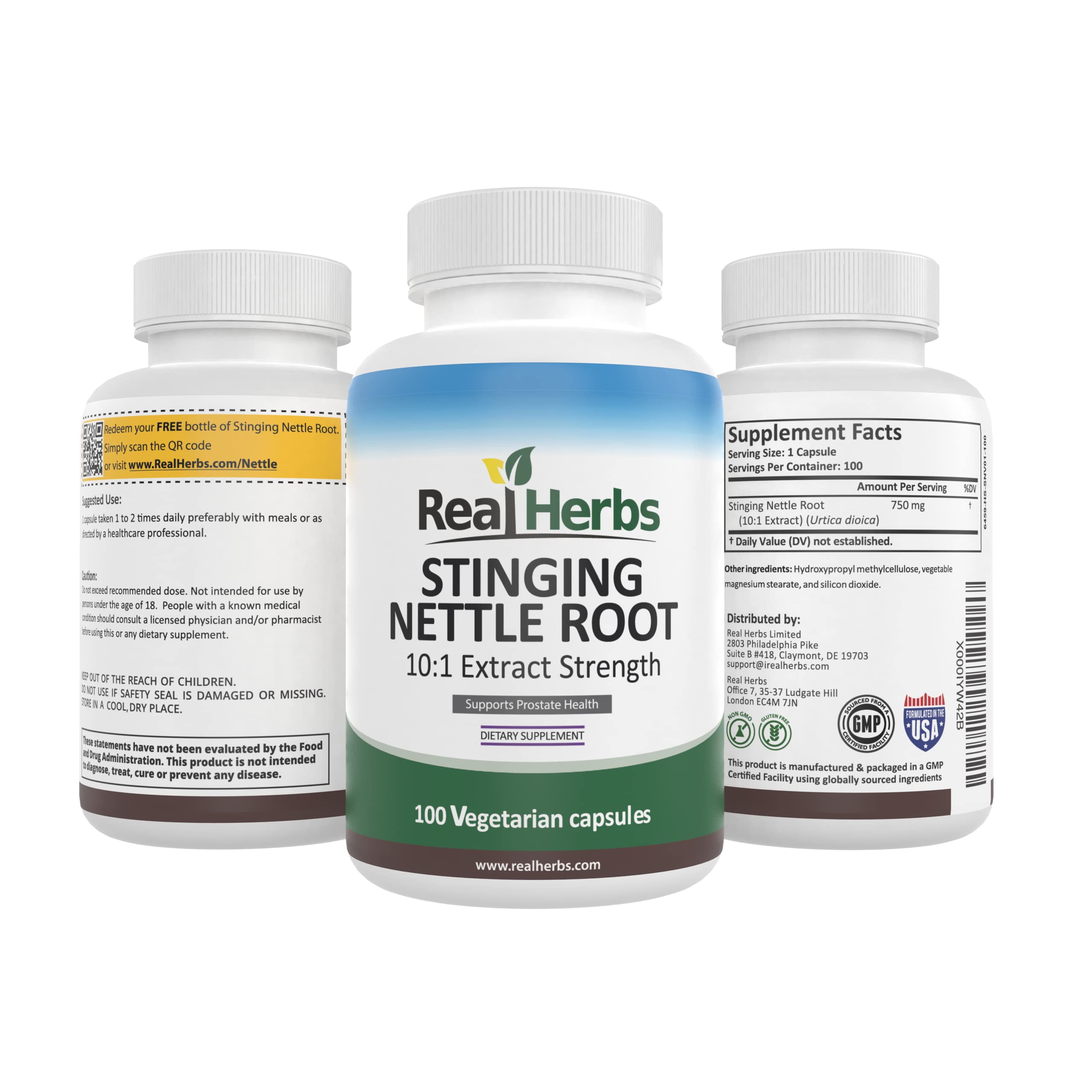
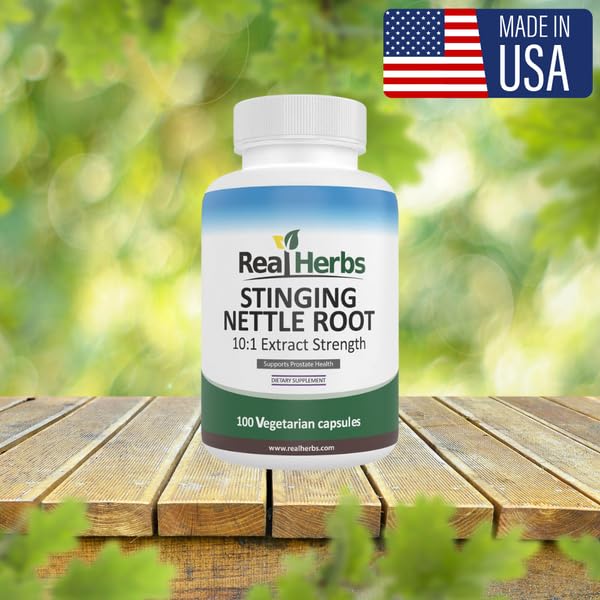
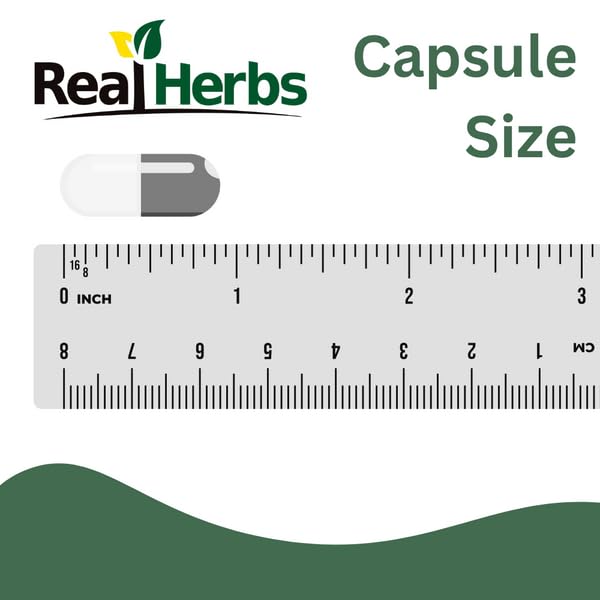
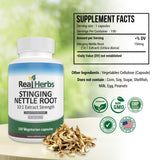
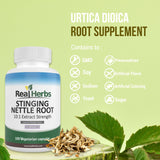
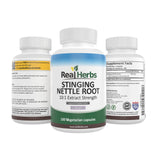
Real Herbs Stinging Nettle Root Extract delivers 750mg of 10:1 root extract per capsule. Suggested use: take 1-2 capsules daily with a meal, or as directed by your healthcare provider.
Shop Stinging Nettle Root Extract
Backed by our 30-Day Money-Back Guarantee.
Related Articles
- The Diuretic Properties of Stinging Nettle Root Explained
- Preventing Kidney Stones: The Role of Stinging Nettle Root
- How Nettle Extract Supports Prostate Health
Clinical References
- Zhang H, Li N, Li K, Li P. Protective effect of Urtica dioica methanol extract against experimentally induced urinary calculi in rats. Mol Med Rep. 2014 Dec;10(6):3157-62. PMID 25310585
- Ziaee A, et al. Ameliorative influence of Urtica dioica L against cisplatin-induced toxicity in mice bearing Ehrlich ascites carcinoma. Iran J Pharm Res. 2011 Summer;10(3):477-83. PMID 21939360
- Yarnell E. Botanical medicines for the urinary tract. World J Urol. 2002 Nov;20(5):285-93. PMID 12522584
- Safarinejad MR. Urtica dioica for treatment of benign prostatic hyperplasia: a prospective, randomized, double-blind, placebo-controlled, crossover study. J Herb Pharmacother. 2005;5(4):1-11. PMID 16635963
- Bhusal KK, Magar SK, Thapa R, et al. Nutritional and pharmacological importance of stinging nettle (Urtica dioica L.): A review. Heliyon. 2022 Jun 22;8(6):e09717. PMID 35800714
- Urtica dioica L. Leaf Extract Dose-Dependently Modulates Oxidative Stress in an Animal Model. PMC11678458
- Martz F, Kankaanpaa S. Stinging Nettle (Urtica dioica) Roots: The Power Underground - A Review. Plants (Basel). 2025 Jan 19;14(2):279. Link
- Ghorbanibirgani A, Khalili A, Zamani L. The Efficacy of Stinging Nettle (Urtica dioica) in Patients with Benign Prostatic Hyperplasia: A Randomized Double-Blind Study in 100 Patients. Iran Red Crescent Med J. 2013 Jan;15(1):9-10. PMC3589769
Disclaimer: The information provided in this article is for educational purposes only and is not intended as medical advice. Always consult with a qualified healthcare professional before making any decisions about your health or starting any new supplement regimen. These statements have not been evaluated by the Food and Drug Administration. This product is not intended to diagnose, treat, cure, or prevent any disease.
© 2026 Real Herbs. All rights reserved.