When Does Stinging Nettle Grow? Its Seasonal Growth Cycle
By Jessica Johnson, Herbal Science Researcher at Real Herbs | Updated: July 2026 | Reading time: 8 minutes

Key takeaway: Stinging nettle is a hardy perennial with a distinct seasonal rhythm: tender leaves emerge in early spring, the plant flowers through summer, and root compounds concentrate most in late summer through autumn, the traditional root-harvest window. Understanding this cycle explains why leaf and root products are typically harvested at different times of year.
Unlocking the Seasonal Rhythms of a Potent Herb
Stinging nettle (Urtica dioica) is celebrated for its health benefits, but understanding when it grows helps explain why different parts of the plant are harvested at different times, and why timing affects the concentration of its beneficial compounds.
Stinging Nettle: A Resilient Perennial
Stinging nettle is a herbaceous perennial, living for more than two years and typically regrowing from its rootstock each spring. This perennial nature contributes to its hardiness and widespread distribution across temperate zones. It thrives in nitrogen-rich soil, often in disturbed areas, woodlands, and along riverbanks.
The Annual Growth Cycle: From Spring Emergence to Winter Dormancy
Early Spring: Emergence and Tender Growth (March-May)
As soon as the ground thaws, stinging nettle is one of the first plants to emerge, with young, tender shoots and leaves sprouting quickly. This is generally considered the best time to harvest nettle leaves for culinary and nutritional use, since the compounds harvested at this stage vary meaningfully by month (PMID 33918181).
- Ideal for leaves: Young leaves are palatable and rich in vitamins, minerals, and antioxidants, with a study finding nettle harvested in April had the highest levels of soluble solids and certain minerals (phosphorus, potassium, iron, zinc), while May-harvested plants showed the highest antioxidant activity of the growing season (PMID 33918181).
- Rapid growth: The plant grows quickly during this phase, taking advantage of early-season moisture and nutrients.
Late Spring to Summer: Flowering and Maturation (June-September)
As spring transitions into summer, the plant grows taller and enters its reproductive phase.
- Flowering period: Stinging nettle typically flowers from May through September.
- Growth changes with maturity: Research on this dioecious plant found that plant maturity reduces vegetative growth, an effect seen in both reproductive and non-reproductive shoots (more so in reproductive ones), occurring similarly in both male and female plants (Onate M, Munne-Bosch S. Ann Bot. 2009 Oct;104(5):945-956. PMID 19664089). Leaves also become tougher and coarser, and the stinging hairs more potent, during this phase.
- Seed production: Following flowering, the plant produces seeds, ensuring propagation for the next season.
Late Summer to Autumn: Root Development and Dormancy Preparation (August-October)
As autumn approaches, the aerial parts begin to die back and the plant's energy shifts toward its root system, the period most relevant to root-specific products.
- Optimal root harvest: The traditional harvesting window for nettle root is August through October, or even into early winter, after the plant has senesced and redirected its energy to the roots. This timing is intended to maximize the concentration of beneficial root compounds like lignans and sterols.
- Preparation for winter: The plant stores nutrients in its roots to survive colder months.
Winter: Dormancy (November-February)
During winter, the aerial parts typically die back and the plant enters dormancy. The root system remains alive underground, awaiting warmer spring temperatures to regenerate.
Cultivation and Environmental Factors
Stinging nettle's adaptability and perennial nature make it a relatively sustainable plant to grow, thriving in nitrogen-rich soil across diverse habitats. Modern cultivation research has also explored hydroponic systems as an alternative to wild harvesting, aiming for more consistent quality and metabolite content, including work on floating hydroponic techniques for this typically wild-harvested species (Opacic N, Radman S, Fabek Uher S, Benko B, Voca S, Sic Zlabur J. Plants (Basel). 2022 Feb 11;11(4):483. PMID 35214816).
Frequently Asked Questions
Does the time of harvest actually affect the plant's nutrient content?
Yes, genuinely. Research tracking nettle leaves harvested monthly found real, measurable differences: April harvests were highest in certain minerals, May harvests showed peak antioxidant activity, and later months favored different compounds like ascorbic acid and phenolics. Timing isn't arbitrary.
Why is root traditionally harvested in autumn rather than spring?
The traditional reasoning is that as the plant's aerial growth dies back in autumn, its energy and stored compounds shift toward the root system, making that window the target for maximizing root-specific compound concentration.
Conclusion: Embracing Nettle's Seasonal Resilience
Stinging nettle's growth cycle, from early spring leaf emergence through summer flowering to autumn root concentration, reflects real, researched seasonal patterns that explain traditional harvesting practices for both leaf and root. Whether foraging, cultivating, or simply understanding the source of an herbal supplement, this seasonal rhythm offers useful context for how and when different parts of the plant are gathered.
Explore Real Herbs Stinging Nettle Root
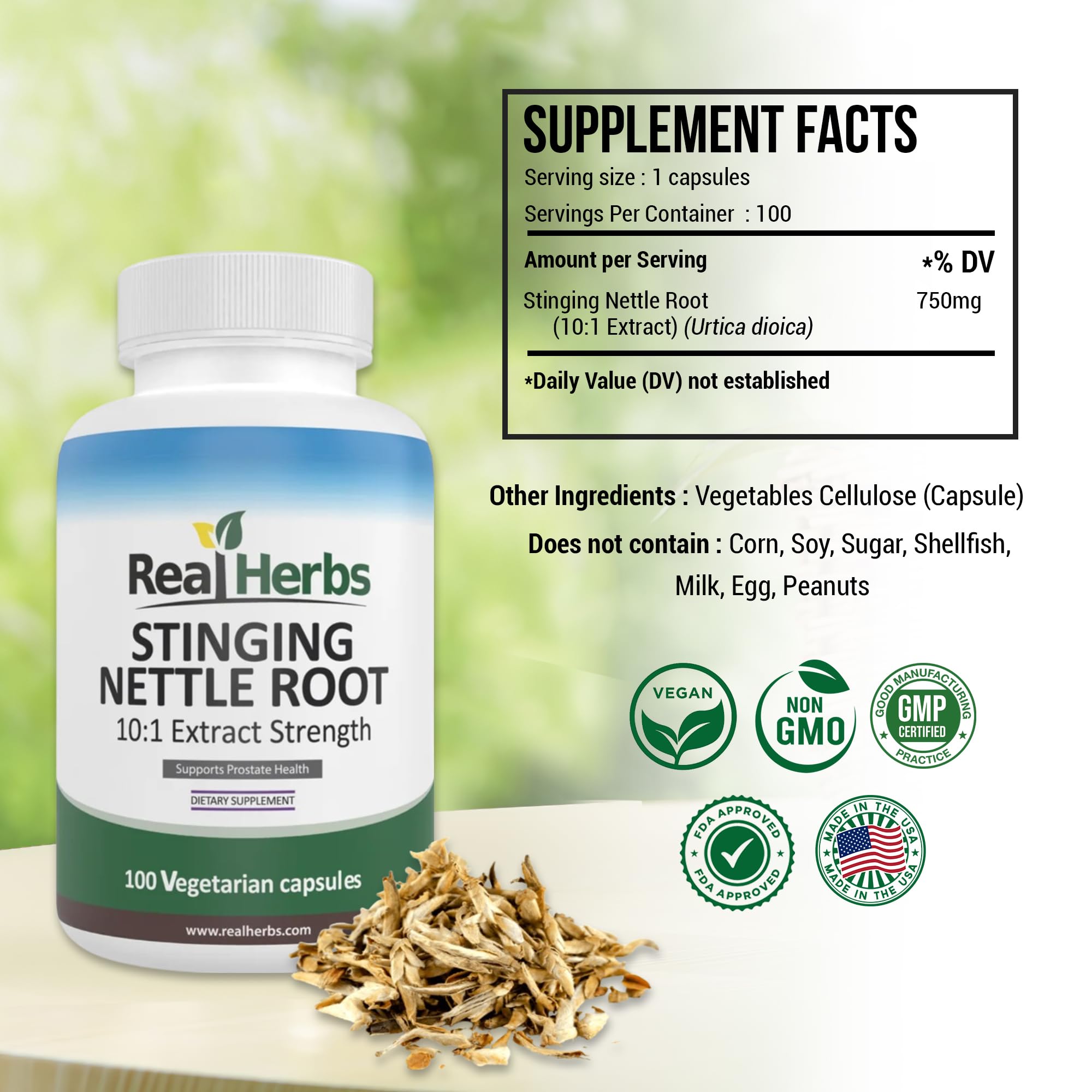
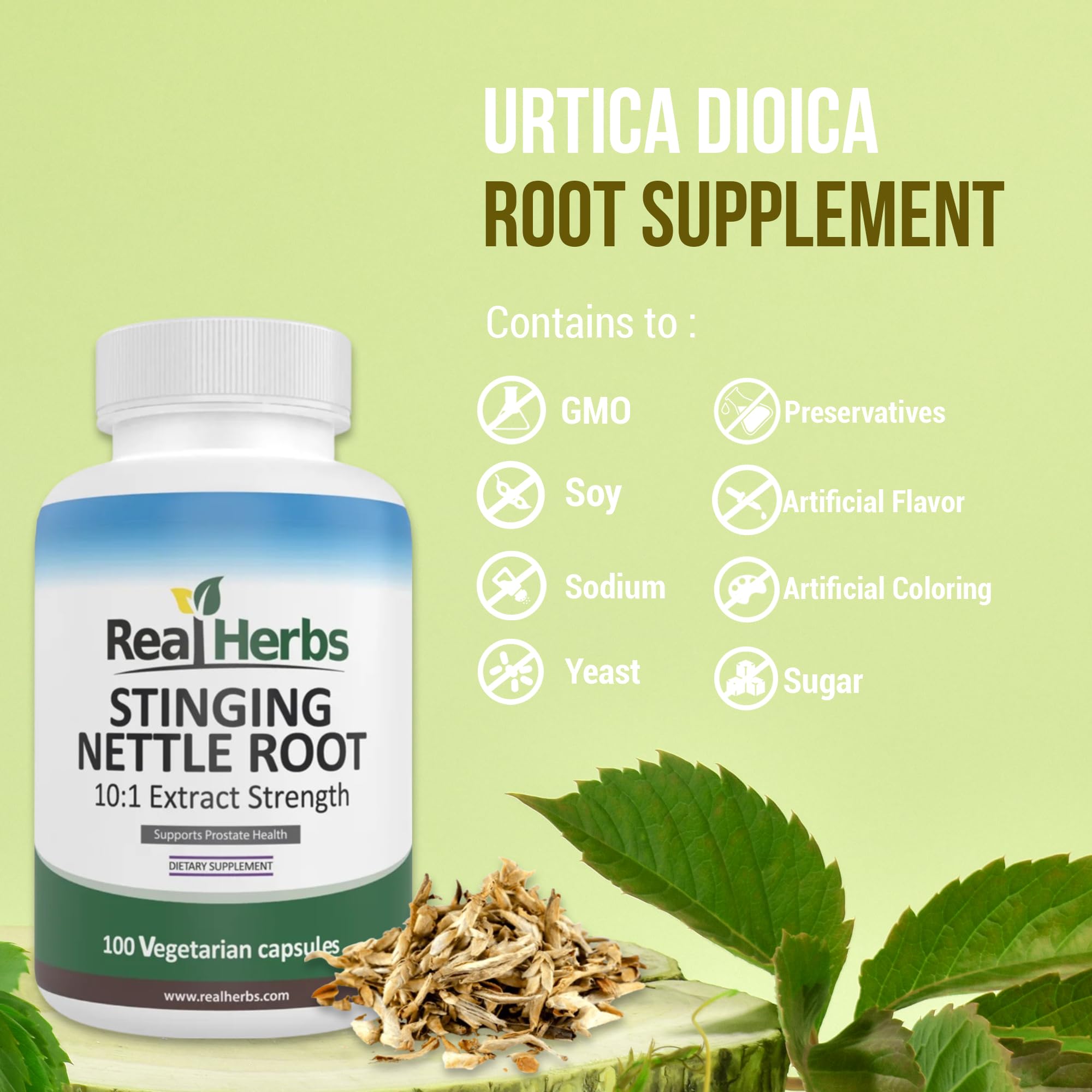
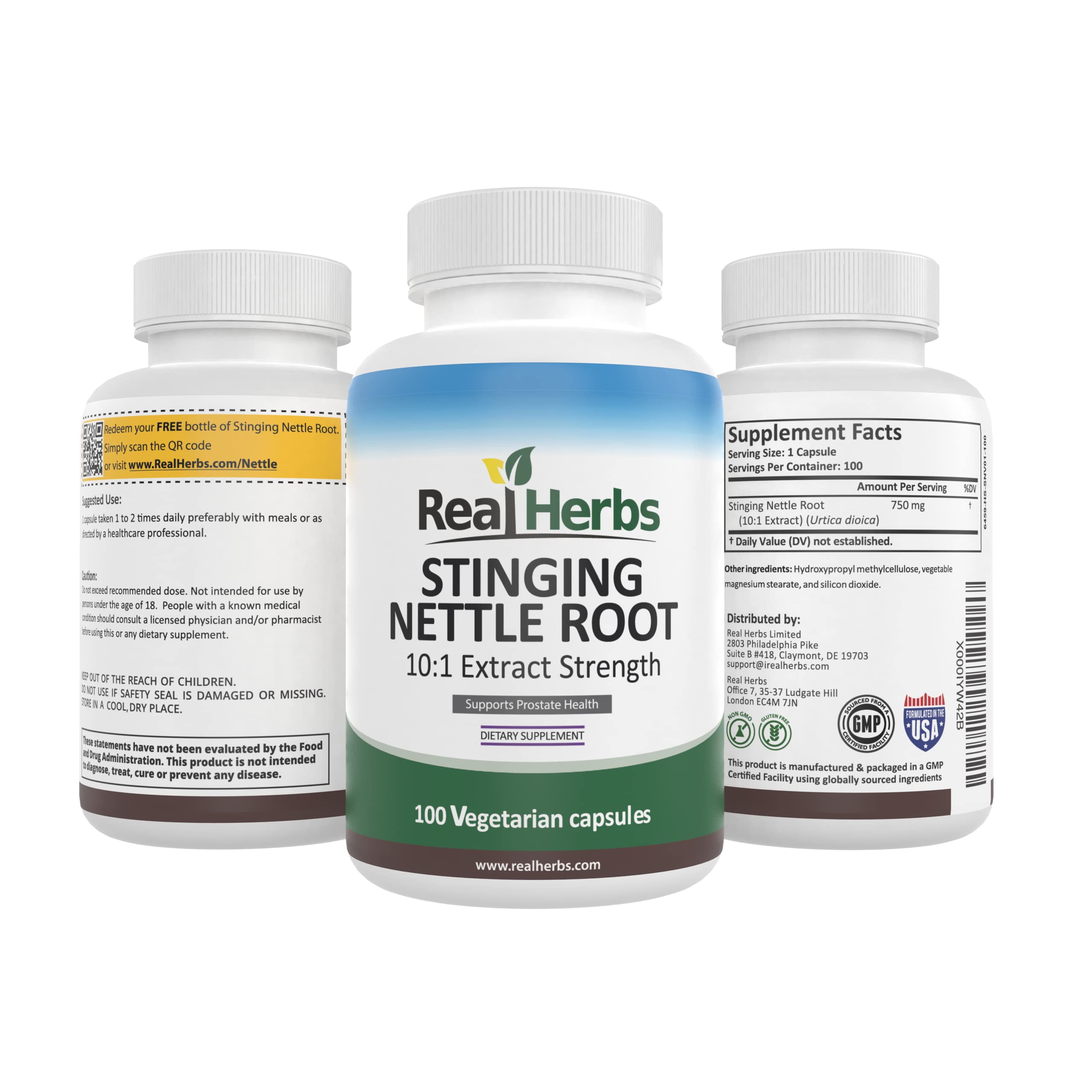
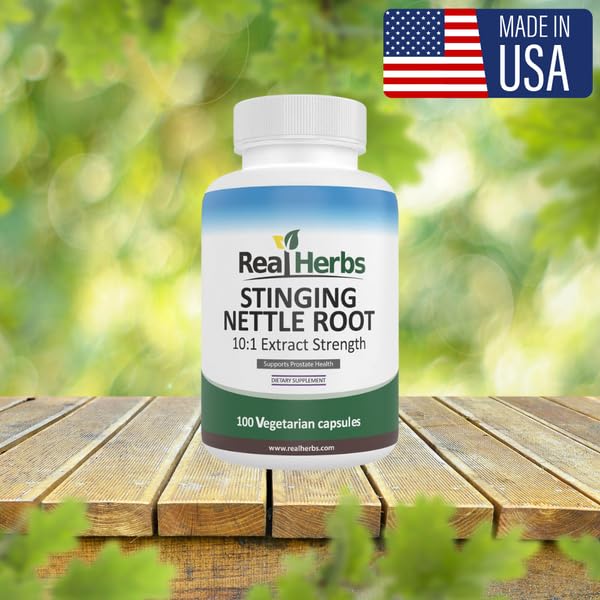
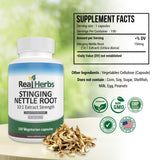
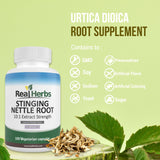
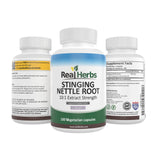
Real Herbs Stinging Nettle Root Extract delivers 750mg of 10:1 root extract per capsule, harvested and standardized for consistent quality. Suggested use: take 1-2 capsules daily with a meal, or as directed by your healthcare provider.
Shop Stinging Nettle Root Extract
Backed by our 30-Day Money-Back Guarantee.
Related Articles
- Stinging Nettle Root: A Look at its Antioxidant and Nutrient Profile
- What is Stinging Nettle Root? A Beginner's Guide to Its Benefits
Clinical References
- Paulauskiene A, Taraseviciene Z, Laukagalis V. Influence of Harvesting Time on the Chemical Composition of Wild Stinging Nettle (Urtica dioica L.). Plants (Basel). 2021 Apr 2;10(4):686. PMID 33918181
- Onate M, Munne-Bosch S. Influence of plant maturity, shoot reproduction and sex on vegetative growth in the dioecious plant Urtica dioica. Ann Bot. 2009 Oct;104(5):945-956. PMID 19664089
- Opacic N, Radman S, Fabek Uher S, Benko B, Voca S, Sic Zlabur J. Nettle Cultivation Practices-From Open Field to Modern Hydroponics: A Case Study of Specialized Metabolites. Plants (Basel). 2022 Feb 11;11(4):483. PMID 35214816
Disclaimer: The information provided in this article is for educational purposes only and is not intended as medical advice. Always consult with a qualified healthcare professional before making any decisions about your health or starting any new supplement regimen. These statements have not been evaluated by the Food and Drug Administration. This product is not intended to diagnose, treat, cure, or prevent any disease.
© 2026 Real Herbs. All rights reserved.