What Is Stinging Nettle Root? A Beginner's Guide
By Jessica Johnson, Herbal Science Researcher at Real Herbs | Updated: July 2026 | Reading time: 9 minutes

Key takeaway: Stinging nettle root has a distinct chemical profile from the leaf, rich in lignans and plant sterols, with a research base concentrated on prostate health and free testosterone support. This introductory guide covers what it is, what's actually in it, and how it's been studied.
Unveiling the Power of This Underground Herb
Stinging nettle (Urtica dioica) is widely known for its leaves, used in teas and culinary dishes, but the root has its own distinct set of compounds and traditional applications, particularly for men's health. This guide introduces stinging nettle root: what makes it different from the leaf, its key compounds, and its main scientifically-supported benefits.
Understanding Stinging Nettle Root
Stinging nettle is a perennial plant found worldwide. While the leaves are popular for nutrition and addressing seasonal allergies or joint discomfort, the root has a distinct profile and traditional uses. Roots are typically harvested in autumn or early spring, when their beneficial compounds are most concentrated (PMID 36679022).
Key Bioactive Compounds
Nettle root's therapeutic effects come from a chemical profile that differs meaningfully from the leaf (PMID 36679022). Key compounds include:
- Lignans: Central to many of the root's benefits, particularly its influence on sex hormones.
- Plant sterols (such as beta-sitosterol): Well-documented for their role in supporting prostate health.
- Polysaccharides, lectins, and scopoletin: Additional compounds contributing to the root's overall pharmacological activity (PMID 36014458).
Primary Benefits of Stinging Nettle Root
1. Prostate Health Support (Benign Prostatic Hyperplasia)
One of the most well-documented uses of nettle root is supporting prostate health, particularly for men experiencing symptoms of benign prostatic hyperplasia (BPH): frequent urination, weak urine flow, and difficulty emptying the bladder.
- Mechanism: Nettle root's effects on BPH work through several mechanisms, including inhibiting prostate cell growth, specifically demonstrated as an antiproliferative effect on epithelial (LNCaP) prostate cells in vitro, with stromal cell growth not significantly affected in the same study (PMID 10705733). It also influences sex hormone-binding globulin (SHBG) and has anti-inflammatory properties within the prostate (PMID 17509841), and affects Na+,K+-ATPase, an enzyme relevant to prostate cell function (PMID 7510891).
- Evidence: Clinical trials and comprehensive reviews support nettle root extract's efficacy and safety for BPH symptoms (PMID 11276294, PMID 16635963, PMID 15045190). Animal models have also shown inhibiting effects on experimentally induced prostatic hyperplasia (PMID 9270373).
2. Support for Healthy Testosterone Levels
Beyond its direct prostate effects, nettle root also plays a role in testosterone bioavailability.
- Mechanism: Lignans in nettle root bind to SHBG, potentially reducing the amount of testosterone bound to it and increasing "free" (bioavailable) testosterone, the active form the body can readily use (PMID 17509841, PMID 7700987).
3. Anti-Inflammatory Properties
Beyond prostate and hormonal effects, nettle root has general anti-inflammatory properties relevant to broader wellness (PMID 17509841).
- Broader health impact: These effects can indirectly support joint comfort and general systemic wellness, though direct studies on root specifically for general inflammation are less common than for its BPH-specific applications.
How to Use Stinging Nettle Root
- Extracts (capsules/tinctures): The most common, recommended form, ensuring a consistent concentration of active compounds.
- Dosage: Clinical trials on nettle root have generally used doses in the 300-600mg range daily for prostate and hormonal support. Always follow your product's specific label instructions, since concentrations vary.
- Consistency: For chronic conditions, consistent daily intake matters more than occasional use for achieving benefits.
Safety and Side Effects
Stinging nettle root is generally considered safe at recommended dosages, though it can have mild side effects and interactions.
- Common mild side effects: Mild gastrointestinal upset or a mild diuretic effect, often subsiding with continued use or when taken with food.
- Drug interactions: May interact with blood thinners (due to vitamin K content), blood pressure medications, and diabetes medications. Consult your healthcare provider if you take any of these.
- Specific populations: Pregnant or breastfeeding women, children, and those with kidney disease or allergies to related plants should consult a doctor before use.
Frequently Asked Questions
What's the difference between nettle root and nettle leaf?
They have distinct chemical profiles and different research bases. Root is concentrated in lignans and plant sterols, with research focused on prostate and hormonal health. Leaf is better known for its nutritional value, antioxidants, and research on allergies and blood sugar. Both are valuable, but for different purposes.
How long before I notice benefits?
Based on the clinical trials, expect gradual improvement over weeks to months of consistent use rather than an immediate effect.
Conclusion: A Distinct, Well-Researched Root
Stinging nettle root offers benefits distinct from the leaf, primarily for men's prostate health and testosterone support. Its lignans, plant sterols, and anti-inflammatory properties make it a well-researched option for a holistic wellness routine. Understanding what makes root different from leaf helps you choose the right form for your specific goals.
Ready to Experience the Benefits of Stinging Nettle Root?
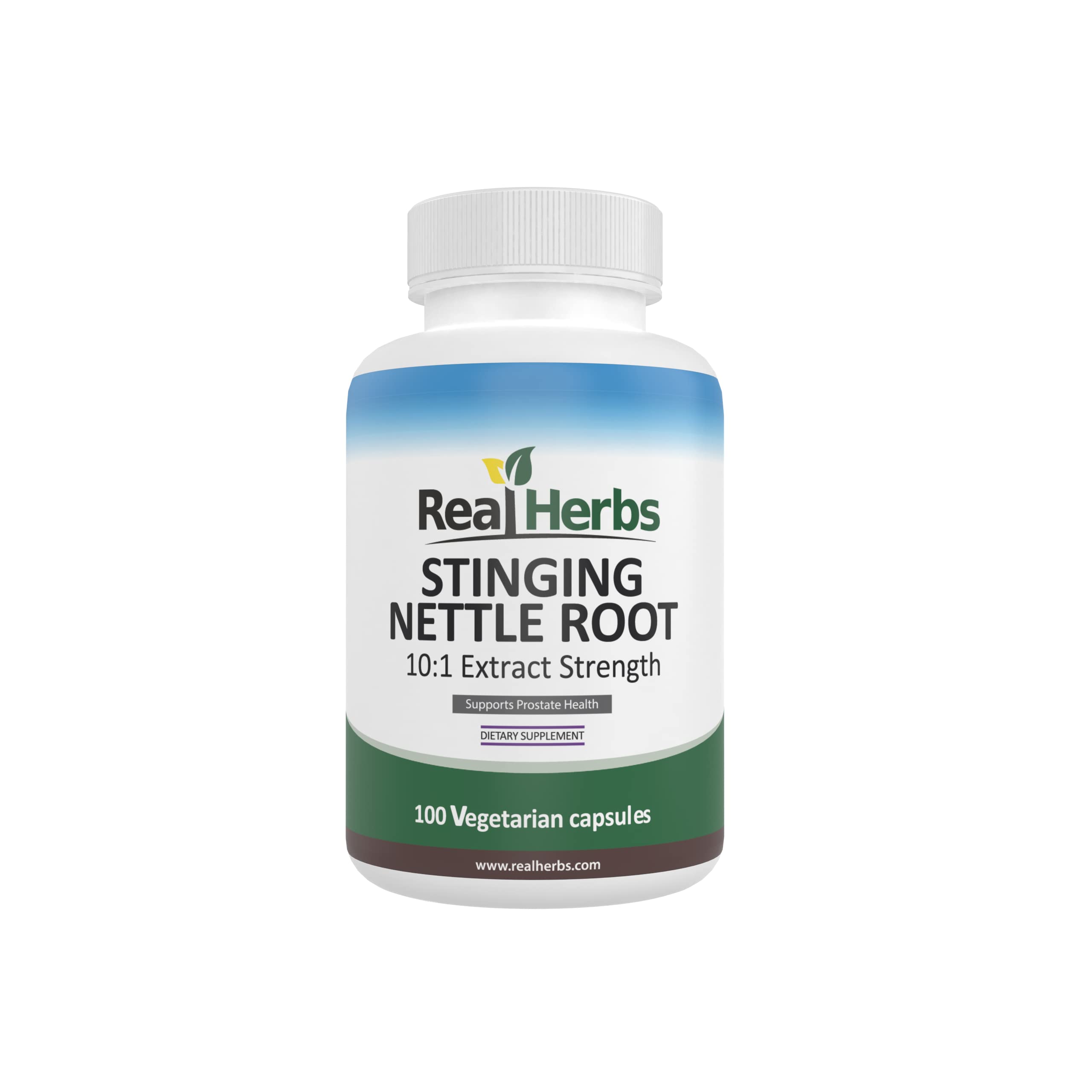
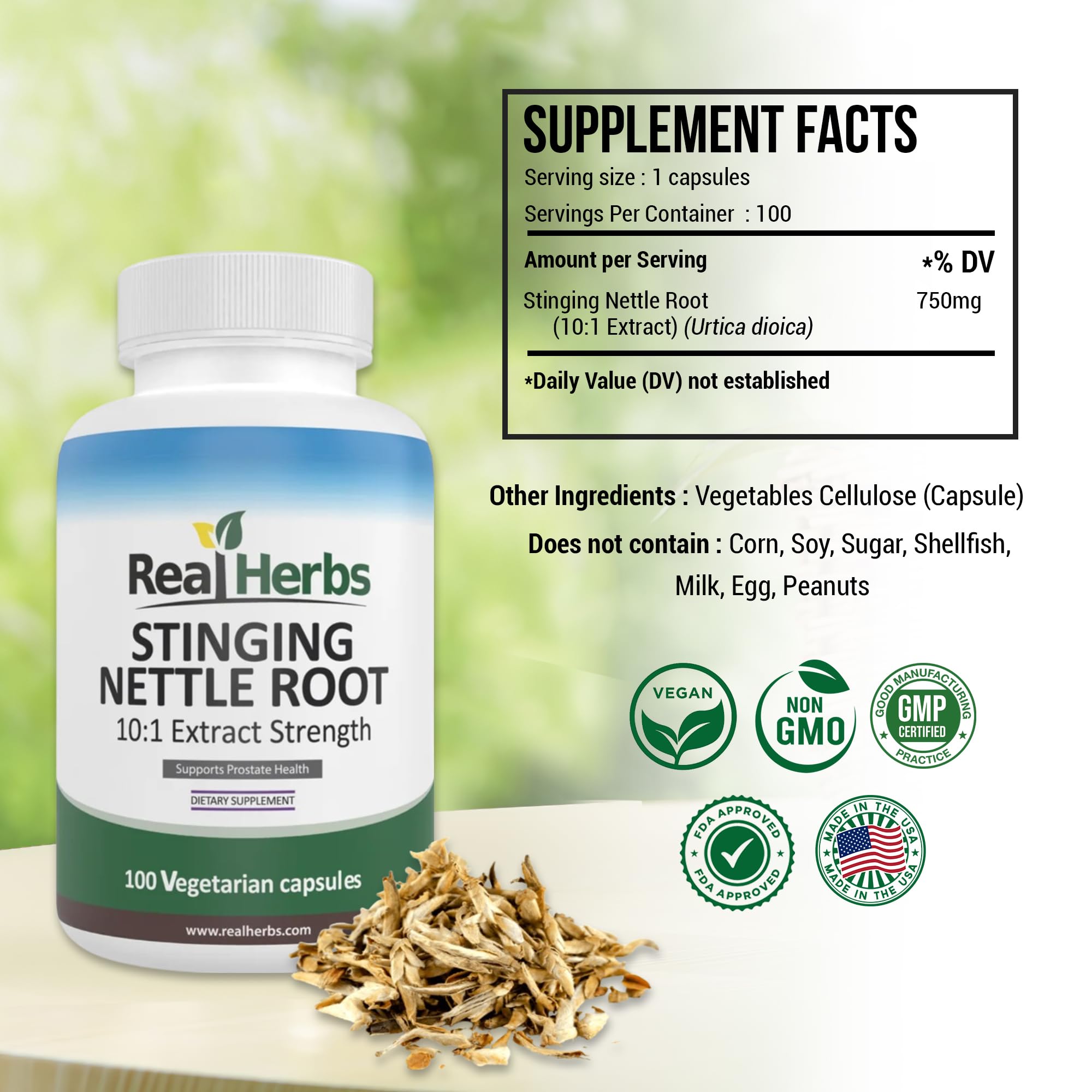
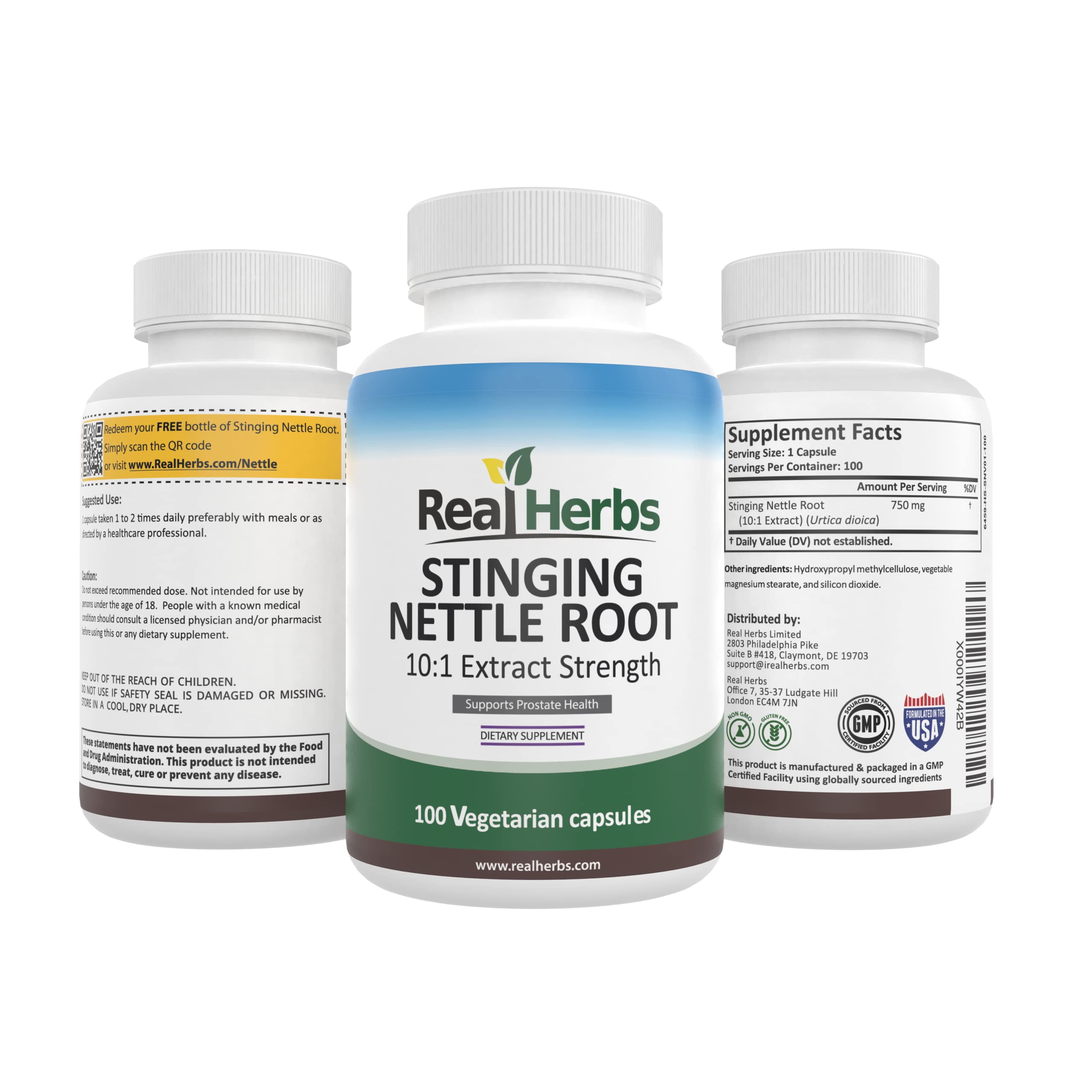
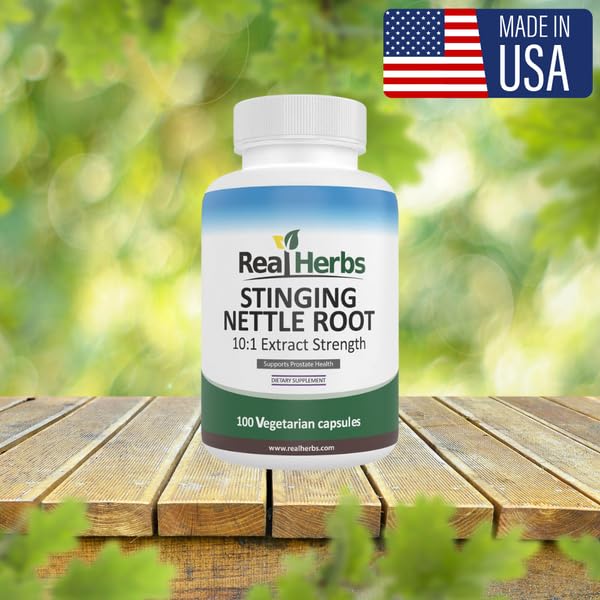
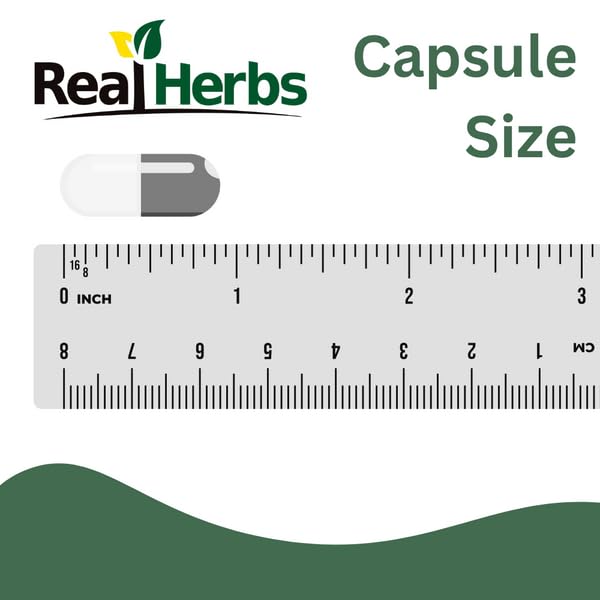
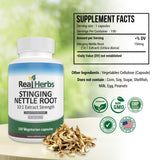
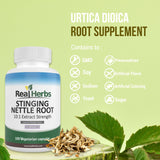
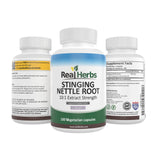
Real Herbs Stinging Nettle Root Extract delivers 750mg of 10:1 root extract per capsule. Suggested use: take 1-2 capsules daily with a meal, or as directed by your healthcare provider.
Shop Stinging Nettle Root Extract
Backed by our 30-Day Money-Back Guarantee.
Related Articles
- How Nettle Extract Supports Prostate Health
- The Science of Stinging Nettle Root and "Free" Testosterone
Clinical References
- Chrubasik JE, Roufogalis BD, Wagner H, Chrubasik S. A comprehensive review on the stinging nettle effect and efficacy profiles. Part II: urticae radix. Phytomedicine. 2007 Aug;14(7-8):568-79. PMID 17509841
- Konrad L, Muller HH, Lenz C, Laubinger H, Aumuller G, Lichius JJ. Antiproliferative effect on human prostate cancer cells by a stinging nettle root (Urtica dioica) extract. Planta Med. 2000 Feb;66(1):44-7. PMID 10705733
- Hryb DJ, Khan MS, Romas NA, Rosner W. The effect of extracts of the roots of the stinging nettle (Urtica dioica) on the interaction of SHBG with its receptor on human prostatic membranes. Planta Med. 1995 Feb;61(1):31-2. PMID 7700987
- Hirano T, Homma M, Oka K. Effects of stinging nettle root extracts and their steroidal components on the Na+,K+-ATPase of the benign prostatic hyperplasia. Planta Med. 1994 Feb;60(1):30-3. PMID 7510891
- Lichius JJ, Muth C. The inhibiting effects of Urtica dioica root extracts on experimentally induced prostatic hyperplasia in the mouse. Planta Med. 1997 Aug;63(4):307-10. PMID 9270373
- Wilt TJ, Ishani A, Rutks I, MacDonald R. Phytotherapy for benign prostatic hyperplasia. Public Health Nutr. 2000;3(4A):459-72. PMID 11276294
- Safarinejad MR. Urtica dioica for treatment of benign prostatic hyperplasia: a prospective, randomized, double-blind, placebo-controlled, crossover study. J Herb Pharmacother. 2005;5(4):1-11. PMID 16635963
- Schneider T, Rubben H. Stinging nettle root extract (Bazoton-uno) in long term treatment of benign prostatic syndrome (BPS). Results of a randomized, double-blind, placebo controlled multicenter study after 12 months. Urologe A. 2004 Mar;43(3):302-6. PMID 15045190
- Devkota HP, Paudel KR, Khanal S, et al. Stinging Nettle (Urtica dioica L.): Nutritional Composition, Bioactive Compounds, and Food Functional Properties. Molecules. 2022 Aug 16;27(16):5219. PMID 36014458
- Tarasevičienė Ž, Vitkauskaitė M, Paulauskienė A, Černiauskienė J. Wild Stinging Nettle (Urtica dioica L.) Leaves and Roots Chemical Composition and Antioxidant Activity. Plants (Basel). 2023 Jan 9;12(2):309. PMID 36679022
Disclaimer: The information provided in this article is for educational purposes only and is not intended as medical advice. Always consult with a qualified healthcare professional before making any decisions about your health or starting any new supplement regimen. These statements have not been evaluated by the Food and Drug Administration. This product is not intended to diagnose, treat, cure, or prevent any disease.
© 2026 Real Herbs. All rights reserved.