Stinging Nettle Root and Blood Sugar Regulation
By Jessica Johnson, Herbal Science Researcher at Real Herbs | Updated: July 2026 | Reading time: 9 minutes

Key takeaway: There's genuinely solid research on nettle and blood sugar, including a meta-analysis of 13 clinical trials showing a real effect on glycemic markers in type 2 diabetes. It's worth knowing that most of the direct human evidence used leaf extract specifically, not root. Because nettle can genuinely lower blood sugar, medical supervision matters here, especially if you take diabetes medication.
Understanding Blood Sugar and Diabetes
Stable blood sugar is a cornerstone of overall health, especially for people with diabetes. Stinging nettle (Urtica dioica) has a long history of traditional use and is genuinely studied for a potential role in blood sugar regulation, more so than many herbal ingredients.
This article covers the mechanisms behind nettle's effects on blood sugar, what the research actually shows (including an important root-versus-leaf distinction), and the real safety considerations for using it alongside diabetes management.
Mechanisms of Action: How Nettle May Affect Blood Sugar
Several mechanisms have been proposed, generally attributed to nettle's flavonoids, polysaccharides, and other phytochemicals.
- Stimulation of insulin secretion: Animal research has explored nettle's potential to support insulin-producing pancreatic cells, with one study finding a nettle root distillate supported pancreatic beta-cell recovery in diabetic rats (Gohari A, Noorafshan A, Akmali M, Zamani-Garmsiri F, Seghatoleslam A. Iran J Med Sci. 2018;43(2):174-183).
- Inhibition of glucose absorption: Compounds in nettle leaf have shown enzyme-inhibiting activity relevant to carbohydrate digestion in laboratory research, potentially slowing the rise in blood sugar after meals (PMID 36558005).
- Anti-inflammatory and antioxidant effects: Chronic inflammation and oxidative stress contribute to insulin resistance. Nettle's documented anti-inflammatory and antioxidant properties are relevant background here (PMID 31163183).
- Improved insulin sensitivity: Human trials have investigated nettle's effect on insulin sensitivity markers directly in people with type 2 diabetes.
Scientific Evidence: An Important Root-vs-Leaf Distinction
It's worth being precise here, since this article is about a root product, but the most direct human evidence centers on leaf extract specifically.
- Meta-analysis: A systematic review and meta-analysis pooling 13 clinical trials found nettle supplementation had a significant effect on fasting blood glucose in people with type 2 diabetes (PMID 31802554). This is a genuinely strong piece of evidence, though the included trials used a range of preparations, not root specifically.
- Leaf-specific clinical trial: A randomized, double-blind, placebo-controlled trial using nettle leaf extract in 92 patients with advanced type 2 diabetes found reductions in fasting glucose, postprandial glucose, and HbA1c compared to placebo (PMID 24273930).
- Another human trial: A separate randomized, double-blind trial found hydroalcoholic nettle extract improved insulin sensitivity and some inflammatory markers in people with type 2 diabetes (PMID 22303583).
- Animal research on root specifically: The pancreatic beta-cell study mentioned above did use a root-derived preparation (a traditional distillate), making it one of the more directly root-relevant pieces of evidence here, though it's an animal study, not a human trial.
The honest summary: nettle as a plant has real, meaningful evidence for blood sugar effects, but the strongest human evidence specifically used leaf extract. Root shares many of the same general compound classes and has its own supporting animal research, but hasn't been tested head-to-head against leaf for this specific use in humans.
Safety and Usage for Blood Sugar Management
For anyone with diabetes, using nettle requires real caution, not just a disclaimer.
- Medical consultation is essential: Nettle can genuinely lower blood sugar. Combining it with prescribed diabetes medications, including insulin or oral hypoglycemics, could cause blood sugar to drop too low (hypoglycemia). Talk to your doctor or endocrinologist before use.
- Monitor blood sugar closely: If you and your doctor decide to use nettle, be prepared to monitor blood sugar closely. Your medication dosage may need adjustment under medical supervision.
- Dosage and form: Follow the dosage recommended by your doctor or the product label rather than the doses used in specific trials, since those varied by preparation and study.
Frequently Asked Questions
Should I choose leaf or root if blood sugar is my main goal?
If matching the clinical trial evidence as closely as possible is your priority, leaf extract has more direct human trial support for this specific use. Root has its own supporting evidence and shares related compounds, but hasn't been tested as extensively for blood sugar specifically.
Can I stop my diabetes medication if nettle works well for me?
No. Never stop or adjust a prescribed diabetes medication without your doctor's guidance, even if a supplement seems to be helping. Uncontrolled changes to diabetes management can be dangerous.
Conclusion: A Promising, Leaf-Leaning Body of Evidence
The evidence for nettle and blood sugar regulation is genuinely more substantial than for many herbal ingredients, anchored by a real meta-analysis and multiple human trials. For a root-specific product, it's worth knowing that most of the strongest human evidence used leaf extract, while root has its own, more limited supporting research. Either way, given nettle's real, documented blood-sugar-lowering effect, this is an area where professional medical guidance matters more than most.
Explore Real Herbs Stinging Nettle Root
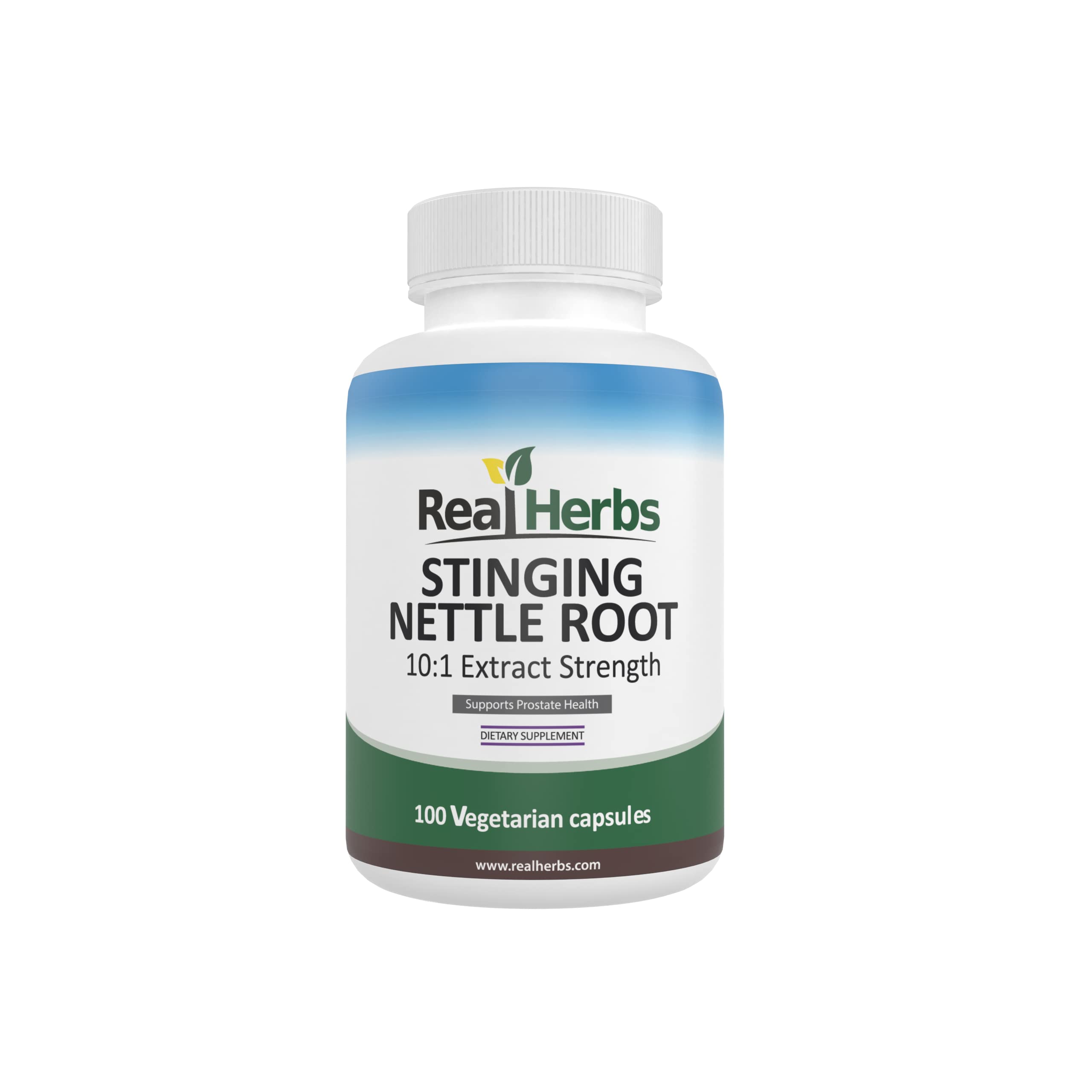
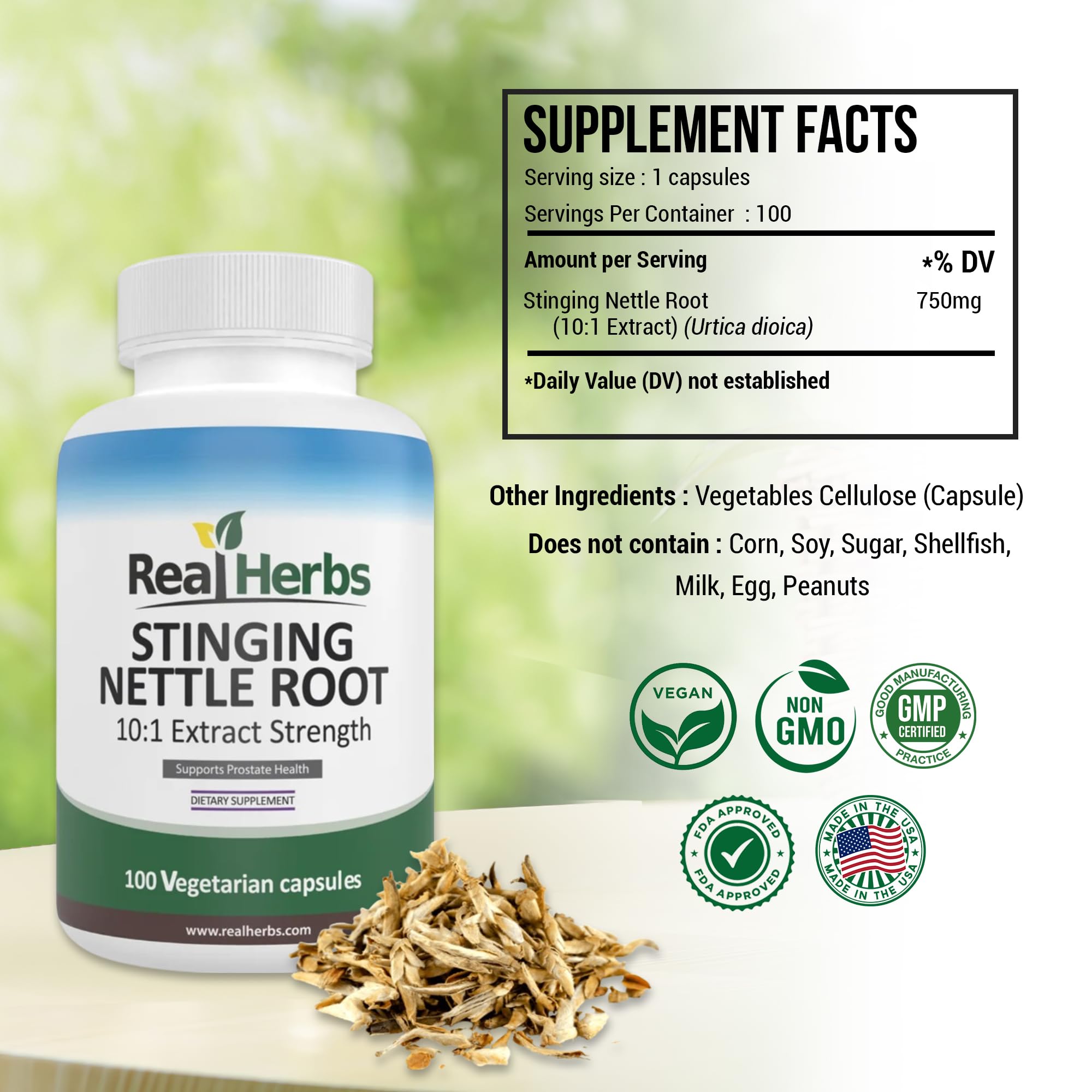
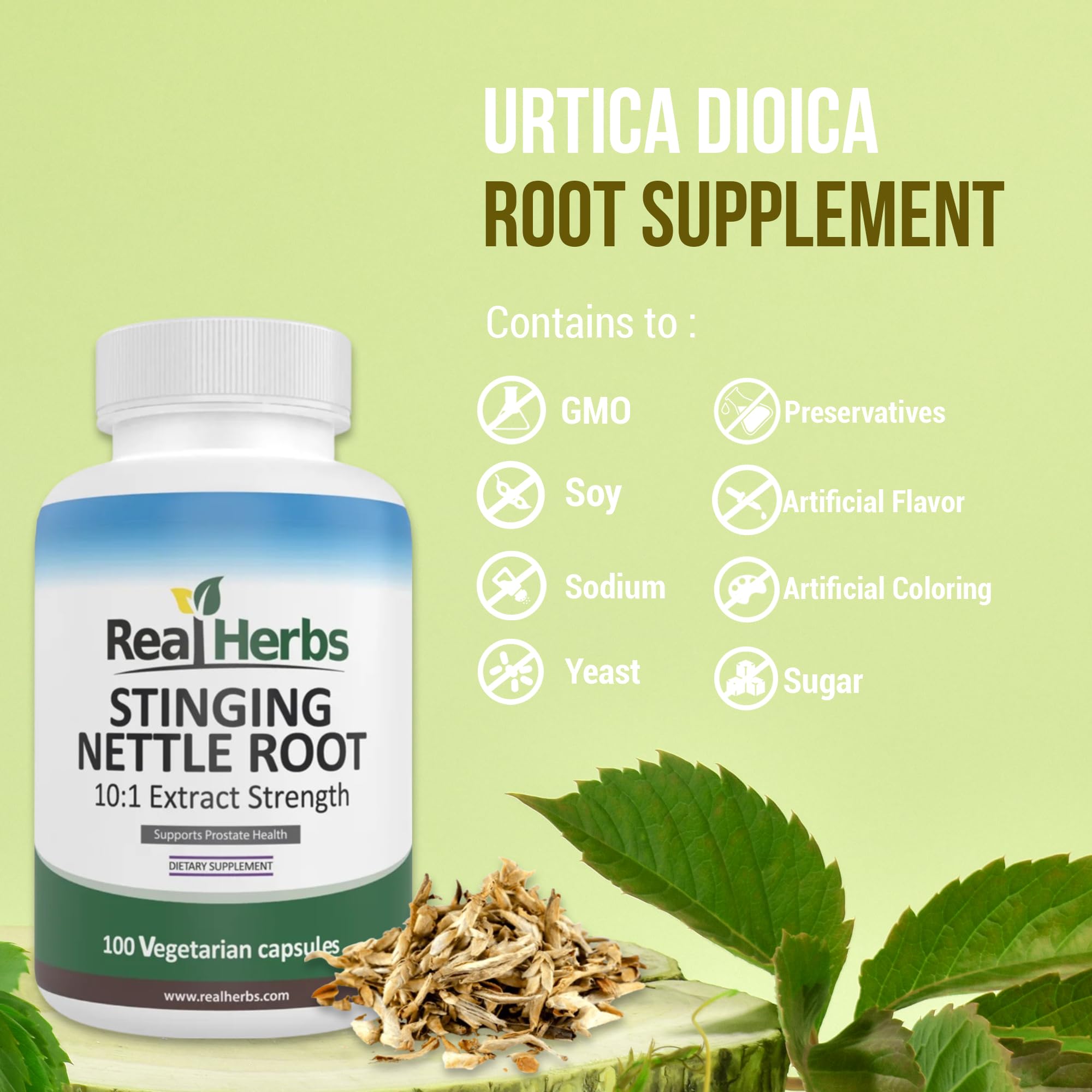
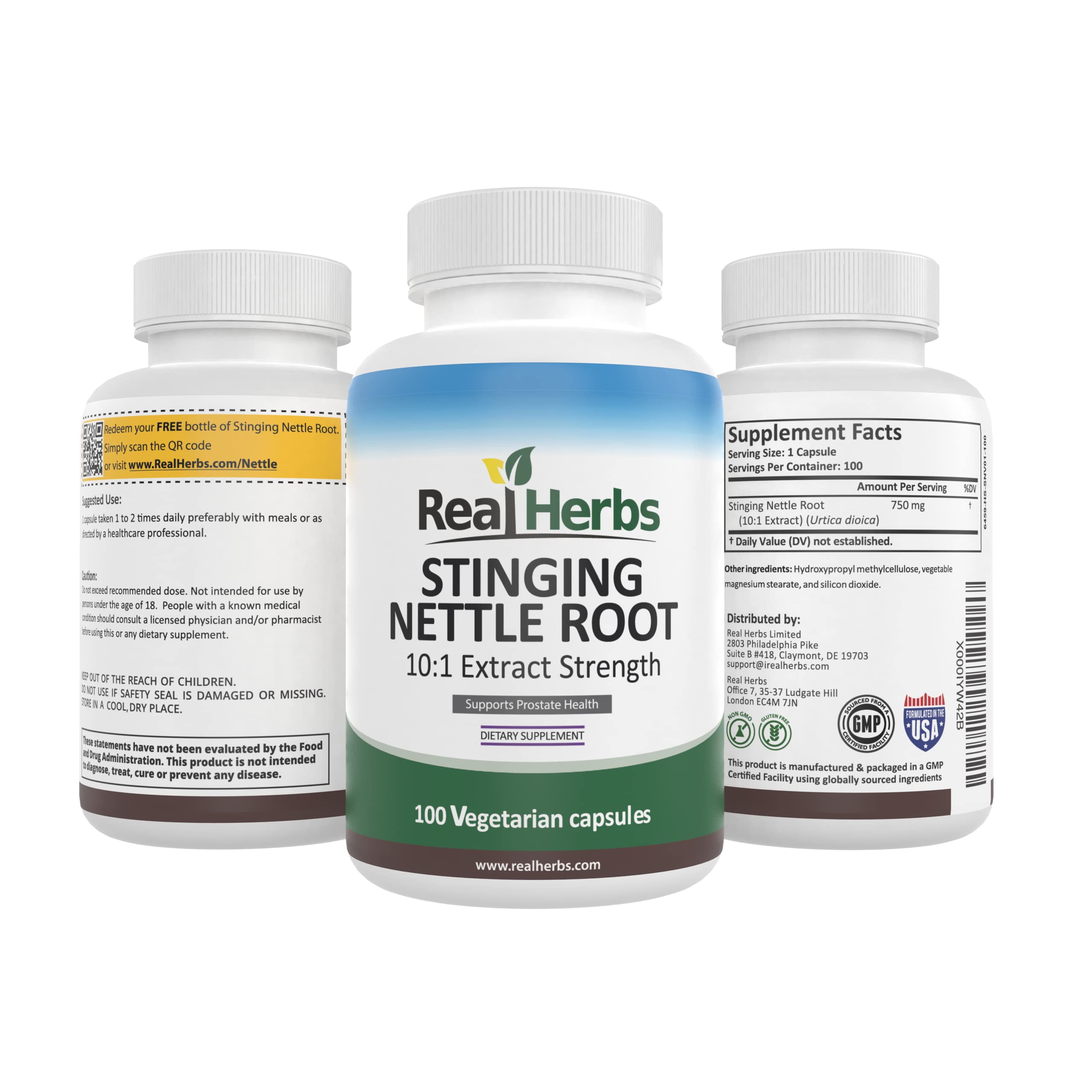
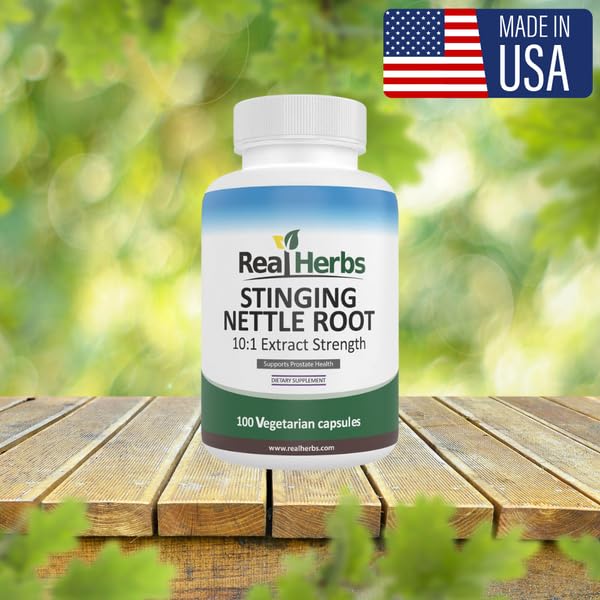
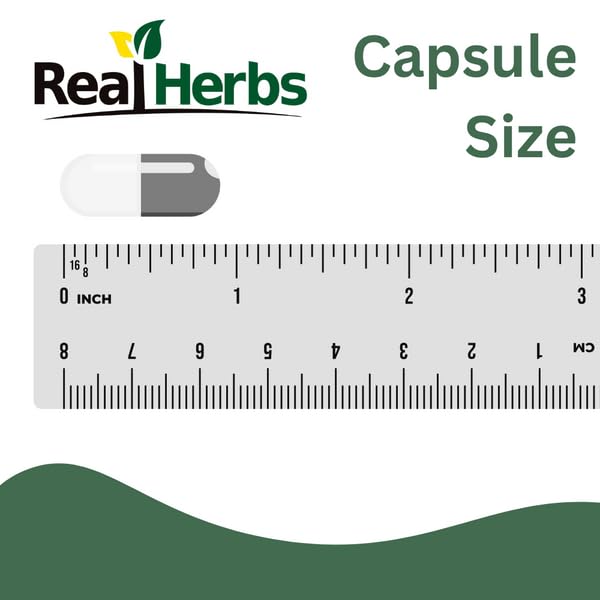
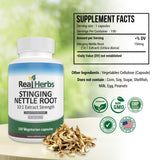
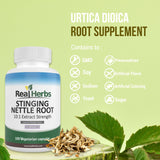
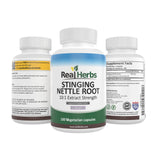
Real Herbs Stinging Nettle Root Extract delivers 750mg of 10:1 root extract per capsule. Suggested use: take 1-2 capsules daily with a meal, or as directed by your healthcare provider.
Shop Stinging Nettle Root Extract
Backed by our 30-Day Money-Back Guarantee.
Related Articles
- How Nettle Extract Supports Prostate Health
- Stinging Nettle Root: A Look at its Antioxidant and Nutrient Profile
Clinical References
- Ziaei R, Foshati S, Hadi A, Kermani MAH, Ghavami A, Clark CCT, Tarrahi MJ. The effect of nettle (Urtica dioica) supplementation on the glycemic control of patients with type 2 diabetes mellitus: A systematic review and meta-analysis. Phytother Res. 2020 Feb;34(2):282-294. PMID 31802554
- Kianbakht S, Khalighi-Sigaroodi F, Dabaghian FH. Improved glycemic control in patients with advanced type 2 diabetes mellitus taking Urtica dioica leaf extract: a randomized double-blind placebo-controlled clinical trial. Clin Lab. 2013;59(9-10):1071-1076. PMID 24273930
- Namazi N, Esfanjani AT, Heshmati J, Bahrami A. The effect of hydro alcoholic Nettle (Urtica dioica) extracts on insulin sensitivity and some inflammatory indicators in patients with type 2 diabetes: a randomized double-blind control trial. Pak J Biol Sci. 2011 Aug 1;14(15):775-779. PMID 22303583
- Gohari A, Noorafshan A, Akmali M, Zamani-Garmsiri F, Seghatoleslam A. Urtica Dioica Distillate Regenerates Pancreatic Beta Cells in Streptozotocin-Induced Diabetic Rats. Iran J Med Sci. 2018;43(2):174-183.
- Altamimi MA, Abu-Reidah IM, Altamimi A, Jaradat N. Hydroethanolic Extract of Urtica dioica L. (Stinging Nettle) Leaves as Disaccharidase Inhibitor and Glucose Transport in Caco-2 Hinderer. Molecules. 2022 Dec 15;27(24):8872. PMID 36558005
- Dhouibi R, Affes H, Ben Salem M, Hammami S, Sahnoun Z, Zeghal KM, Ksouda K. Screening of pharmacological uses of Urtica dioica and others benefits. Prog Biophys Mol Biol. 2020 Jan;150:67-77. PMID 31163183
Disclaimer: The information provided in this article is for educational purposes only and is not intended as medical advice. Always consult with a qualified healthcare professional before making any decisions about your health or starting any new supplement regimen. These statements have not been evaluated by the Food and Drug Administration. This product is not intended to diagnose, treat, cure, or prevent any disease.
© 2026 Real Herbs. All rights reserved.