
Stinging Nettle Root, Joint Pain and Inflammation: What Research Shows
By Real Herbs Editorial Team · Published October 2026 · Updated October 2026 · 7 min read
Key takeaway: We found no human trial of stinging nettle root alone for joint pain or arthritis. The human trials that exist used nettle leaf applied to the skin, or a multi-ingredient product, and they cannot be read as results for root. The European Medicines Agency (EMA) lists nettle leaf, not root, for minor joint pain. Lab studies show anti-inflammatory activity in some nettle extracts, including root extracts, but lab results do not tell us what happens in people.
Nettle has a long folk reputation for aching joints, and root capsules are sometimes sold with that in mind. This guide sets out what the research behind that reputation actually covers: which plant part, which product, what kind of study, and what is still untested for nettle root.
Disclosure: Real Herbs sells a stinging nettle root extract and does not market it for joint conditions. We report each study as it was published, and the trials did not test this exact product.
Traditional use for joints
The EMA lists a traditional use for nettle leaf (Urticae folium): relief of minor joint pain, with courses of up to 4 weeks, after a doctor has excluded serious causes ([1]). A general review likewise describes the leaves, not the root, as the part used for arthritis and rheumatism, with the root used for urinary difficulties linked to BPH ([2], PMID 35800714).
Nettle root appears in the historical record too. The EMA root assessment report lists gout and rheumatic disorders among many folk uses of the root, alongside uses for dandruff, kidney stones and diarrhoea, and notes that folk medicine relied more on the herb and leaves than on the root ([3]). Traditional use tells us what people have tried, not whether it worked. Our root versus leaf guide explains why the two materials are treated separately.
What human trials found
We searched PubMed for human trials of Urtica dioica in osteoarthritis and joint pain. The table lists the controlled trials we found. None tested a nettle root product on its own.
Swipe sideways to see all columns.
| Trial | People | Product tested | Length | What was reported |
|---|---|---|---|---|
| Randall 2000 Human trial | 27 with osteoarthritis at the base of the thumb or index finger | Fresh stinging nettle leaf applied to the skin, compared with white deadnettle leaf as placebo (crossover) | 1 week of treatment | Larger drops in pain (P = 0.026) and disability (P = 0.0027) than placebo ([4], PMID 10911825) |
| Jacquet 2009 Combination extract | 81 with knee or hip osteoarthritis who regularly used painkillers | Phytalgic, a food supplement with fish oil, vitamin E and Urtica dioica (plant part not stated in the abstract) | 3 months | Less painkiller use (6.5 vs 16.5 tablets a week) and lower WOMAC pain, stiffness and function scores than placebo ([5], PMID 20015358) |
| Moré 2017 Combination extract | 92 with knee osteoarthritis | MA212, a drink with rosehip, nettle leaf extract, devil’s claw root extract and vitamin D | 12 weeks | WOMAC pain score improved by 29.9 vs 10.2 points with placebo; both groups improved ([6], PMID 28614869) |
Reading these results. The nettle sting trial tested fresh leaf placed on the skin, so it says nothing about a capsule. It was small, short and used a crossover design, and the sting itself makes true blinding hard. The Phytalgic and MA212 products each contained several active ingredients, so a benefit cannot be credited to nettle. Reviewers who assessed the Phytalgic trial called the data promising but at high risk of bias, noting that it was registered after it finished and that patients could probably taste the fish oil ([7], PMID 20156334). The abstract of the MA212 trial does not state who funded it, and the placebo group also improved noticeably.
What lab studies found
Cell study A 1999 study found that a standardized nettle leaf extract (IDS 23) blocked activation of NF-kappaB, a switch that drives many inflammatory genes, in cultured cells ([8], PMID 9923611). This is one proposed route by which nettle might act on inflammation.
Cell study A 2012 study compared water, methanol, ethanol and dichloromethane extracts of nettle roots, stems, leaves and flowers in mouse immune cells. The dichloromethane (lipophilic) extracts of the roots, stems and leaves had potent anti-inflammatory effects with little cell toxicity, while the polar extracts, closer to a traditional tincture or tea, were moderate to weak. The authors suggested lipophilic extracts may be worth testing in clinical studies of inflammatory disorders such as arthritis ([9], PMID 23092723).
These are cell experiments. Whether any of these effects occur in a person who swallows a capsule, at what dose, and whether they reduce joint pain has not been tested in nettle root trials. A 10:1 root extract and a lab dichloromethane extract are also different materials.
What this means for nettle root
For nettle root specifically, the position is simple. The regulatory bodies we cite list root for urinary symptoms of BPH ([3]), human trials of nettle for joints used leaf or mixed products, and the root has some lab data on inflammation without a human joint trial behind it. Real Herbs does not claim that nettle root helps joint pain. If you have joint pain, the sections below cover what to do next. Our BPH guide and dosage, timing and forms guide cover the uses the root research does address.
Joint pain and when to see a doctor
Joint pain has many causes, including osteoarthritis, inflammatory arthritis such as rheumatoid arthritis, and gout, and they are treated differently. Get a diagnosis before trying a supplement, especially if you have swelling, redness, warmth, morning stiffness lasting more than about 30 minutes, a hot swollen joint with fever, or pain after an injury. The EMA leaf monograph lists courses of up to 4 weeks for joint pain, not open-ended use ([1]).
Do not stop or replace a prescribed medicine with a nettle product. Tell your doctor or pharmacist about every supplement you take, since interaction data on nettle are limited; see our guide to nettle root and medicine interactions and to side effects and who should avoid nettle root. Applying fresh stinging nettle to the skin deliberately causes a stinging, itchy rash, and the sting contains histamine and other irritants ([10], PMID 2025924), so it is not something we suggest.
Frequently asked questions
Is stinging nettle root good for joint pain?
We found no human trial of nettle root alone for joint pain. The human trials on nettle and joints used leaf applied to the skin or multi-ingredient products, so they do not tell us about root capsules.
Does nettle root reduce inflammation?
Some nettle extracts, including root extracts, reduced inflammation markers in cell experiments. Cell results do not establish that a capsule reduces inflammation in people.
Which part of nettle is used for arthritis?
The EMA lists leaf for minor joint pain. The root assessment report mentions rheumatic disorders and gout among folk uses of the root, while noting that folk medicine relied more on the herb and leaves.
Does nettle sting treatment work for arthritis?
One small crossover trial in 27 people with thumb or finger osteoarthritis reported larger drops in pain and disability after one week of fresh leaf applied to the skin than with placebo. It was small and short, and it does not apply to root capsules.
Can I take nettle root with arthritis medicines?
Interaction data on nettle are limited. Ask your doctor or pharmacist before combining it with painkillers, anti-inflammatory drugs or any other prescribed medicine.
Are nettle supplements for joints proven?
No. The supplements tested in trials combined several ingredients, and reviewers rated one of the trials as having a high risk of bias. Larger trials of single-ingredient products have not yet been done for nettle root.
How is nettle leaf different from nettle root?
They come from the same plant but are different materials with different traditional uses and different research. See our root versus leaf guide for a side-by-side comparison.
The bottom line
Nettle has a long folk history for achy joints, but the human evidence is for leaf or mixed products, not nettle root on its own. Root has some lab data on inflammation and no human joint trial that we could find. If joint pain is the reason you are looking, a diagnosis comes first, and any supplement is a conversation to have with your doctor.
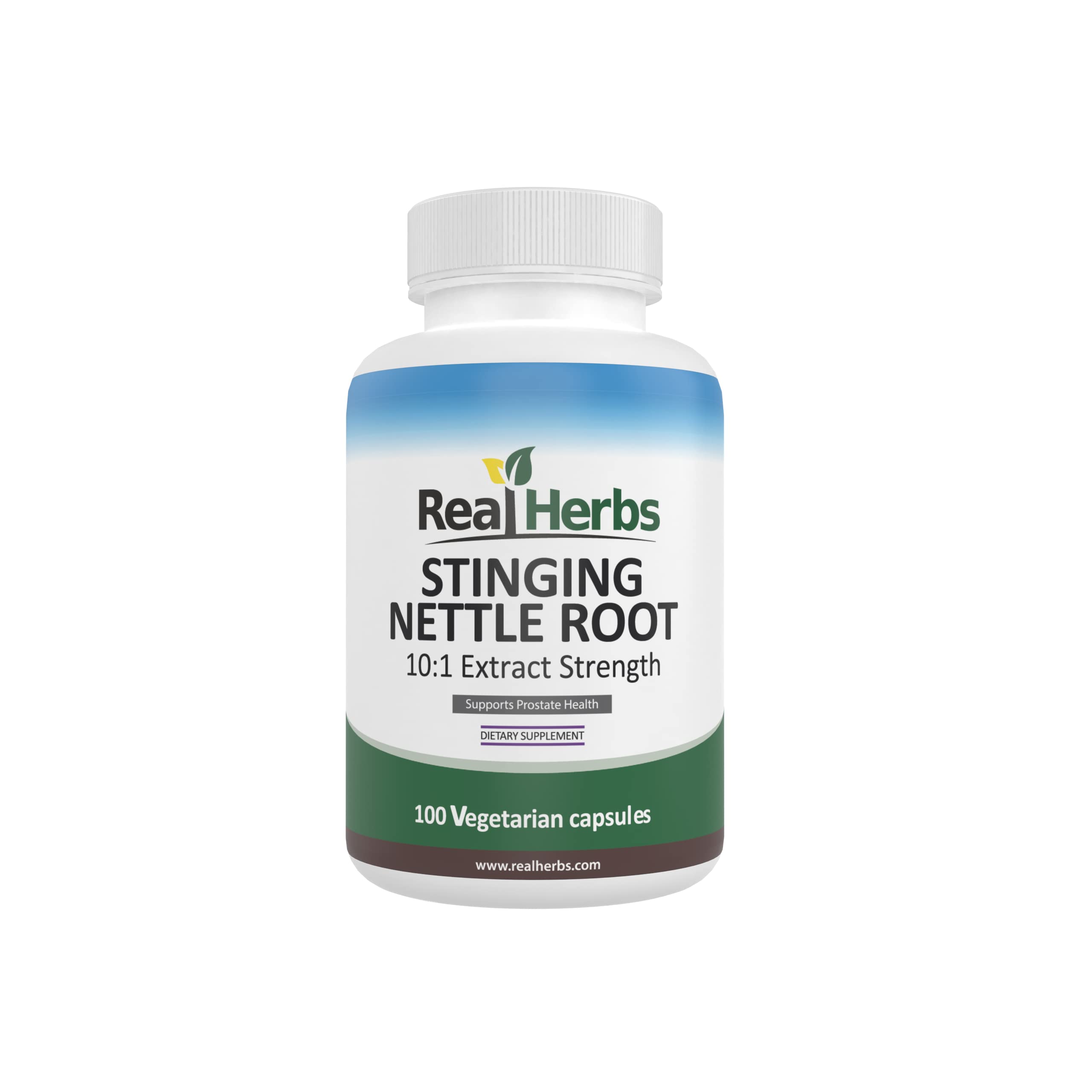
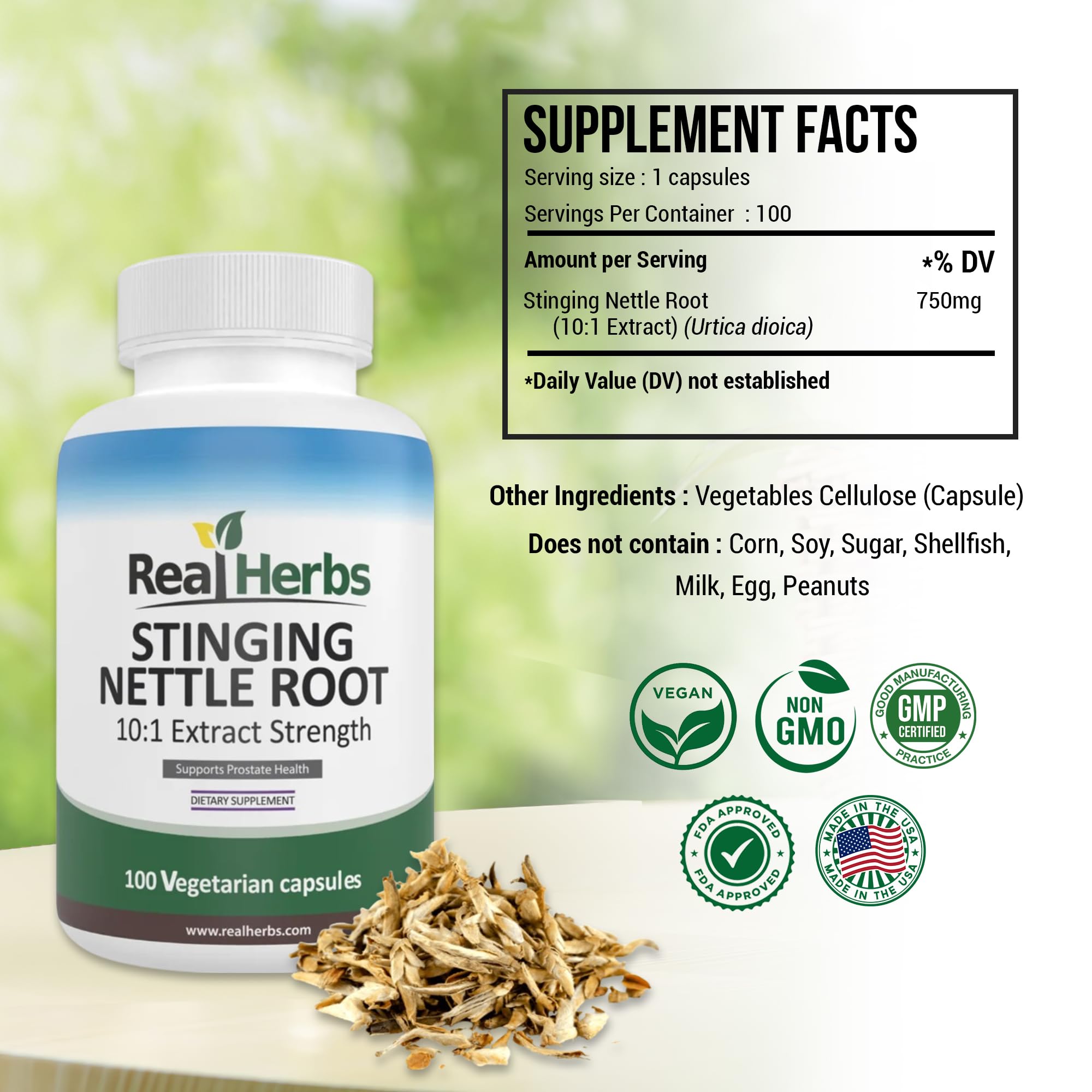
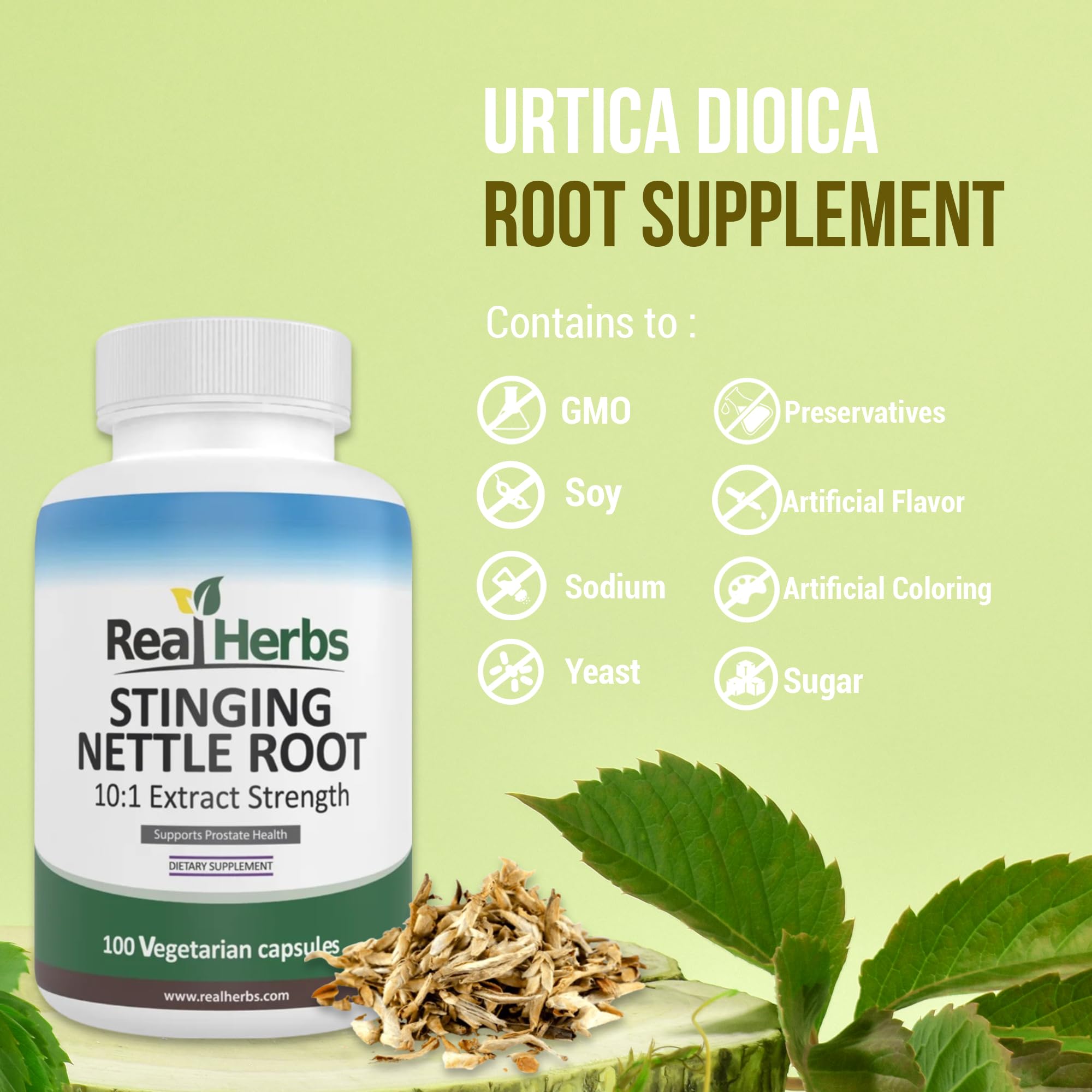
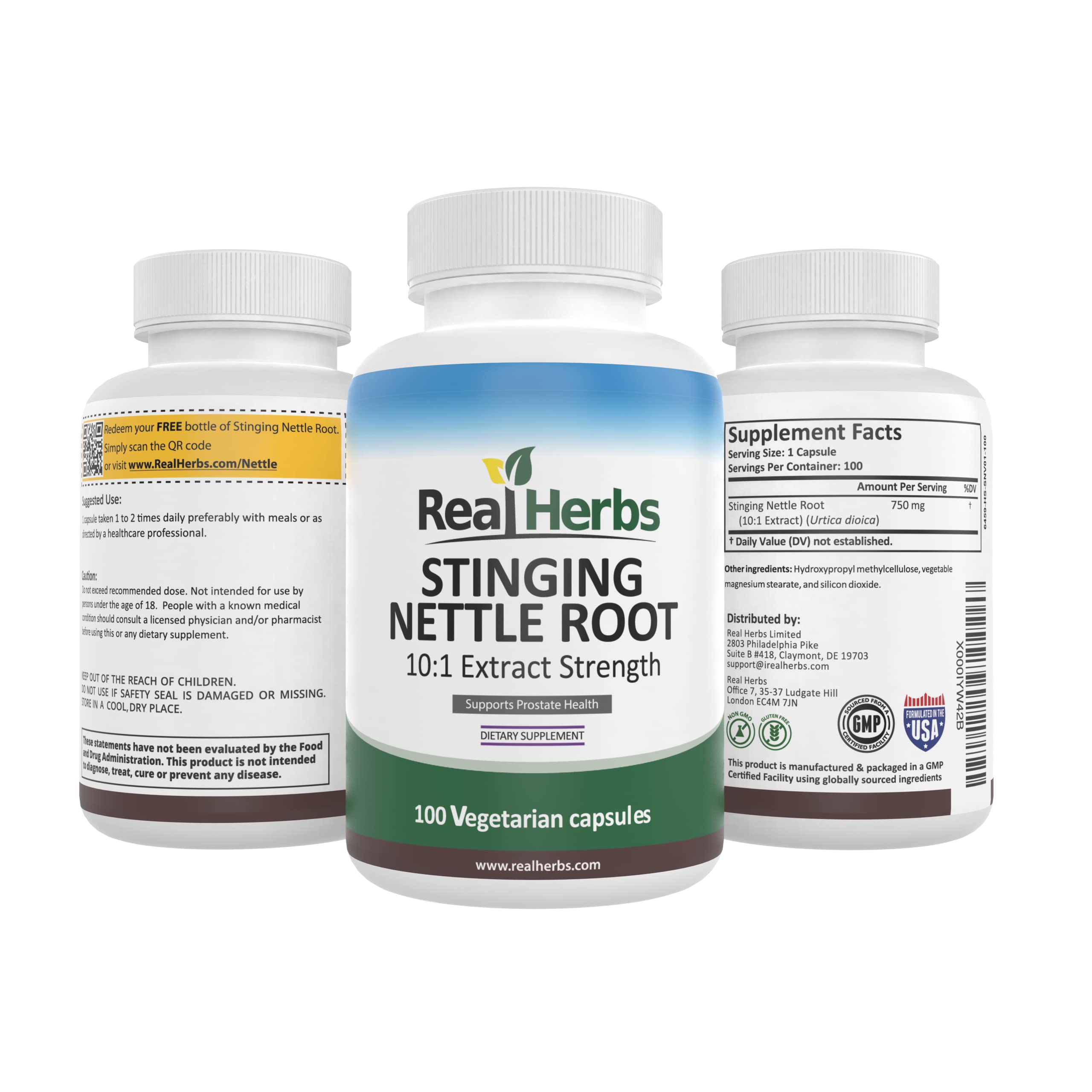
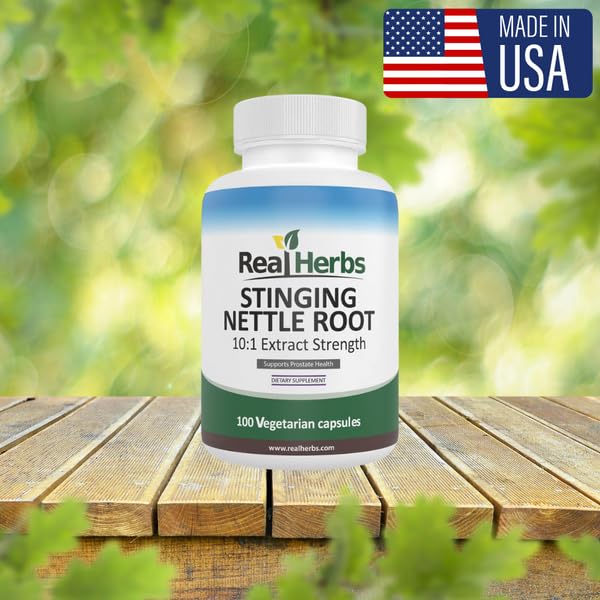
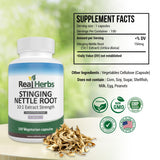
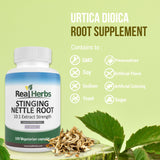
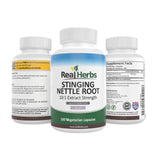
Real Herbs Stinging Nettle Root Extract: 750 mg of 10:1 root extract per capsule (about 7,500 mg dried root equivalent), 100 vegetarian capsules. Backed by our 100-Day Money-Back Guarantee. Real Herbs sells this product. The trials and the EMA documents did not test this exact product.
Related reading
- Nettle root vs. nettle leaf: key differences
- What is stinging nettle root?
- Nettle root and medicine interactions
- Nettle root side effects and who should avoid it
References
- European Medicines Agency, Committee on Herbal Medicinal Products. Community herbal monograph on Urtica dioica L.; Urtica urens L., folium. EMA/HMPC/508015/2007. 14 January 2010. ema.europa.eu
- Bhusal KK, Magar SK, Thapa R, Lamsal A, Bhandari S, Maharjan R, et al. Nutritional and pharmacological importance of stinging nettle (Urtica dioica L.): a review. Heliyon. 2022;8(6):e09717. PMID 35800714 · DOI 10.1016/j.heliyon.2022.e09717
- European Medicines Agency, Committee on Herbal Medicinal Products. Assessment report on Urtica dioica L.; Urtica urens L., radix. EMA/HMPC/322627/2023. Final, Revision 1, 22 January 2025. ema.europa.eu
- Randall C, Randall H, Dobbs F, Hutton C, Sanders H. Randomized controlled trial of nettle sting for treatment of base-of-thumb pain. J R Soc Med. 2000;93(6):305-9. PMID 10911825 · DOI 10.1177/014107680009300607
- Jacquet A, Girodet PO, Pariente A, Forest K, Mallet L, Moore N. Phytalgic, a food supplement, vs placebo in patients with osteoarthritis of the knee or hip: a randomised double-blind placebo-controlled clinical trial. Arthritis Res Ther. 2009;11(6):R192. PMID 20015358 · DOI 10.1186/ar2891
- Moré M, Gruenwald J, Pohl U, Uebelhack R. A Rosa canina - Urtica dioica - Harpagophytum procumbens/zeyheri combination significantly reduces gonarthritis symptoms in a randomized, placebo-controlled double-blind study. Planta Med. 2017;83(18):1384-1391. PMID 28614869 · DOI 10.1055/s-0043-112750
- Christensen R, Bliddal H. Is Phytalgic® a goldmine for osteoarthritis patients or is there something fishy about this nutraceutical? A summary of findings and risk-of-bias assessment. Arthritis Res Ther. 2010;12(1):105. PMID 20156334 · DOI 10.1186/ar2909
- Riehemann K, Behnke B, Schulze-Osthoff K. Plant extracts from stinging nettle (Urtica dioica), an antirheumatic remedy, inhibit the proinflammatory transcription factor NF-kappaB. FEBS Lett. 1999;442(1):89-94. PMID 9923611 · DOI 10.1016/s0014-5793(98)01622-6
- Johnson TA, Sohn J, Inman WD, Bjeldanes LF, Rayburn K. Lipophilic stinging nettle extracts possess potent anti-inflammatory activity, are not cytotoxic and may be superior to traditional tinctures for treating inflammatory disorders. Phytomedicine. 2013;20(2):143-7. PMID 23092723 · DOI 10.1016/j.phymed.2012.09.016
- Oliver F, Amon EU, Breathnach A, Francis DM, Sarathchandra P, Black AK, et al. Contact urticaria due to the common stinging nettle (Urtica dioica): histological, ultrastructural and pharmacological studies. Clin Exp Dermatol. 1991;16(1):1-7. PMID 2025924 · DOI 10.1111/j.1365-2230.1991.tb00282.x
Disclaimer: This article is for educational purposes only and is not medical advice. Talk with a qualified healthcare professional before starting any supplement, especially if you have a medical condition or take medication. These statements have not been evaluated by the Food and Drug Administration. This product is not intended to diagnose, treat, cure, or prevent any disease.