Stinging Nettle Root for Kidney Health: Benefits and Function
By Jessica Johnson, Herbal Science Researcher at Real Herbs | Updated: July 2026 | Reading time: 9 minutes

Key takeaway: Nettle root's diuretic, anti-inflammatory, and antioxidant properties offer a reasonable, general basis for interest in kidney health, and there's real preclinical research connecting the plant to nephroprotection and stone prevention. Some of the most specific findings come from leaf research rather than root. For anyone with existing kidney conditions, professional medical guidance matters more than usual here.
Unpacking Nettle Root's Potential for Kidney Health
The kidneys work continuously to filter waste from the blood, regulate blood pressure, and maintain electrolyte balance. Given this crucial role, many people look for natural ways to support kidney health. Stinging nettle root (Urtica dioica) is widely known for male health, particularly prostate support, but its historical use as a diuretic raises a reasonable question: is stinging nettle root good for kidneys?
This guide covers the honest, accurately-sourced science on nettle root and kidney function, including where the strongest evidence actually comes from.
Mechanisms of Action: How Stinging Nettle Root May Support Kidneys
Nettle, both leaf and root, contains a range of bioactive compounds, including flavonoids, phenols, and minerals, relevant to several proposed mechanisms:
- Diuretic properties: Nettle is a well-documented diuretic, increasing urine production and flow. Nettle root extracts are specifically studied for relieving urinary symptoms, particularly in the context of BPH (PMID 17509841).
- Anti-inflammatory effects: Inflammation can contribute to kidney damage and disease progression. Nettle's documented anti-inflammatory properties are relevant background here (PMC9253158).
- Antioxidant activity: Oxidative stress plays a role in various kidney disorders. Nettle's antioxidant compounds may help address this general contributor to kidney cell damage (PMC9253158).
- Stone formation inhibition: Some preclinical research points to a potential role in inhibiting urinary stone formation, discussed in more detail below.
Scientific Evidence for Nettle Root's Renal Relevance
Human clinical trials specifically on nettle root's comprehensive impact on kidney disease are limited. What exists is largely preclinical, and it's important to be precise about which part of the plant was actually tested.
- Urinary stone prevention, a leaf-specific finding: An animal study found nettle leaf extract significantly reduced calcium oxalate crystal formation in rats (Zhang H, Li N, Li K, Li P. Mol Med Rep. 2014 Dec;10(6):3157-62. PMID 25310585). This is genuine evidence for the plant, specifically leaf-based, not root.
- Nephroprotection against cisplatin toxicity: A study found nettle methanolic extract reduced markers of kidney injury, including blood urea nitrogen and creatinine, in cisplatin-treated mice bearing tumors (Ziaee A, et al. Iran J Pharm Res. 2011 Summer;10(3):477-83. PMID 21939360). This is a real, verified finding, straight from the study's own reported results.
- Diabetic nephropathy, a null result worth reporting honestly: A study examined the effect of nettle on morphometric indices of the kidney in diabetic rats and found no significant morphometric changes (Golalipour MJ, Gharravi AM, Ghafari S, Afshar M. Pak J Biol Sci. 2007;10:3875-3879.). This null finding is worth including honestly rather than omitting, since it's part of the real picture of what's been studied.
- Traditional use context: Nettle root's traditional use for urinary disorders is discussed in broader reviews alongside its documented diuretic and general protective properties (PMID 17509841). A broader review of plant-based therapies for chronic kidney disease specifically reports that nettle extracts significantly attenuated kidney damage, including tubular atrophy, glomerular shrinkage, and fibrosis in preclinical models, and notes clinical benefits in patients undergoing partial nephrectomy or kidney transplantation (Khan MA, Kassianos AJ, Hoy WE, Alam AHMK, Healy HG, Gobe GC. J Evid Based Integr Med. 2022;27:2515690X221079688.). This is a genuinely relevant, specific finding worth knowing, though it's discussed as part of a broader review rather than presented as this article's own primary research.
Important Considerations and Precautions for Kidney Health
Despite these findings, real caution and professional guidance are essential, especially for anyone with existing kidney conditions or on medications.
- Existing kidney disease: For anyone with diagnosed kidney disease (chronic kidney disease, kidney failure, or impaired kidney function), nettle's diuretic effect could interfere with medical management of fluid and electrolyte balance. Do not use without strict medical supervision.
- Drug interactions: Nettle root can interact with diuretics, blood pressure medications, and blood thinners, all genuinely relevant considerations for kidney patients specifically.
- Hydration: Given nettle's diuretic action, adequate hydration is essential when using it.
- Safety profile: LiverTox notes stinging nettle extracts are generally well-tolerated, with minimal reported adverse events and no reported liver injury (National Institute of Diabetes and Digestive and Kidney Diseases. LiverTox. Bethesda: NIDDK; 2023 Mar 3. PMID 37011125). Any concerns specific to kidney health should still be directed to a specialist.
Frequently Asked Questions
Is nettle root good for kidneys?
The evidence is promising but preliminary, and it's worth knowing that some of the most specific findings (like urinary stone prevention) come from leaf research rather than root. Root's diuretic and anti-inflammatory properties offer a reasonable, general basis for interest, but this isn't the same as direct, root-specific proof.
Should I use nettle root if I have existing kidney disease?
Not without your doctor's guidance. Nettle's diuretic effect could interfere with careful fluid and electrolyte management that's often essential in kidney disease. This is an area where medical supervision genuinely matters.
Conclusion: A Potential Ally, But Medical Guidance Is Paramount
The question "is stinging nettle root good for kidneys" is met with promising, preliminary evidence: nettle's diuretic, anti-inflammatory, and antioxidant properties offer general relevance, and preclinical research supports potential roles in stone prevention (leaf-specific) and nephroprotection. For anyone with pre-existing kidney conditions or on medications, use should happen only under the direct supervision of a qualified healthcare professional.
Ready to Explore Natural Support for Your Health Journey?
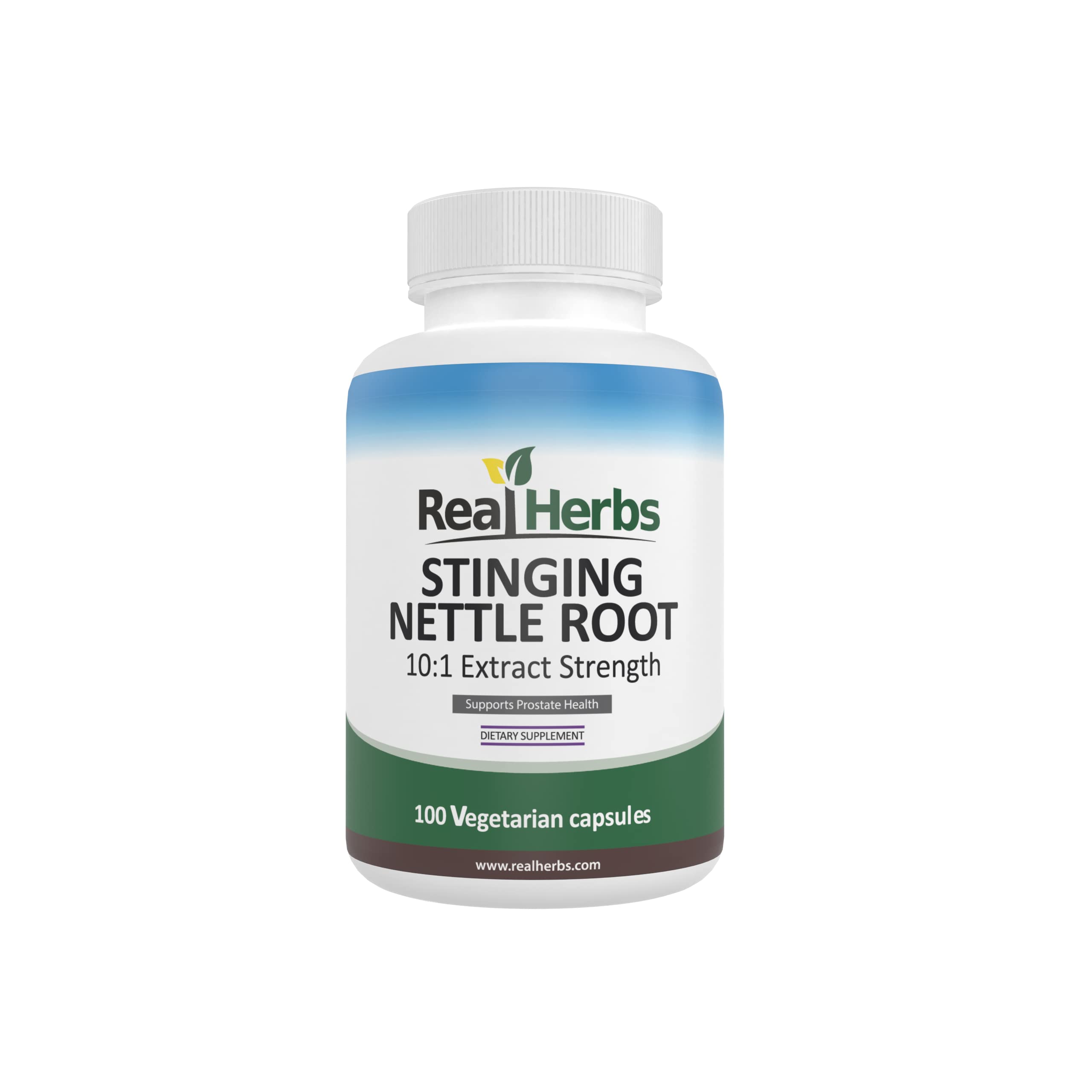
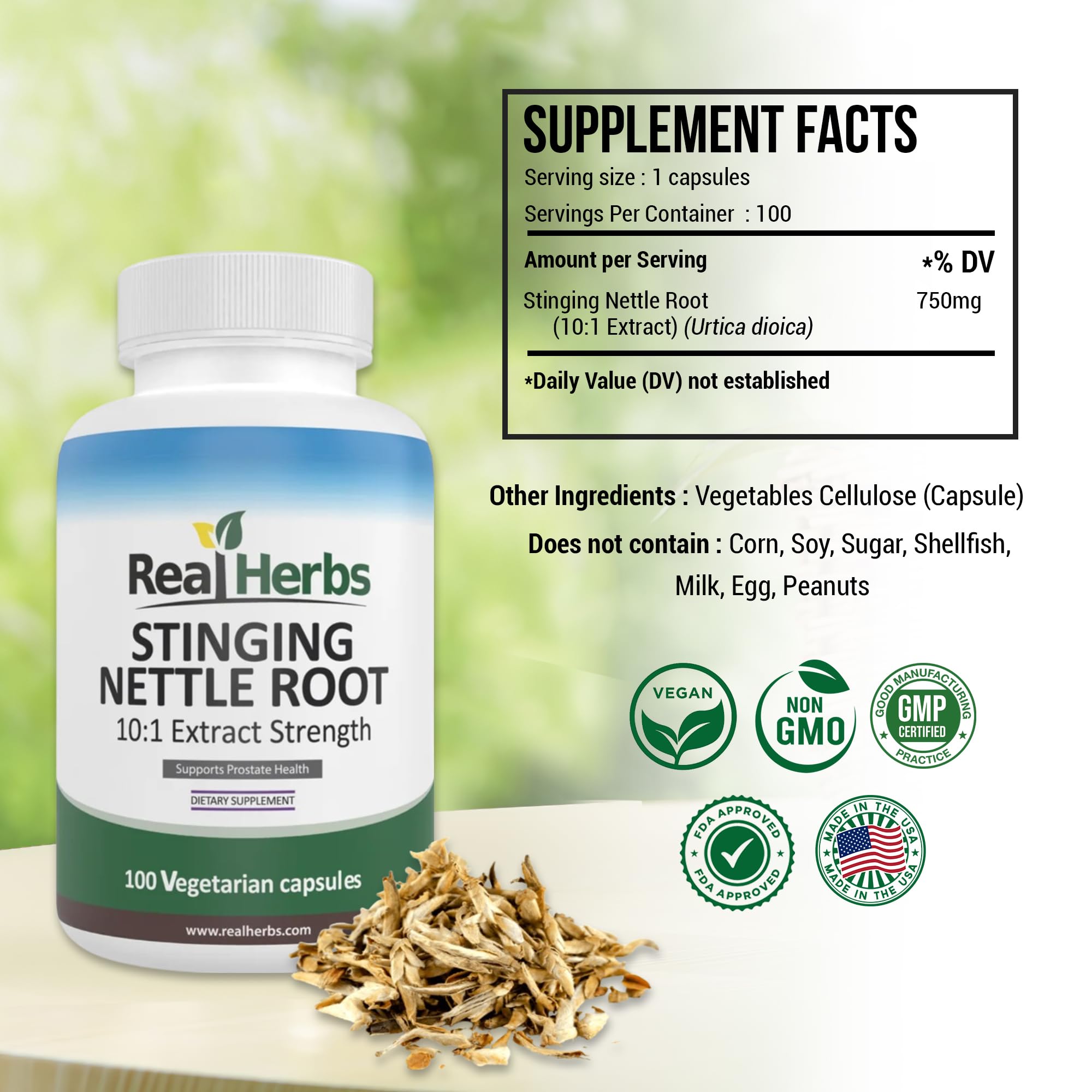
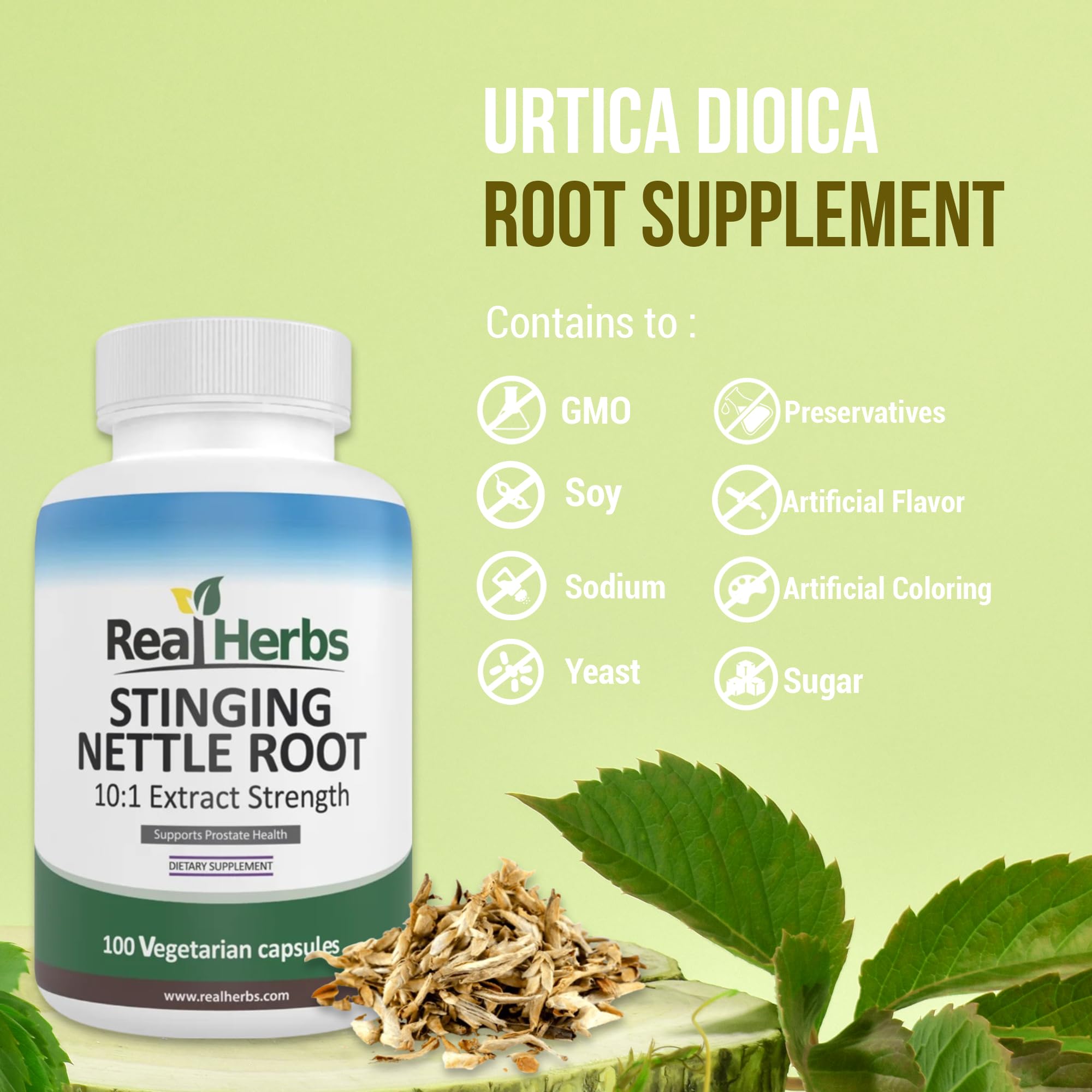
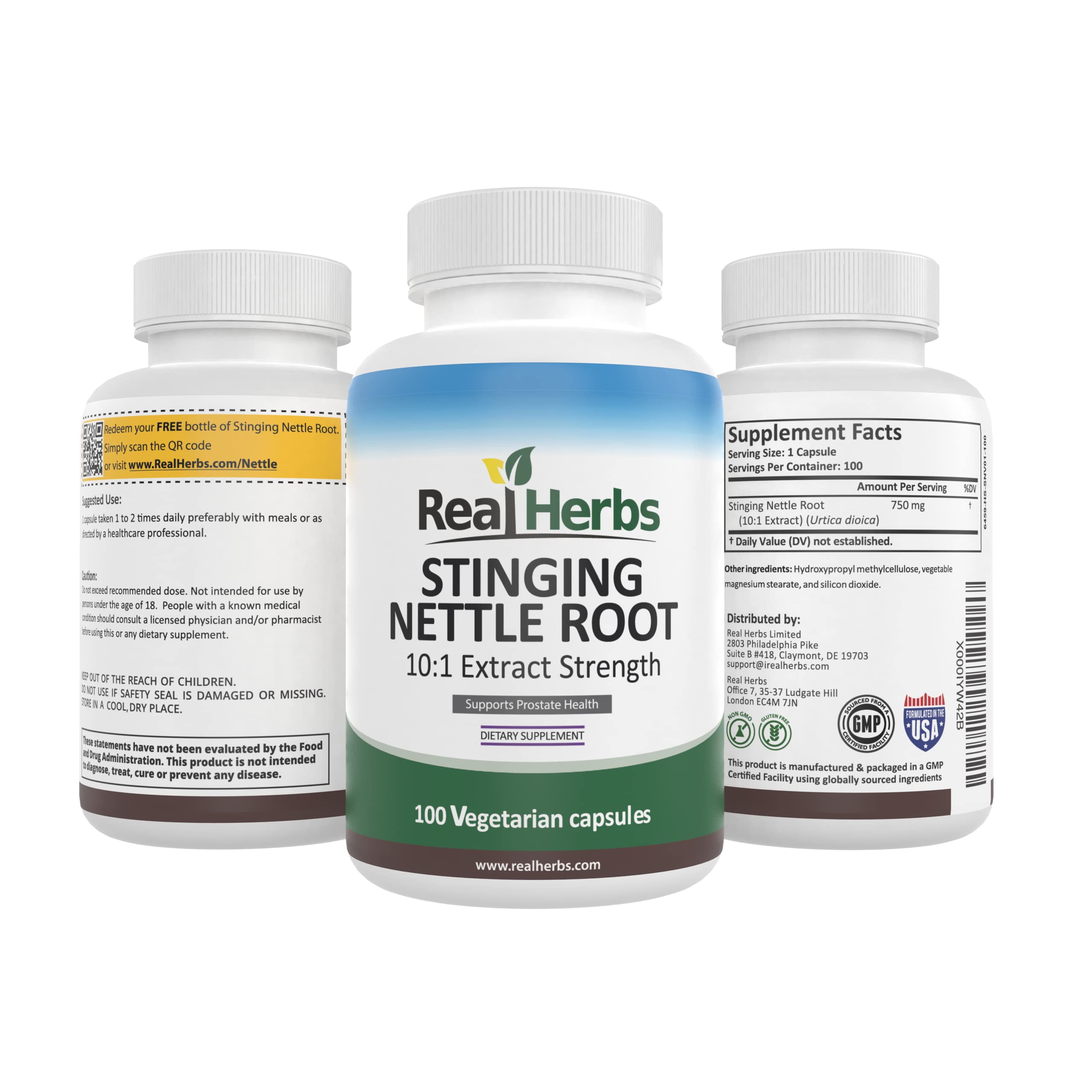
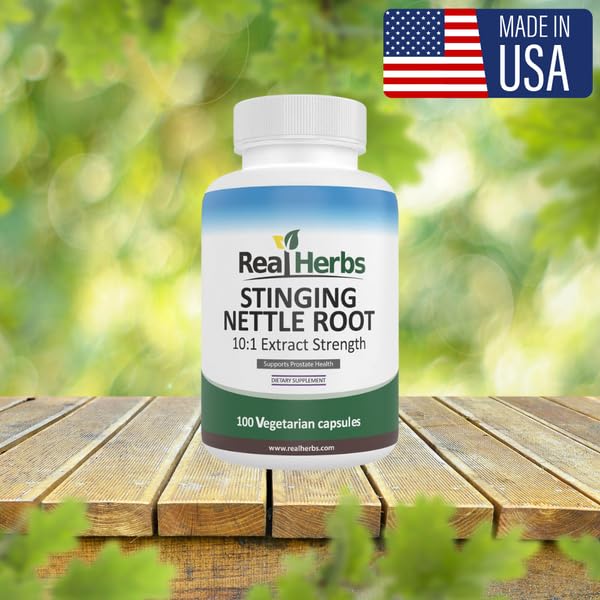
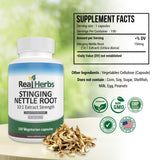
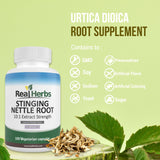
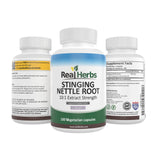
Real Herbs Stinging Nettle Root Extract is a premium supplement crafted to support prostate health and overall male vitality. While the broader Urtica dioica plant has been studied for kidney and urinary health, this product is primarily intended for prostate and hormonal support. If you have any kidney conditions or concerns, please consult your healthcare professional before taking any new supplement.
Shop Stinging Nettle Root Extract
Backed by our 30-Day Money-Back Guarantee.
Related Articles
- Preventing Kidney Stones: The Role of Stinging Nettle Root
- How to Use Stinging Nettle Root for Detox Kidney Health
Clinical References
- Zhang H, Li N, Li K, Li P. Protective effect of Urtica dioica methanol extract against experimentally induced urinary calculi in rats. Mol Med Rep. 2014 Dec;10(6):3157-62. PMID 25310585
- Ziaee A, et al. Ameliorative influence of Urtica dioica L against cisplatin-induced toxicity in mice bearing Ehrlich ascites carcinoma. Iran J Pharm Res. 2011 Summer;10(3):477-83. PMID 21939360
- Golalipour MJ, Gharravi AM, Ghafari S, Afshar M. Effect of Urtica dioica on morphometric indices of kidney in streptozotocin diabetic rats-a stereological study. Pak J Biol Sci. 2007;10:3875-3879.
- National Institute of Diabetes and Digestive and Kidney Diseases. Stinging Nettle. In: LiverTox: Clinical and Research Information on Drug-Induced Liver Injury. Bethesda (MD): NIDDK; 2023 Mar 3. PMID 37011125
- Bhusal KK, Magar SK, Thapa R, et al. Nutritional and pharmacological importance of stinging nettle (Urtica dioica L.): A review. Heliyon. 2022 Jun 22;8(6):e09717. PMC9253158
- Chrubasik JE, Roufogalis BD, Wagner H, Chrubasik S. A comprehensive review on the stinging nettle effect and efficacy profiles. Part II: urticae radix. Phytomedicine. 2007 Aug;14(7-8):568-79. PMID 17509841
- Khan MA, Kassianos AJ, Hoy WE, Alam AHMK, Healy HG, Gobe GC. Promoting Plant-Based Therapies for Chronic Kidney Disease. J Evid Based Integr Med. 2022 Jan-Dec;27:2515690X221079688.
Disclaimer: The information provided in this article is for educational purposes only and is not intended as medical advice. Always consult with a qualified healthcare professional before making any decisions about your health or starting any new supplement regimen, especially if you have existing kidney conditions or are taking medications. These statements have not been evaluated by the Food and Drug Administration. This product is not intended to diagnose, treat, cure, or prevent any disease.
© 2026 Real Herbs. All rights reserved.