Stinging Nettle Root for Hair Loss: A Natural DHT Blocker?
By Jessica Johnson, Herbal Science Researcher at Real Herbs | Updated: July 2026 | Reading time: 8 minutes

Key takeaway: Nettle root's 5-alpha-reductase-inhibiting activity is genuinely documented in lab research, which is why it's associated with DHT and hair loss. What's important to know is that this evidence comes from prostate and cell-culture research, not from a human trial measuring actual hair regrowth with nettle root specifically. It's a reasonable, science-based mechanism, not a proven hair loss treatment on its own.
The Root Cause of Pattern Hair Loss
For people dealing with androgenetic alopecia (pattern baldness), the primary driver is often the hormone dihydrotestosterone (DHT). DHT is created when the enzyme 5-alpha-reductase (5αR) converts testosterone. DHT binds to receptors in hair follicles, causing them to shrink (miniaturize) and eventually stop producing hair.
Stinging nettle root (Urtica dioica), best known for prostate health, has research connecting it to 5αR inhibition, giving it a plausible, science-based case as a natural DHT-related intervention.
1. The Core Mechanism: Inhibiting 5-alpha-reductase (5αR)
Nettle root contains phytosterols and lignans studied for their effects on 5αR activity.
- Direct 5αR inhibition: A study testing different types of nettle root extract against 5αR2 activity found that ethanolic extracts were the most effective inhibitors, followed by petroleum ether and aqueous extracts (PMID 21806658). This is genuine, direct evidence for nettle root's 5αR-inhibiting activity, though the study measured prostate tissue changes in animals, not hair-specific outcomes.
- Prostate evidence, same hormonal pathway: Most of the evidence for nettle root's DHT-related activity comes from benign prostatic hyperplasia (BPH) research, since BPH is also a DHT-driven condition. An animal study found nettle root extract inhibited experimentally induced prostatic hyperplasia in mice (PMID 9270373), and a comprehensive review of root efficacy covers this same hormonal pathway in the context of prostate health (PMID 17509841). Nettle root's separately documented effects on Na+,K+-ATPase enzyme activity in prostate tissue are a related but distinct mechanism, not the same as 5αR inhibition specifically (PMID 7510891).
- Anti-androgenic activity in skin cells (leaf extract): A study specifically testing nettle extract on HaCaT skin cells found it downregulated the gene expression of 5α-reductase type II, with the authors noting possible implications for androgenic skin conditions (Pekmezci E, Türkoğlu M. Georgian Med News. 2023;(334):6-9). This is one of the more directly relevant findings for skin/follicle-level anti-androgenic activity specifically, but it's worth being precise that this study used leaf extract, not root, so it's supporting evidence for the general mechanism rather than direct proof for the root product itself.
2. Supporting Hair Follicle Health: The Anti-Inflammatory Angle
Hair loss and follicle miniaturization can be worsened by chronic inflammation and oxidative stress in the scalp. Nettle root's broader properties are relevant here, though not tested on the scalp specifically.
- Reducing inflammation generally: Nettle extracts have documented anti-inflammatory activity (PMC9963650). Chronic inflammation is understood to contribute to some forms of alopecia, which makes this a reasonable, if indirect, connection.
- Antioxidant content: Nettle's antioxidant compounds are relevant to protecting skin and hair cells from oxidative damage generally, based on broader research on nettle's phytochemistry (PMC8276191).
- Nutritional support: Nettle is a source of vitamins and minerals relevant to general tissue health, including hair, as documented in broader reviews of natural compounds used for hair loss (PMID 37151166).
3. Usage and Realistic Expectations
- Consistency matters: If trying nettle root for hair-related reasons, benefits (if any) would be expected only after months of continuous, daily use, consistent with how it's studied for other hormone-related uses.
- Form: Standardized root extract in capsule form ensures a consistent dose. Topical rinses are also used traditionally, though they haven't been specifically tested for hair outcomes either.
- Talk to a professional first: Consult a doctor or dermatologist before using nettle root for hair loss, especially if you're taking hormonal medications or other hair loss treatments.
Frequently Asked Questions
Has nettle root been shown to regrow hair in a human trial?
No. The evidence described here is about 5-alpha-reductase inhibition in prostate and cell-culture research, not a trial measuring hair count, density, or regrowth in people using nettle root specifically. The mechanism is real and reasonably supports trying it, but it isn't the same as proven hair regrowth evidence.
Is nettle root as effective as finasteride for hair loss?
That hasn't been directly tested. Finasteride is a specific, potent 5αR inhibitor validated in dedicated hair loss trials. Nettle root's 5αR-inhibiting activity is real but comes from different research (prostate and cell studies), so a direct comparison isn't something the evidence currently supports.
Support Your Wellness Routine With Real Herbs Stinging Nettle Root
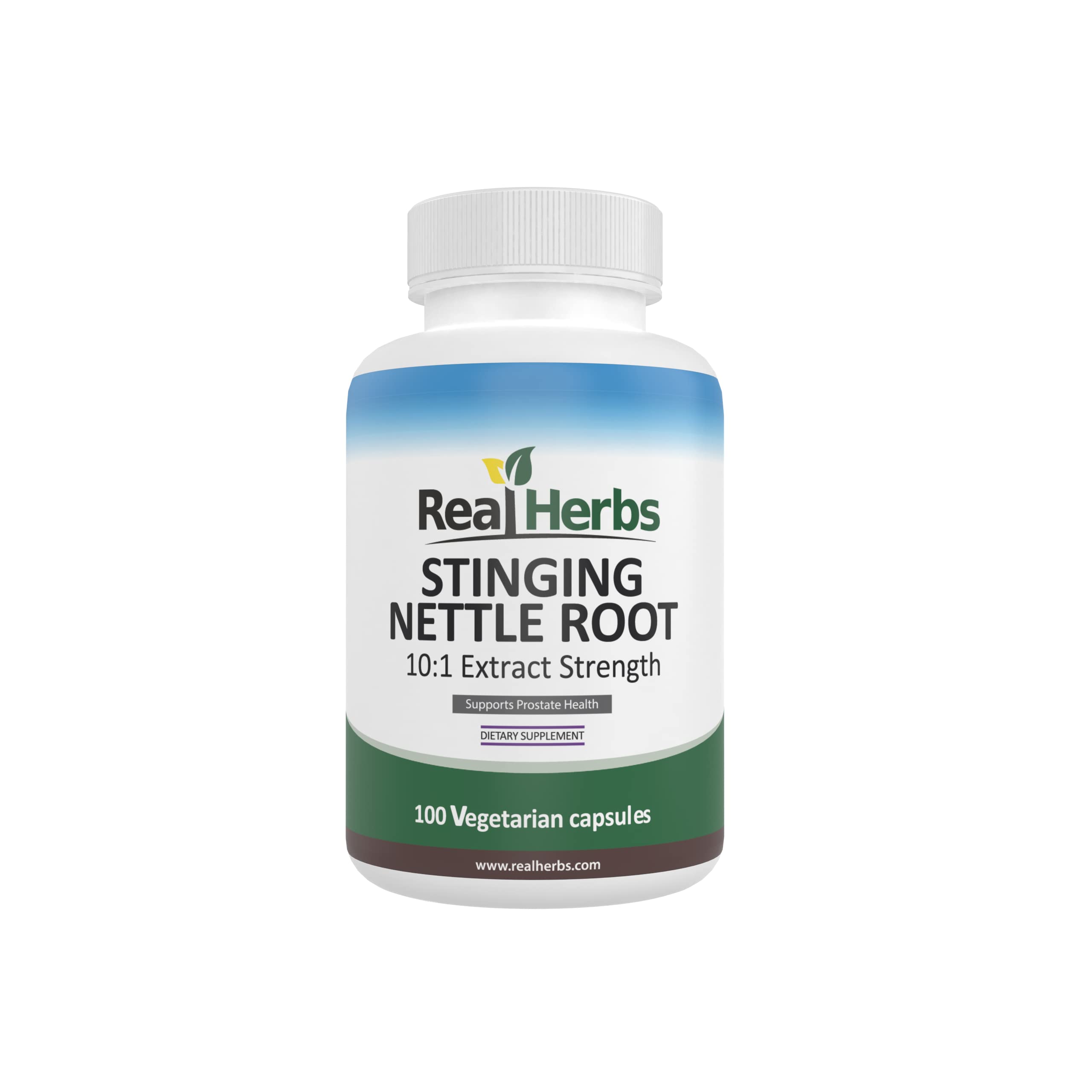
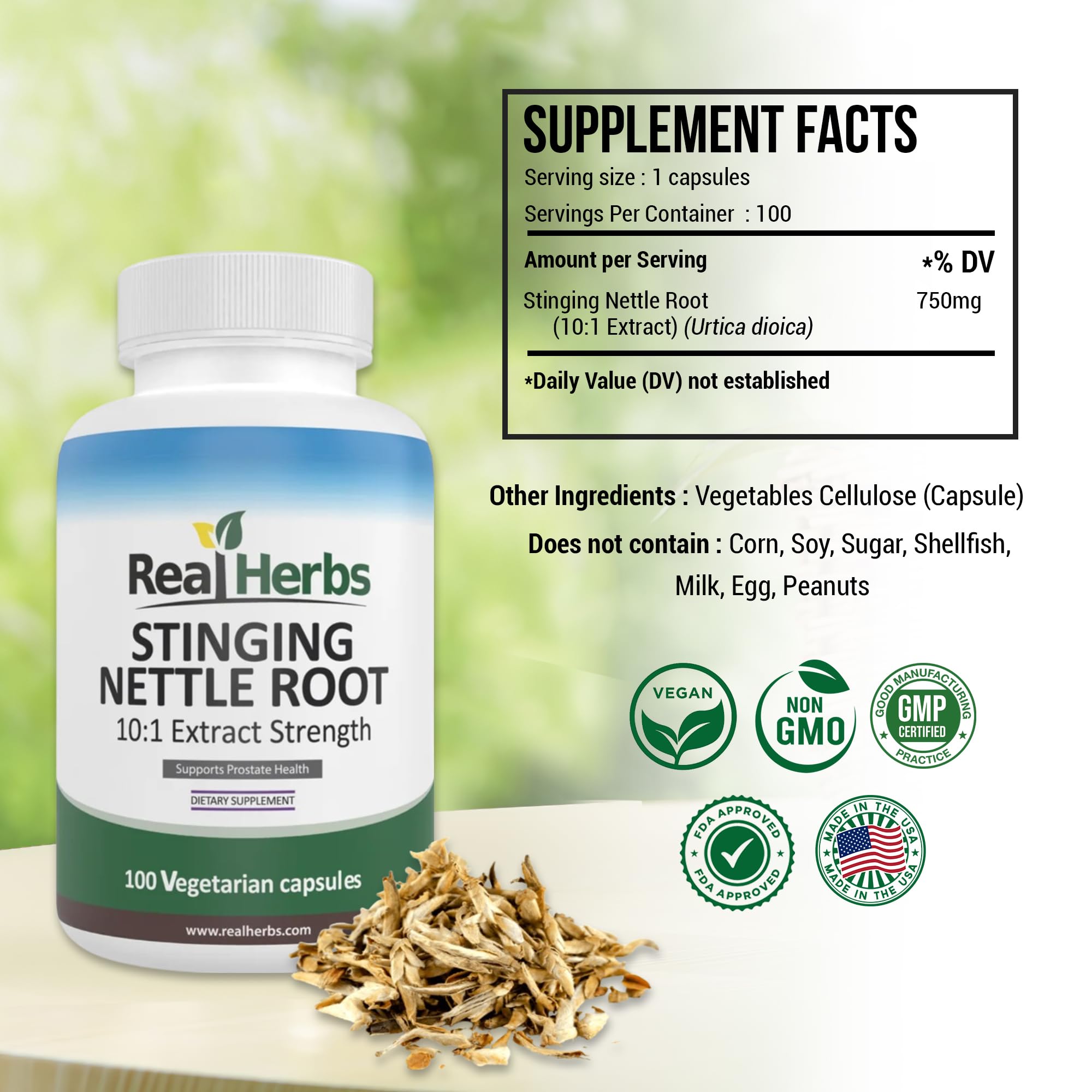
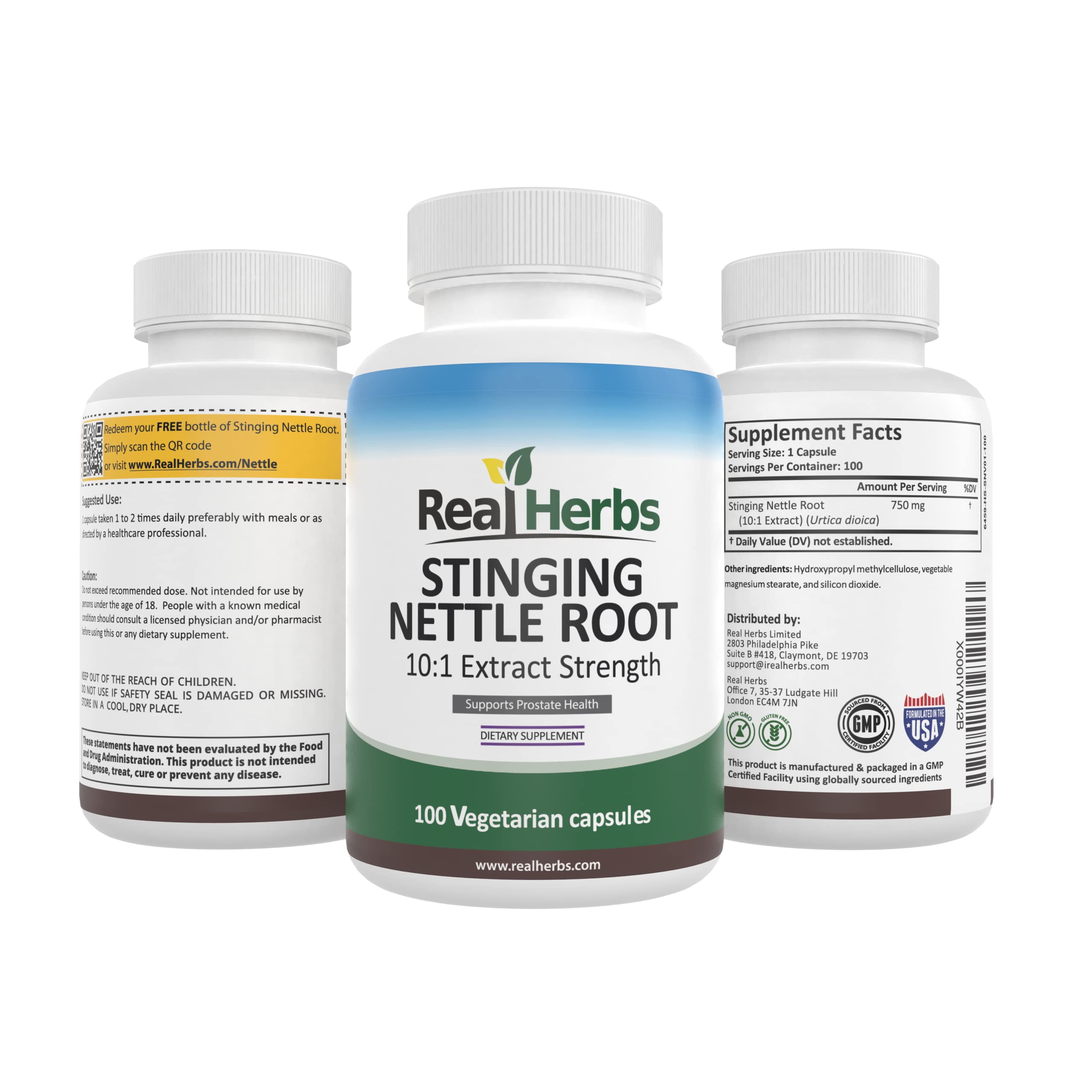
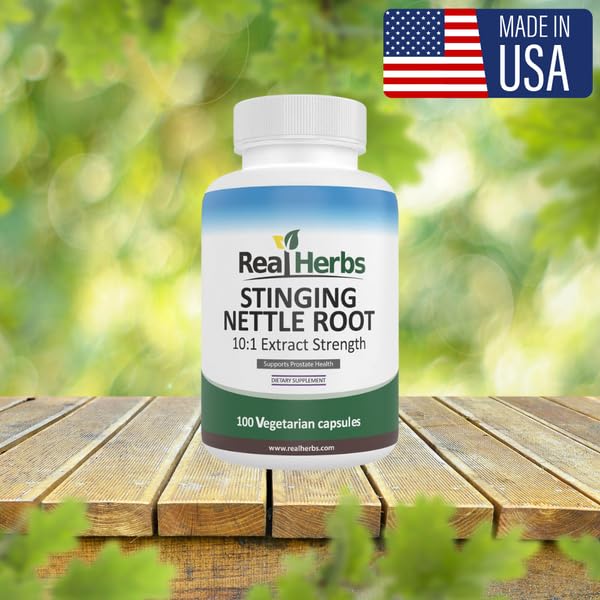
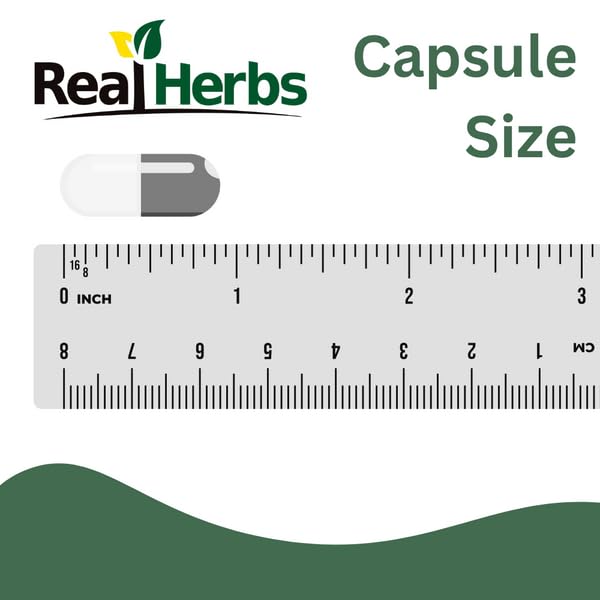
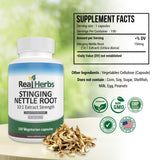
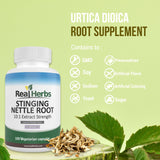
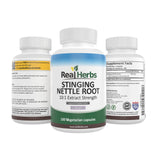
Real Herbs Stinging Nettle Root Extract delivers 750mg of 10:1 root extract per capsule. Suggested use: take 1-2 capsules daily with a meal, or as directed by your healthcare provider.
Shop Stinging Nettle Root Extract
Backed by our 30-Day Money-Back Guarantee.
Disclaimer: The information provided in this article is for educational purposes only and is not intended as medical advice. Always consult with a qualified healthcare professional before making any decisions about your health, especially regarding hair loss or hormonal treatments. These statements have not been evaluated by the Food and Drug Administration. This product is not intended to diagnose, treat, cure, or prevent any disease.
Clinical References
- Lichius JJ, Muth C. The inhibiting effects of Urtica dioica root extracts on experimentally induced prostatic hyperplasia in the mouse. Planta Med. 1997 Aug;63(4):307-10. PMID 9270373
- Nahata A, Dixit VK. Ameliorative effects of stinging nettle (Urtica dioica) on testosterone-induced prostatic hyperplasia in rats. Andrologia. 2012 May;44 Suppl 1:396-409. PMID 21806658
- Chrubasik JE, Roufogalis BD, Wagner H, Chrubasik S. A comprehensive review on the stinging nettle effect and efficacy profiles. Part II: urticae radix. Phytomedicine. 2007 Aug;14(7-8):568-79. PMID 17509841
- Hirano T, Homma M, Oka K. Effects of stinging nettle root extracts and their steroidal components on the Na+,K+-ATPase of the benign prostatic hyperplasia. Planta Med. 1994 Feb;60(1):30-3. PMID 7510891
- Gasmi A, Mujawdiya PK, Beley N, et al. Natural Compounds Used for Treating Hair Loss. Curr Pharm Des. 2023;29(16):1231-1244. PMID 37151166
- Azizi A, Mumin NH, Shafqat SN, Read M, Shrestha B. Phytochemicals With Anti 5-alpha-reductase Activity: A Prospective For Prostate Cancer Treatment. F1000Res. 2021;10:221. PMC8276191
- Kesika P, Sivamaruthi BS, Thangaleela S, Bharathi M, Chaiyasut C. Role and Mechanisms of Phytochemicals in Hair Growth and Health. Pharmaceuticals (Basel). 2023 Feb 3;16(2):206. PMC9963650
- Urtica dioica Extract Downregulates the Gene Expression of 5α-RII in HaCaT Cells: Possible Implications Against Androgenic Skin Diseases. PMID 36864786
© 2026 Real Herbs. All rights reserved.