Stinging Nettle Root & Metabolic Health: What Science Says
By Jessica Johnson, Herbal Science Researcher at Real Herbs | Updated: July 2026 | Reading time: 7 minutes

Key takeaway: A handful of small human trials, mostly in people with type 2 diabetes, suggest stinging nettle root may modestly support blood sugar and blood lipid levels, alongside lab and animal research pointing to anti-inflammatory and antioxidant activity. The evidence is real but limited in size and scope, and it should not be treated as a substitute for diabetes or blood pressure medication.
| Aspect | Details |
|---|---|
| Plant part studied | Mostly leaf extract in human trials; root studied more for phytochemical profile |
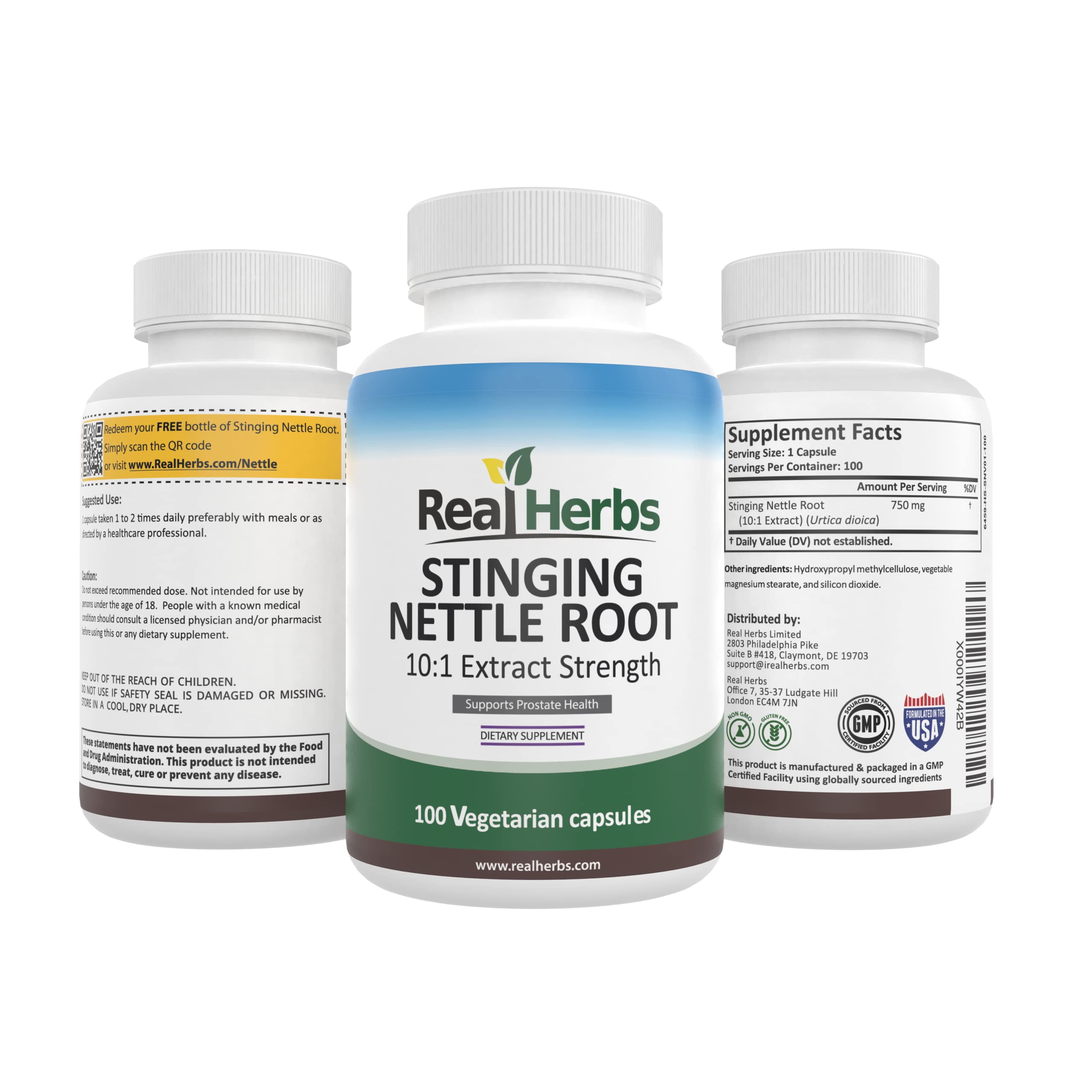
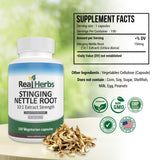
| Suggested use (product label) | 1-2 capsules daily with a meal, or as directed by a healthcare provider |
| Proposed mechanisms | Insulin secretion support, carbohydrate-digesting enzyme inhibition, antioxidant and anti-inflammatory activity, lipid modulation |
| Human clinical trials | A small number of short-term trials, mostly in people with diagnosed type 2 diabetes |
| Key caution | May interact with diabetes medications, blood pressure medications, diuretics, and blood thinners |
What Is Metabolic Health, and Where Does Nettle Root Fit In?
Metabolic health describes how well the body regulates blood sugar, cholesterol, blood pressure, and inflammation, systems that are closely linked, and that together drive risk for conditions like type 2 diabetes and heart disease. Lifestyle factors (diet, activity, sleep) are the foundation of metabolic health, but interest continues to grow in whether botanicals like stinging nettle root (Urtica dioica) can offer additional support.
It's worth naming the evidence honestly upfront: much of the metabolic research on nettle uses leaf extract rather than root, sample sizes in the human trials are small (usually well under 100 participants), and at least one frequently cited trial tested nettle only as part of a three-herb combination rather than on its own. None of that means the plant isn't worth discussing, but it does mean "proven" is the wrong word for where the science currently stands.
Proposed Mechanisms of Action
Blood Sugar Regulation
A review of nettle's anti-diabetic research describes several proposed pathways, including stimulating insulin secretion and inhibiting enzymes that break down carbohydrates, which could slow the rise in blood sugar after meals (PMID 35673511). In a small randomized trial of 50 women with type 2 diabetes, 8 weeks of hydro-alcoholic nettle extract was associated with a significant decrease in fasting blood glucose compared to placebo (PMID 28078249).
Anti-Inflammatory and Antioxidant Effects
Chronic low-grade inflammation and oxidative stress are closely tied to metabolic dysfunction. Lab research on extracts from nettle's roots, stems, and leaves found that certain lipophilic (fat-soluble) extracts had potent anti-inflammatory activity in immune cell assays, comparable to a standard anti-inflammatory reference compound, without notable toxicity to the cells tested (PMID 23092723).
Cholesterol and Lipid Modulation
In the same 8-week trial of women with type 2 diabetes, nettle extract was associated with a significant reduction in triglycerides and an increase in HDL ("good") cholesterol relative to placebo (PMID 28078249). A broader review of nettle and metabolic syndrome describes similar lipid-related findings across the wider research base, alongside effects on blood glucose and blood pressure (PMID 35911652).
Blood Pressure Support
Nettle has a long traditional use for blood pressure support, and the same metabolic syndrome review discusses blood-pressure-related findings alongside its other metabolic effects (PMID 35911652).
A Nutrient- and Phytochemical-Rich Plant
Beyond specific mechanisms, nettle is nutritionally dense and chemically complex. A comprehensive nutritional review catalogs its flavonoids, phenolic acids, and other bioactive compounds (PMID 36014458), while a 2025 review focused specifically on the root system describes its phytosterols, lignans, and other root-specific compounds (PMID 39861633). This chemical richness is part of why researchers keep investigating nettle across so many different angles of metabolic health.
What the Human Evidence Shows, and Its Limits
It's worth being specific about what has and hasn't been tested. The clearest standalone evidence for nettle and metabolic markers comes from the 8-week, 50-person trial in women with type 2 diabetes described above, which tested nettle extract alone against placebo (PMID 28078249).
A separate, often-cited trial found that a mixed herbal formulation combining milk thistle (silymarin), olibanum (Boswellia serrata), and nettle improved blood sugar markers over 90 days in people with type 2 diabetes (PMID 29228792). It's an interesting result, but because three herbs were combined, this trial can't tell us how much of the effect, if any, came from the nettle specifically. We're citing it here as evidence for the combination, not as standalone proof of what nettle alone does.
Taken together: there's a real and growing body of research, but it's still early, mostly short-term, and concentrated in people who already have diagnosed type 2 diabetes rather than the general population. Larger, longer, nettle-only trials would strengthen the picture considerably.
Support Your Wellness Routine With Real Herbs Stinging Nettle Root
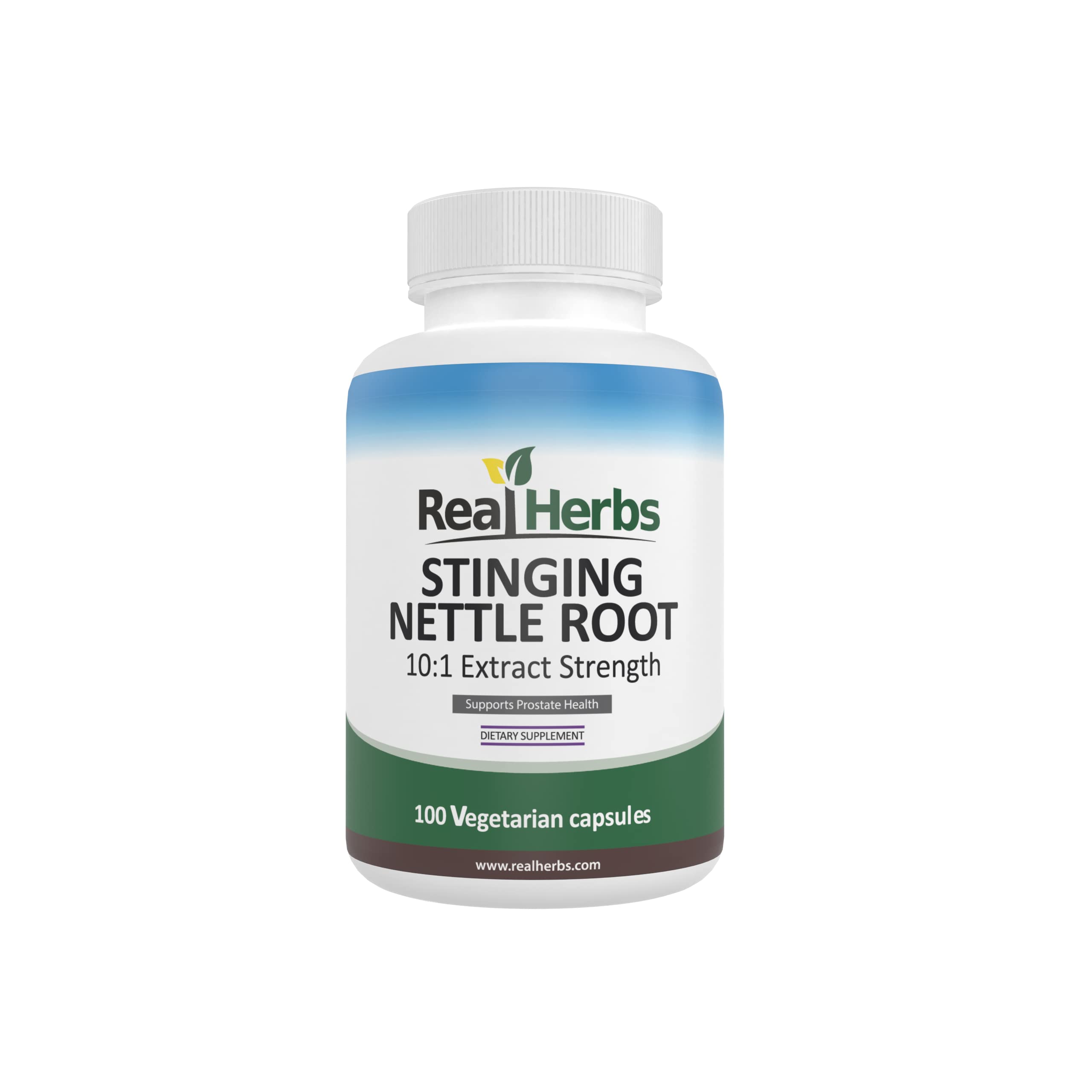
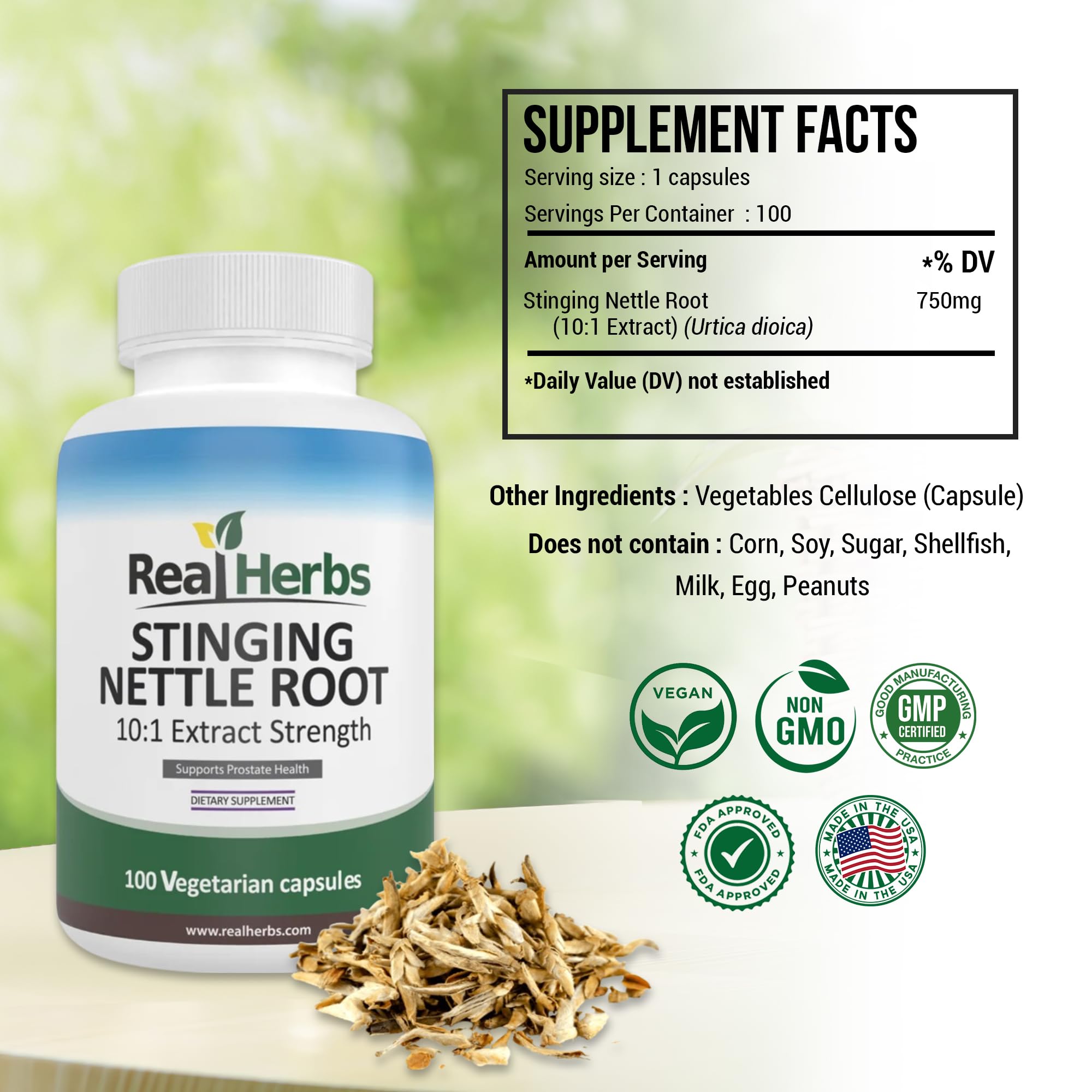
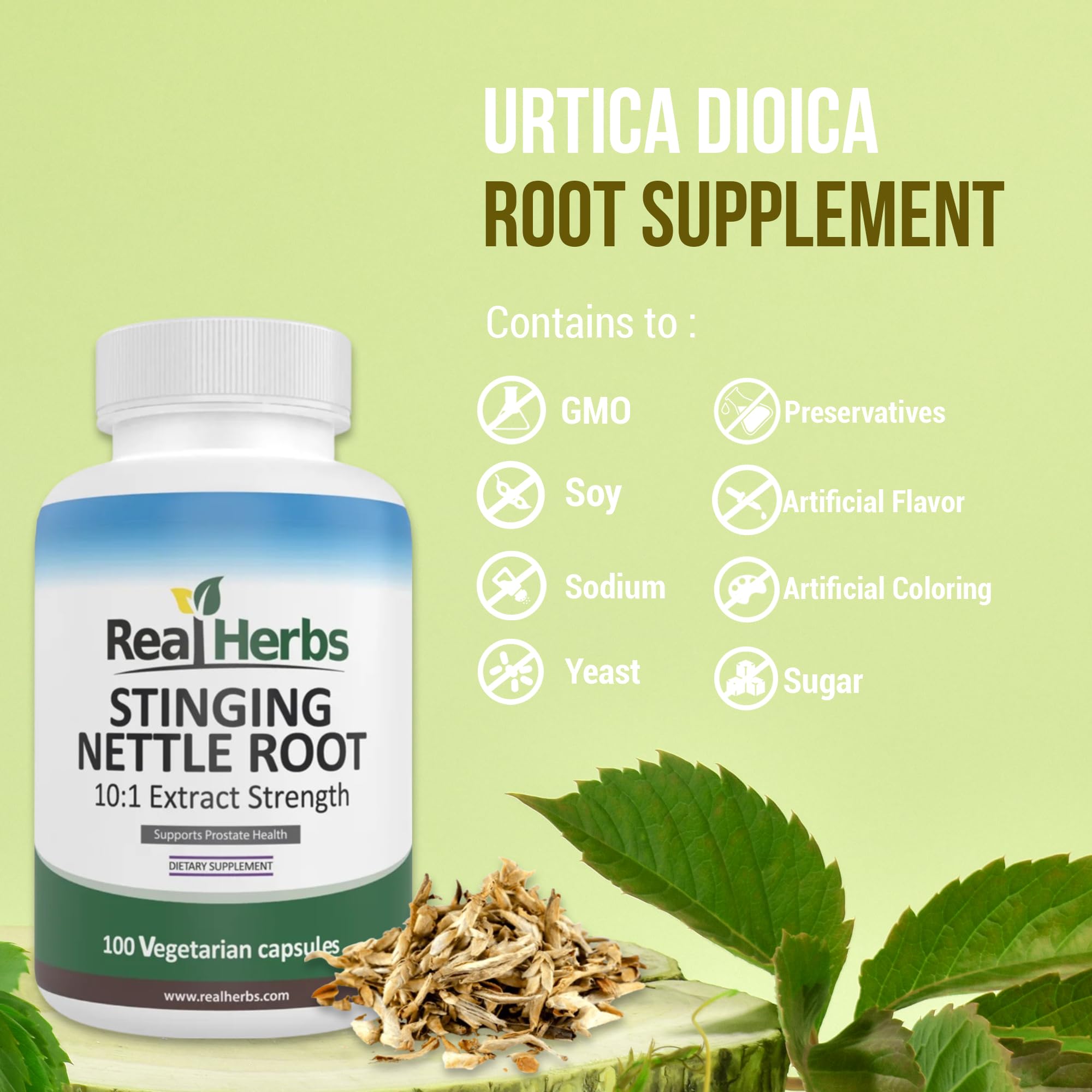
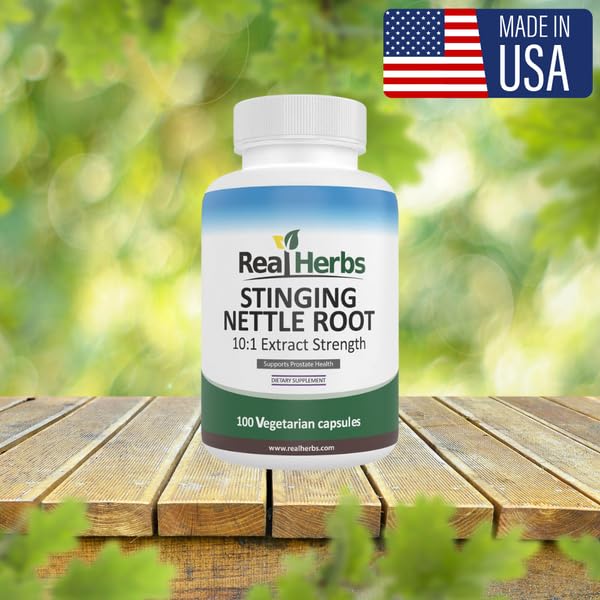
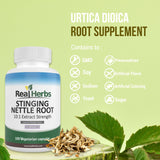
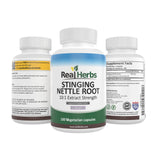
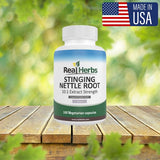
Real Herbs Stinging Nettle Root Extract delivers 750mg of 10:1 root extract per capsule, made for anyone looking to add a well-studied botanical to a healthy lifestyle. Suggested use: take 1-2 capsules daily with a meal, or as directed by your healthcare provider.
Shop Stinging Nettle Root Extract
Backed by our 30-Day Money-Back Guarantee.
Safety and Drug Interactions
Talk to your doctor before use if you:
- Take diabetes medications, since nettle may have an additive blood-sugar-lowering effect and increase the risk of hypoglycemia
- Take blood pressure medications or diuretics, since combining them with nettle could lower blood pressure further than intended
- Take blood thinners, as nettle may affect clotting
- Take lithium, as nettle's diuretic effect can change how the body clears it
Pregnancy and breastfeeding: Stinging nettle root is not recommended during pregnancy or while breastfeeding due to potential uterine-stimulating effects. Speak with your healthcare provider before use.
Children: This supplement is formulated for adults. It is not intended for children, and use in anyone under 18 should only happen under a doctor's guidance.
Stinging nettle root is a complementary supplement, not a replacement for prescribed diabetes, blood pressure, or cholesterol medication.
Frequently Asked Questions
Can stinging nettle root replace my diabetes or cholesterol medication?
No. The available human trials studied nettle as an addition to standard care, not a replacement for it. In the mixed-herb trial discussed above, for example, participants were explicitly required to already be on oral diabetes medication to take part. Never stop or adjust a prescribed medication without talking to your doctor.
Is the evidence for nettle root and metabolic health strong?
It's promising but limited. Most human trials are small, short-term (weeks rather than years), and conducted in people with existing type 2 diabetes rather than the general population. Lab and animal research offers additional mechanistic support, but that's a different kind of evidence than large human trials.
Does nettle leaf or nettle root matter for these effects?
Most of the human metabolic trials used leaf extract, while much of the root-specific research focuses on phytochemical composition rather than blood sugar or lipid outcomes directly. This is a meaningful distinction worth knowing if you're comparing products or research.
Who should be extra cautious with this supplement?
Anyone on diabetes, blood pressure, or blood-thinning medication should talk to a doctor first, given the potential for additive effects. The same goes for anyone who is pregnant, breastfeeding, or under 18.
The Bottom Line
Stinging nettle root has a genuine, if still-developing, body of research behind its role in metabolic health, including small human trials on blood sugar and lipids, and lab research on its anti-inflammatory and antioxidant activity. It is not a proven treatment for diabetes, high cholesterol, or high blood pressure, and the strongest evidence available is limited in scale. For most people, the most reasonable way to explore it is as a complementary addition to, not a substitute for, medical care and a healthy lifestyle.
Related Articles
- How Nettle Extract Supports Prostate Health
- Stinging Nettle Root for Men Over 40: Why It's a Must-Have
- Stinging Nettle Root: A Look at its Antioxidant and Nutrient Profile
Clinical References
- Samakar B, Mehri S, Hosseinzadeh H. A review of the effects of Urtica dioica (nettle) in metabolic syndrome. Iran J Basic Med Sci. 2022 May;25(5):543-553. PMID 35911652
- Chehri A, Yarani R, Yousefi Z, Novin Bahador T, Shakouri SK, Ostadrahimi A, Mobasseri M, Pociot F, Araj-Khodaei M. Anti-diabetic potential of Urtica Dioica: current knowledge and future direction. J Diabetes Metab Disord. 2022 Jan 13;21(1):931-940. PMID 35673511
- Devkota HP, Paudel KR, Khanal S, Baral A, Panth N, Adhikari-Devkota A, et al. Stinging Nettle (Urtica dioica L.): Nutritional Composition, Bioactive Compounds, and Food Functional Properties. Molecules. 2022 Aug 16;27(16):5219. PMID 36014458
- Martz F, Kankaanpää S. Stinging Nettle (Urtica dioica) Roots: The Power Underground - A Review. Plants (Basel). 2025 Jan 19;14(2):279. PMID 39861633
- Johnson TA, Sohn J, Inman WD, Bjeldanes LF, Rayburn K. Lipophilic stinging nettle extracts possess potent anti-inflammatory activity, are not cytotoxic and may be superior to traditional tinctures for treating inflammatory disorders. Phytomedicine. 2013 Jan;20(2):143-7. PMID 23092723
- Amiri Behzadi A, Kalalian-Moghaddam H, Ahmadi AH. Effects of Urtica dioica supplementation on blood lipids, hepatic enzymes and nitric oxide levels in type 2 diabetic patients: A double blind, randomized clinical trial. Avicenna J Phytomed. 2016 Nov-Dec;6(6):686-695. PMID 28078249
- Khalili N, Fereydoonzadeh R, Mohtashami R, Mehrzadi S, Heydari M, Huseini HF. Silymarin, Olibanum, and Nettle, A Mixed Herbal Formulation in the Treatment of Type II Diabetes: A Randomized, Double-Blind, Placebo-Controlled, Clinical Trial. J Evid Based Complementary Altern Med. 2017 Oct;22(4):603-608. PMID 29228792
Disclaimer: The information provided in this article is for educational purposes only and is not intended as medical advice. Always consult with a qualified healthcare professional before making any decisions about your health or starting any new supplement regimen, especially if you have diabetes, high blood pressure, or take prescription medication. These statements have not been evaluated by the Food and Drug Administration. This product is not intended to diagnose, treat, cure, or prevent any disease.
© 2026 Real Herbs. All rights reserved.
Ready to Try Real Herbs Stinging Nettle Root?
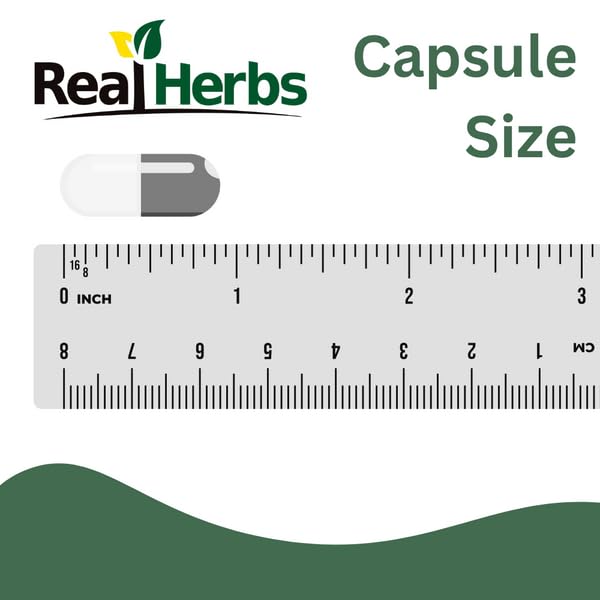
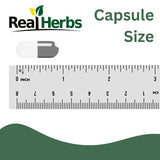
100 vegetarian capsules per bottle, a roughly 3-month supply at the suggested serving size.
Shop Stinging Nettle Root Extract
Backed by our 30-Day Money-Back Guarantee.