Managing BPH With Stinging Nettle Root: A Complete Guide
By Jessica Johnson, Herbal Science Researcher at Real Herbs | Updated: July 2026 | Reading time: 9 minutes

Key takeaway: Nettle root's BPH research covers multiple mechanisms, cell proliferation inhibition, SHBG modulation, anti-inflammatory activity, and Na+,K+-ATPase effects, each with its own distinct supporting citations. Multiple human trials support real symptom improvement, including a 12-month study and combination research with other herbs.
Finding Natural Relief for Prostate Problems
Benign prostatic hyperplasia (BPH), a non-cancerous enlargement of the prostate gland, causes frustrating urinary symptoms for many men as they age. Stinging nettle root (Urtica dioica) has a long traditional history alongside a real, multi-mechanism body of modern research.
Mechanisms of Action: How Stinging Nettle Root Benefits BPH
Nettle root's therapeutic effects on the prostate come from a complex profile of bioactive compounds, including lignans, phytosterols, and polysaccharides (PMID 17509841).
- Inhibition of prostate cell proliferation: Nettle root extract directly inhibits the growth of human prostate cells in vitro (PMID 10705733). Animal studies show similar effects, with nettle root reducing experimentally induced prostatic hyperplasia (PMID 9270373, PMID 21806658).
- Modulation of SHBG: Nettle root lignans bind to sex hormone-binding globulin (SHBG), the protein that transports sex hormones in the bloodstream (PMID 7700987), potentially affecting the balance of bound versus free testosterone.
- Anti-inflammatory effects: Inflammation within the prostate gland contributes to BPH symptoms. Nettle root's documented anti-inflammatory properties are relevant to reducing this inflammation (PMID 17509841).
- Influence on cell membrane pumps: Nettle root extract affects Na+,K+-ATPase, an enzyme in prostate cell membranes (PMID 7510891), potentially relevant to regulating prostate cell activity.
Scientific Evidence for BPH and Urinary Function
Nettle root's efficacy for BPH is supported by multiple clinical trials, particularly for urinary symptom improvement.
Important Considerations for Prostate Health
- Medical diagnosis is crucial: Urinary symptoms can stem from various conditions, including prostate cancer. Always consult a urologist or healthcare provider for proper diagnosis before self-treating.
- Dosage and form: Use a high-quality, standardized root extract in capsule or tablet form, and follow the dosage instructions on the product label.
- Consistency is key: Benefits are typically seen with consistent, long-term use over several weeks to months (PMID 16635963).
- Potential drug interactions: Nettle can interact with medications for blood pressure, diabetes, and blood thinning. Always inform your doctor about all supplements you're taking.
Frequently Asked Questions
How long before I notice results for BPH symptoms?
Based on the clinical trials, expect gradual improvement over weeks to months, with the clearest, most sustained results reported in trials following patients for 6 to 12 months of consistent use.
Should I combine nettle root with other prostate herbs?
Combination approaches, particularly with saw palmetto or Pygeum africanum, have their own research support and are a reasonable option. Discuss this with a healthcare provider, especially if you're also taking prescription BPH medication.
Support Prostate Health With Real Herbs Stinging Nettle Root
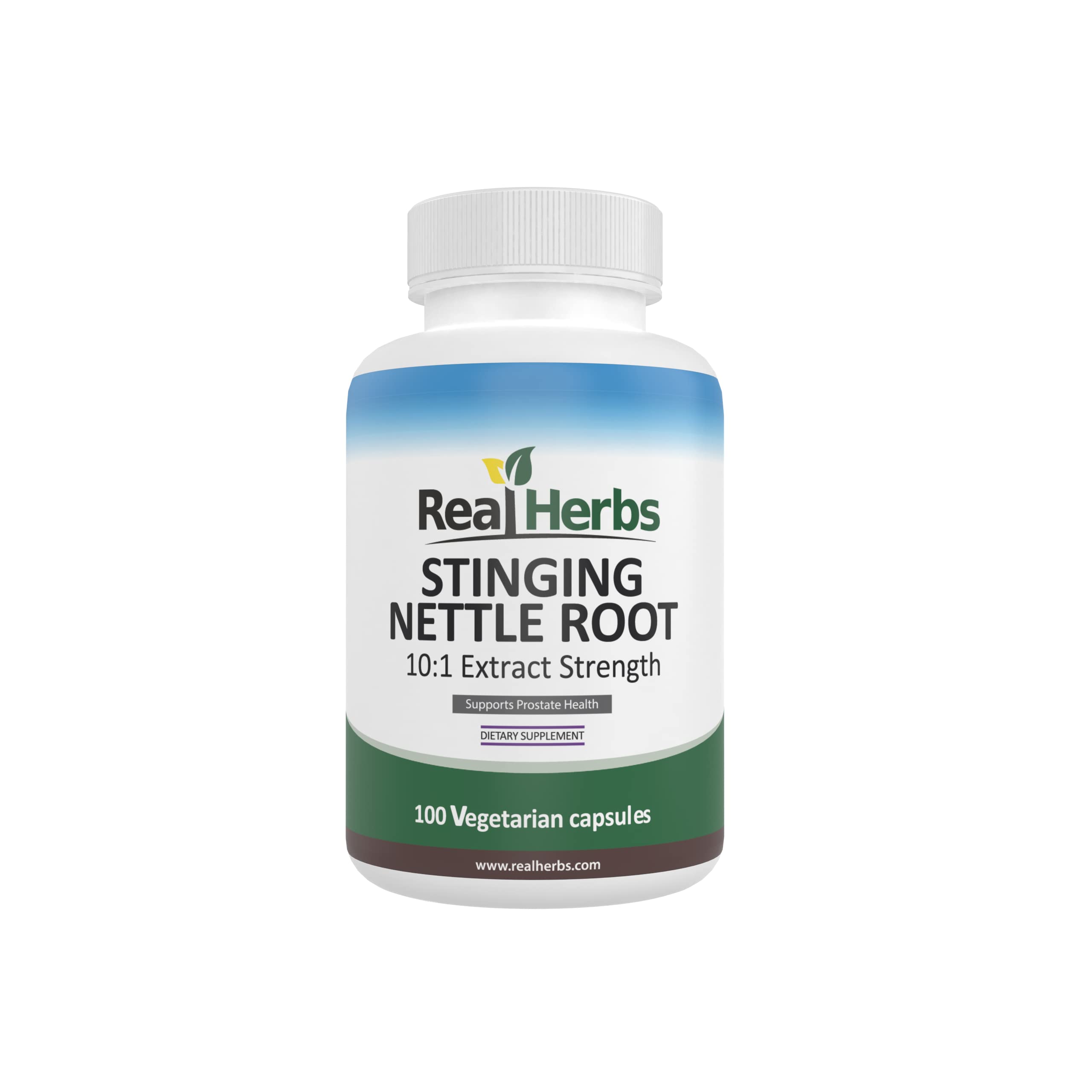
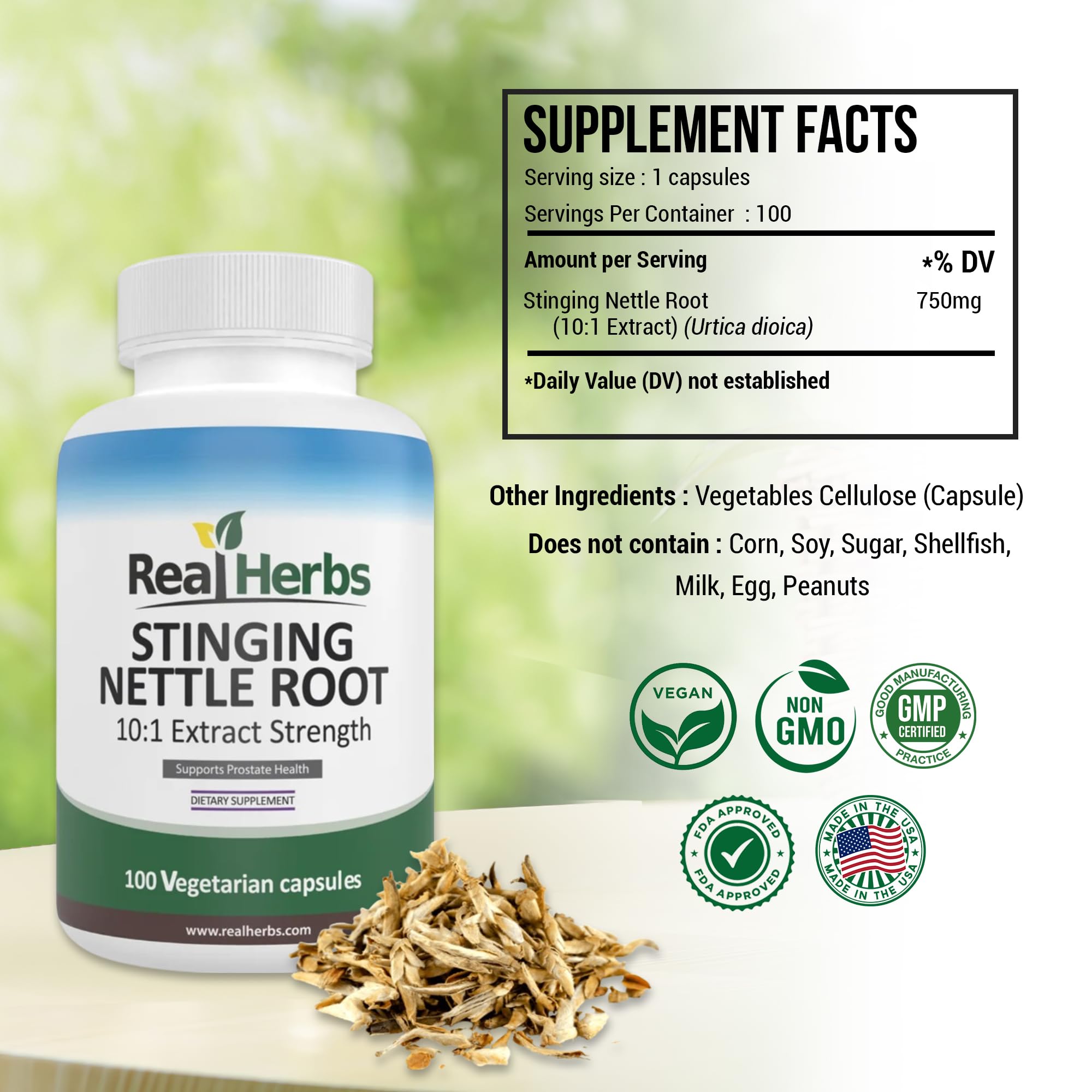
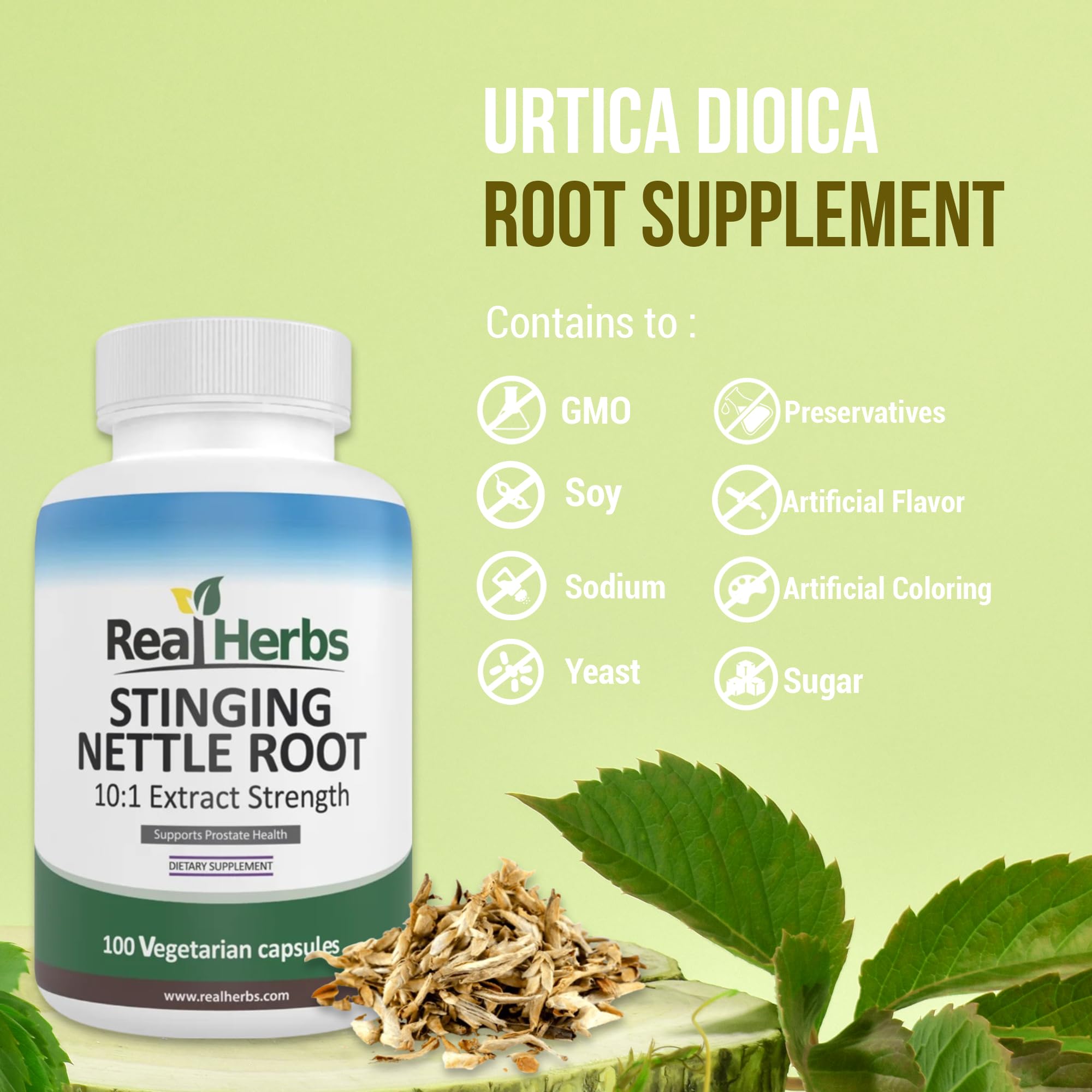
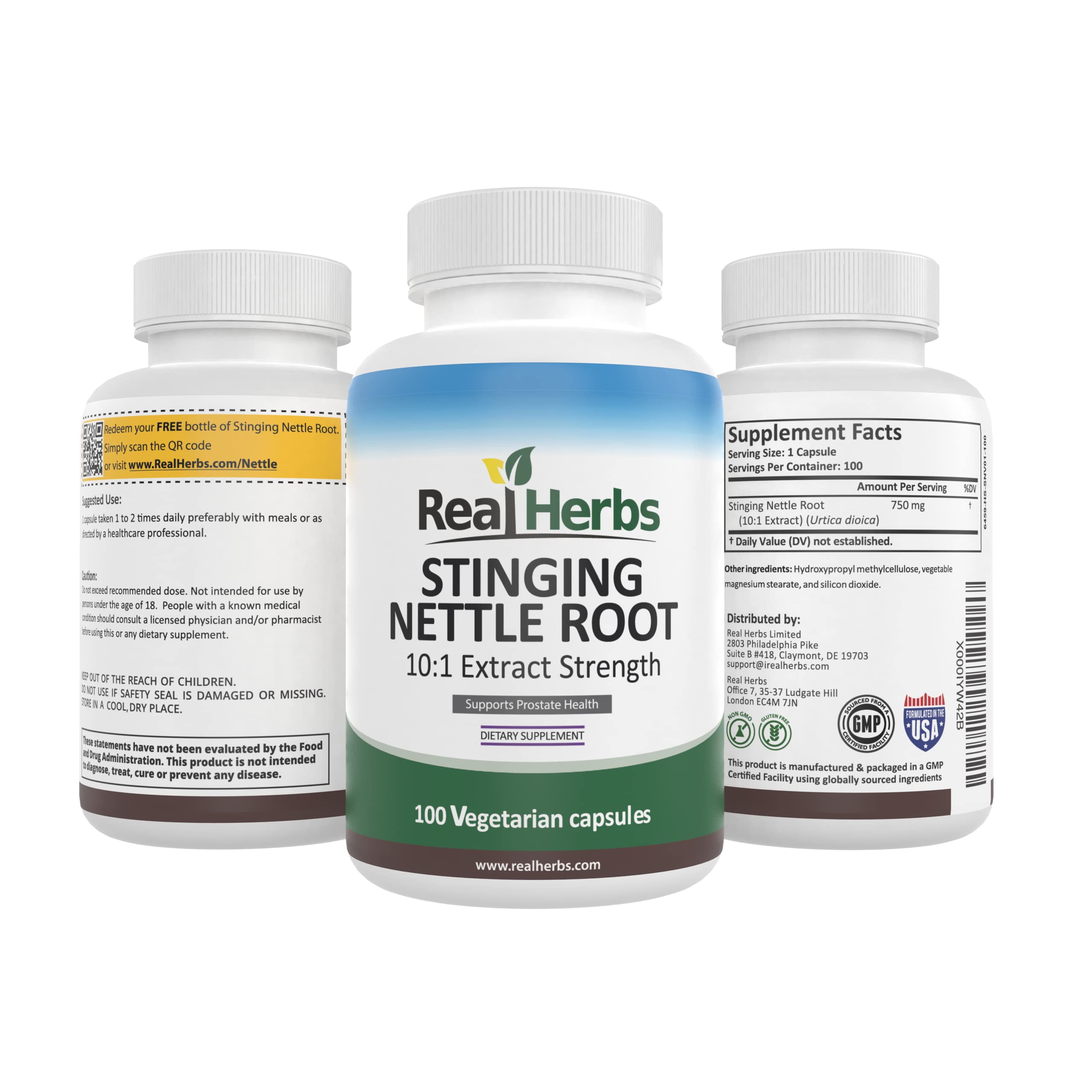
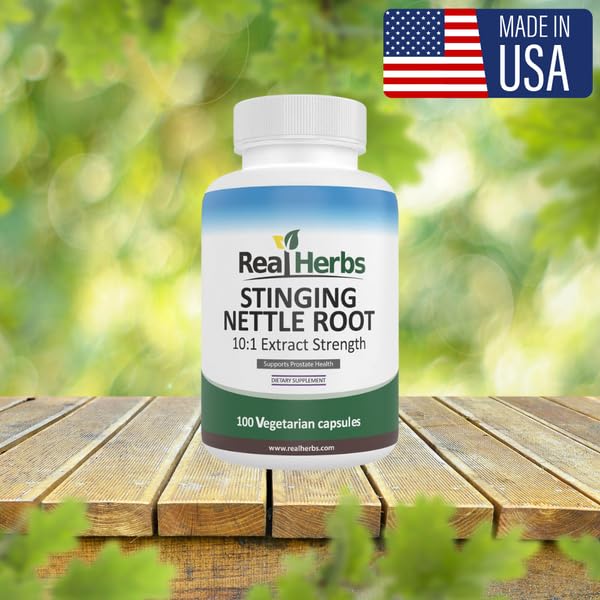
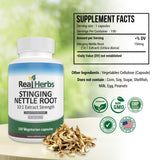
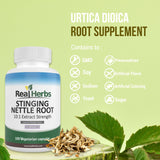
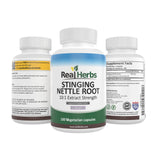
Real Herbs Stinging Nettle Root Extract delivers 750mg of 10:1 root extract per capsule. Suggested use: take 1-2 capsules daily with a meal, or as directed by your healthcare provider.
Shop Stinging Nettle Root Extract
Backed by our 30-Day Money-Back Guarantee.
Related Articles
- How Nettle Extract Supports Prostate Health
- The Lignan Connection: How Stinging Nettle Root Fights Prostate Enlargement
Clinical References
- Safarinejad MR. Urtica dioica for treatment of benign prostatic hyperplasia: a prospective, randomized, double-blind, placebo-controlled, crossover study. J Herb Pharmacother. 2005;5(4):1-11. PMID 16635963
- Chrubasik JE, Roufogalis BD, Wagner H, Chrubasik S. A comprehensive review on the stinging nettle effect and efficacy profiles. Part II: urticae radix. Phytomedicine. 2007 Aug;14(7-8):568-79. PMID 17509841
- Hryb DJ, Khan MS, Romas NA, Rosner W. The effect of extracts of the roots of the stinging nettle (Urtica dioica) on the interaction of SHBG with its receptor on human prostatic membranes. Planta Med. 1995 Feb;61(1):31-2. PMID 7700987
- Konrad L, Muller HH, Lenz C, Laubinger H, Aumuller G, Lichius JJ. Antiproliferative effect on human prostate cancer cells by a stinging nettle root (Urtica dioica) extract. Planta Med. 2000 Feb;66(1):44-7. PMID 10705733
- Hirano T, Homma M, Oka K. Effects of stinging nettle root extracts and their steroidal components on the Na+,K+-ATPase of the benign prostatic hyperplasia. Planta Med. 1994 Feb;60(1):30-3. PMID 7510891
- Melo EA, Bertero EB, Rios LAS, et al. Evaluating the efficiency of a combination of Pygeum africanum and stinging nettle (Urtica dioica) extracts in treating benign prostatic hyperplasia: double-blind, randomized, placebo-controlled trial. Int Braz J Urol. 2002 Sep-Oct;28(5):418-25. PMID 15748367
- Schneider T, Rubben H. Stinging nettle root extract (Bazoton-uno) in long term treatment of benign prostatic syndrome (BPS). Results after 12 months, randomized, double-blind, placebo-controlled multicenter study. Urologe A. 2004 Mar;43(3):302-6. PMID 15045190
- Ghorbanibirgani A, Khalili A, Zamani L. The efficacy of stinging nettle (Urtica dioica) in patients with benign prostatic hyperplasia: a randomized double-blind study in 100 patients. Iran Red Crescent Med J. 2013 Jan;15(1):9-10. PMID 23487561
- Lichius JJ, Muth C. The inhibiting effects of Urtica dioica root extracts on experimentally induced prostatic hyperplasia in the mouse. Planta Med. 1997 Aug;63(4):307-10. PMID 9270373
- Koch E. Extracts from fruits of saw palmetto (Sabal serrulata) and roots of stinging nettle (Urtica dioica): viable alternatives in the medical treatment of benign prostatic hyperplasia and associated lower urinary tract symptoms. Planta Med. 2001;67(6):489-500. PMID 11509966
- Nahata A, Dixit VK. Ameliorative effects of stinging nettle (Urtica dioica) on testosterone-induced prostatic hyperplasia in rats. Andrologia. 2012 May;44 Suppl 1:396-409. PMID 21806658
Disclaimer: The information provided in this article is for educational purposes only and is not intended as medical advice. Always consult with a qualified healthcare professional before making any decisions about your health or starting any new supplement regimen. These statements have not been evaluated by the Food and Drug Administration. This product is not intended to diagnose, treat, cure, or prevent any disease.
© 2026 Real Herbs. All rights reserved.