Boosting Urinary Flow: How Stinging Nettle Root Helps
By Jessica Johnson, Herbal Science Researcher at Real Herbs | Updated: July 2026 | Reading time: 9 minutes

Key takeaway: Nettle root's effects on urinary flow are supported by real research across several distinct mechanisms and multiple human trials, including a 12-month study and combination research with other herbs. Each mechanism has its own specific supporting citation, worth knowing accurately rather than as an interchangeable set.
Understanding Urinary Flow Issues in Men
Many men, especially those over 50, experience urinary symptoms tied to benign prostatic hyperplasia (BPH) or other lower urinary tract symptoms (LUTS): weak stream, frequent urination, and urgency. Stinging nettle root (Urtica dioica) has real research support for improving urinary flow and bladder health.
Mechanisms of Action: The Science Behind the Benefits
- Relieving BPH symptoms: An enlarged prostate is often the primary cause of poor urinary flow. Nettle root's documented effects on inflammatory pathways and prostate tissue are relevant to addressing this underlying pressure on the urethra (PMID 17509841).
- Anti-inflammatory effects: Inflammation of the prostate, bladder, or urethra can cause swelling and irritation, contributing to LUTS. Nettle root's documented anti-inflammatory properties are relevant here (PMID 17509841, PMID 11509966).
- Modulating cellular activity: In vitro research found nettle root extracts affect the Na+,K+-ATPase pump in prostate cell membranes (Hirano T, Homma M, Oka K. Planta Med. 1994 Feb;60(1):30-3. PMID 7510891), a mechanism relevant to prostate tissue function and, by extension, pressure on the urethra.
Clinical Evidence for Improved Urinary Function
- Reduced urinary frequency: A 12-month, randomized, double-blind study found nettle root extract significantly improved urinary symptoms, including nocturia associated with BPH (PMID 15045190). A separate randomized, double-blind trial in 100 patients found similar positive effects on urinary symptoms (PMID 23487561).
- Improved urine flow rate: Multiple studies report improvements in International Prostate Symptom Score (IPSS), which measures urinary symptoms including flow rate and bladder emptying (PMID 23487561, PMID 16635963). A comprehensive review supports nettle root extracts as a viable option for treating LUTS associated with BPH (PMID 17509841).
- Complementary therapy: Nettle root is often combined with other herbs to enhance therapeutic effects. A double-blind trial found a combination of nettle root and Pygeum africanum effective for treating BPH (PMID 15748367). A separate review discusses nettle root combined with saw palmetto (Sabal serrulata) as a viable alternative for BPH and associated LUTS (PMID 11509966).
Practical Advice for Boosting Urinary Flow
- Consult a healthcare professional: Urinary symptoms can signal other health issues, so proper diagnosis is essential before self-treating.
- Choose the right form: Most research uses concentrated root extracts in capsule or tablet form, which provide a more consistent dose than teas.
- Be consistent: Benefits typically become noticeable after weeks to months of consistent daily use, consistent with how the clinical trials were conducted.
- Follow dosage guidance: Adhere to label recommendations and your healthcare provider's guidance.
Frequently Asked Questions
Is nettle root combined with saw palmetto or Pygeum africanum?
Research exists for both, but they're different combinations from different studies. A trial combining nettle root with Pygeum africanum found benefits for BPH symptoms; a separate review discusses nettle root combined with saw palmetto. They haven't been directly compared against each other in the same trial.
How reliable is the evidence for improved urine flow specifically?
Reasonably strong. Multiple trials measure IPSS, a validated symptom score that includes flow-related items, and a 12-month trial supports sustained benefit. It's genuine, multi-trial evidence, not a single isolated finding.
Support Urinary Flow With Real Herbs Stinging Nettle Root
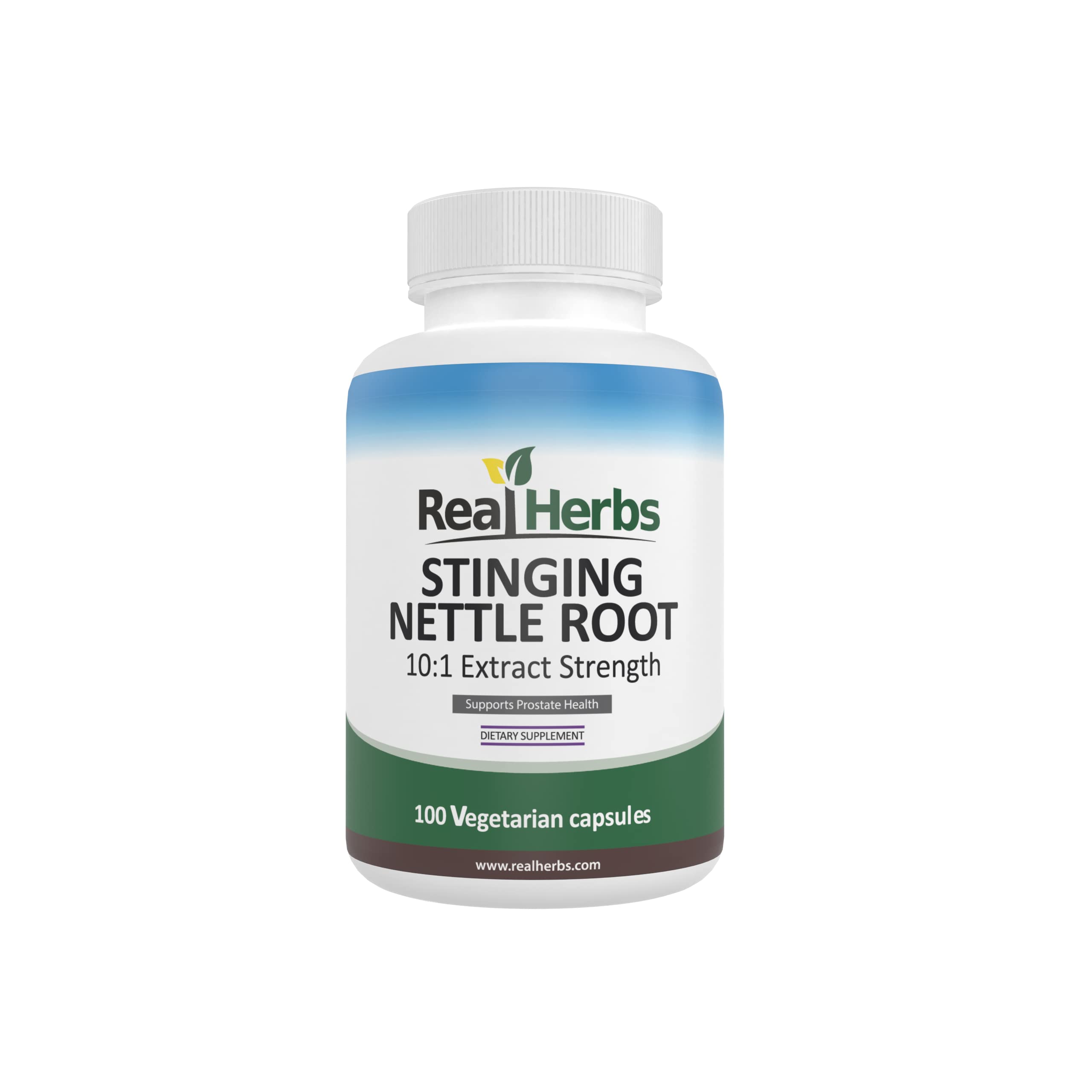
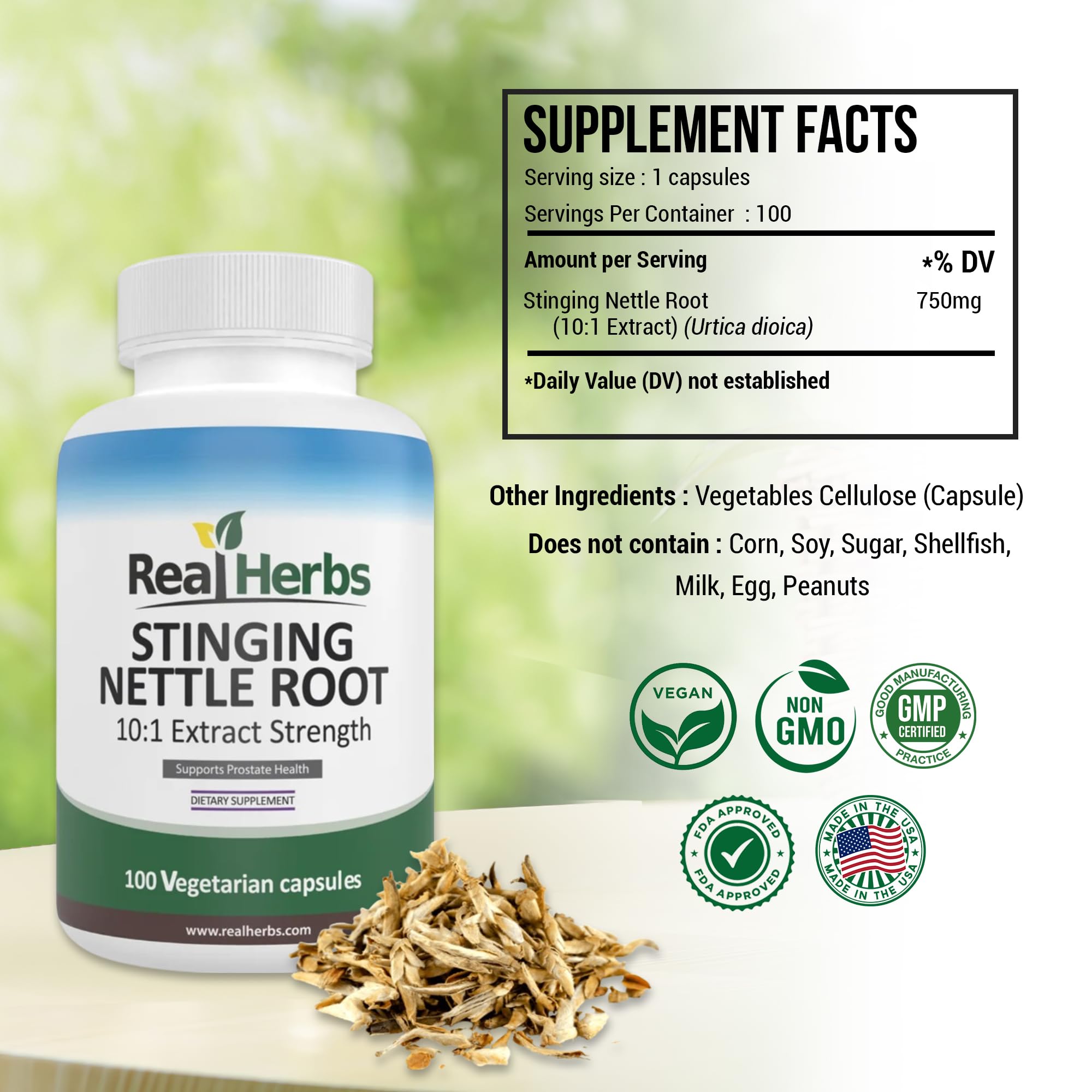
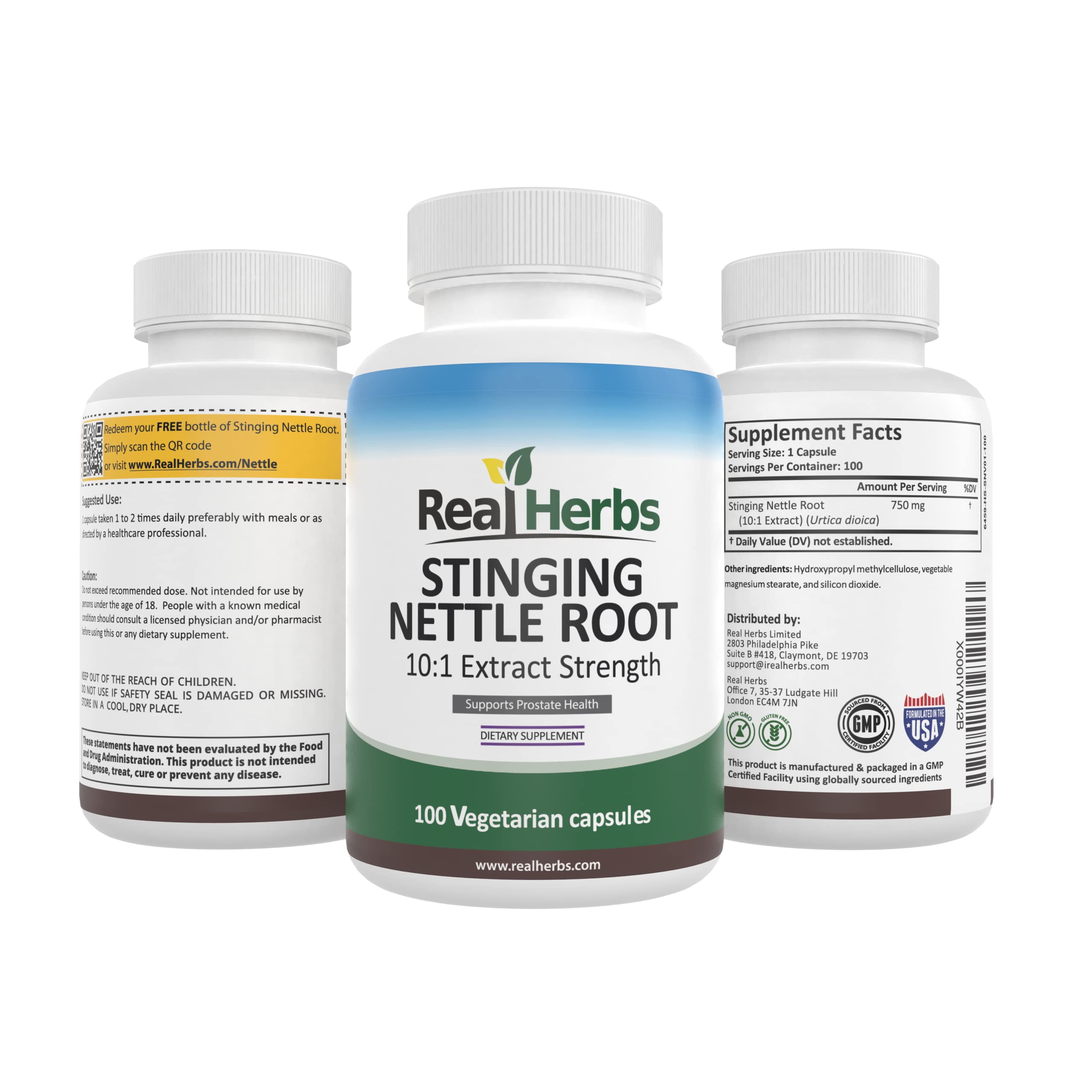
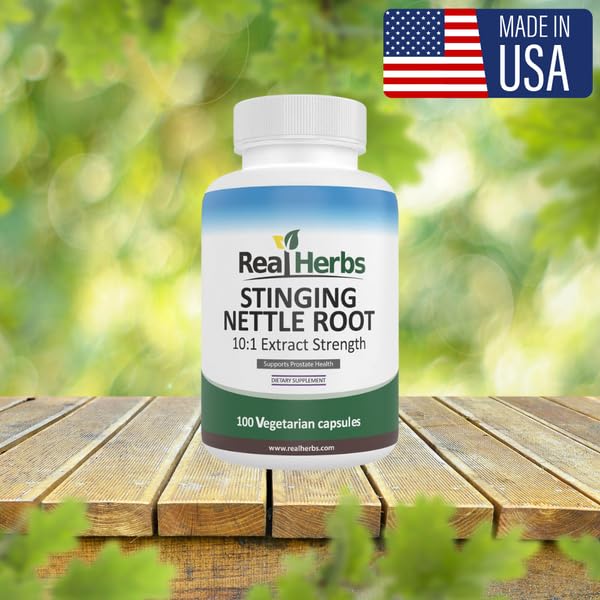
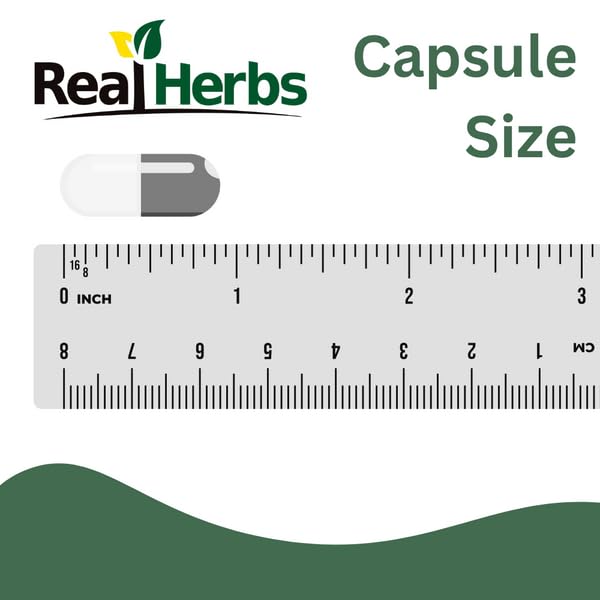
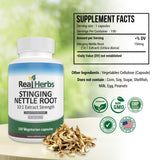
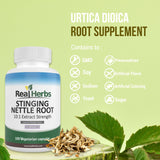
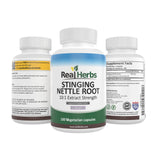
Real Herbs Stinging Nettle Root Extract delivers 750mg of 10:1 root extract per capsule. Suggested use: take 1-2 capsules daily with a meal, or as directed by your healthcare provider.
Shop Stinging Nettle Root Extract
Backed by our 30-Day Money-Back Guarantee.
Related Articles
- How Nettle Extract Supports Prostate Health
- The Diuretic Properties of Stinging Nettle Root Explained
Clinical References
- Schneider T, Rubben H. Stinging nettle root extract (Bazoton-uno) in long term treatment of benign prostatic syndrome (BPS). Results after 12 months, randomized, double-blind, placebo controlled multicenter study. Urologe A. 2004 Mar;43(3):302-6. PMID 15045190
- Koch E. Extracts from fruits of saw palmetto (Sabal serrulata) and roots of stinging nettle (Urtica dioica): viable alternatives in the medical treatment of benign prostatic hyperplasia and associated lower urinary tract symptoms. Planta Med. 2001 Aug;67(6):489-500. PMID 11509966
- Melo EA, Bertero EB, Rios LAS, et al. Evaluating the efficiency of a combination of Pygeum africanum and stinging nettle (Urtica dioica) extracts in treating benign prostatic hyperplasia (BPH): double-blind, randomized, placebo controlled trial. Int Braz J Urol. 2002 Sep-Oct;28(5):418-25. PMID 15748367
- Ghorbanibirgani A, Khalili A, Zamani L. The efficacy of stinging nettle (Urtica dioica) in patients with benign prostatic hyperplasia: a randomized double-blind study in 100 patients. Iran Red Crescent Med J. 2013 Jan;15(1):9-10. PMC3589769
- Chrubasik JE, Roufogalis BD, Wagner H, Chrubasik S. A comprehensive review on the stinging nettle effect and efficacy profiles. Part II: urticae radix. Phytomedicine. 2007 Aug;14(7-8):568-79. PMID 17509841
- Safarinejad MR. Urtica dioica for treatment of benign prostatic hyperplasia: a prospective, randomized, double-blind, placebo-controlled, crossover study. J Herb Pharmacother. 2005;5(4):1-11. PMID 16635963
- Hirano T, Homma M, Oka K. Effects of stinging nettle root extracts and their steroidal components on the Na+,K+-ATPase of the benign prostatic hyperplasia. Planta Med. 1994 Feb;60(1):30-3. PMID 7510891
Disclaimer: The information provided in this article is for educational purposes only and is not intended as medical advice. Always consult with a qualified healthcare professional before making any decisions about your health or starting any new supplement regimen. These statements have not been evaluated by the Food and Drug Administration. This product is not intended to diagnose, treat, cure, or prevent any disease.
© 2026 Real Herbs. All rights reserved.