How Stinging Nettle Root's Anti-Inflammatory Power Works
By Jessica Johnson, Herbal Science Researcher at Real Herbs | Updated: July 2026 | Reading time: 8 minutes

Key takeaway: Nettle's anti-inflammatory research covers real mechanisms, NF-κB inhibition, COX modulation, and antioxidant activity, though some of the most-cited mechanism studies used leaf extract, and root's own lipophilic anti-inflammatory activity was more modest than other parts of the plant tested in the same study. The science is genuine; it's just worth representing precisely.
Understanding the Power of Anti-Inflammatory Action
Chronic inflammation contributes to joint pain, arthritis, seasonal allergies, and other systemic concerns. Stinging nettle root (Urtica dioica) has a long history of use for its anti-inflammatory properties, and real research behind several of its proposed mechanisms.
The Core Mechanism: Inhibiting the Inflammatory Cascade
- NF-κB inhibition: NF-κB is a transcription factor that, when activated, turns on genes producing pro-inflammatory cytokines and enzymes. Research has found nettle extract inhibits this pathway, in a study using leaf extract in the context of rheumatoid arthritis (PMID 9923611).
- Affecting key enzymes: Separate in vitro research found nettle extract affects receptors and enzymes including cyclooxygenase (COX-1 and COX-2), the same general targets as many conventional anti-inflammatory drugs. This research is generally understood in the literature as leaf-based, studied in the context of allergic rhinitis (PMID 19140159).
This body of research supports nettle's traditional reputation as an antirheumatic remedy (PMID 17509841, PMC10970493).
Antioxidant and Lipophilic Power
Chronic inflammation is closely linked to oxidative stress. Nettle root addresses this through its antioxidant profile and lipophilic (fat-soluble) compounds.
- Antioxidant properties: Nettle root contains flavonoids, phenols, and other antioxidant compounds that help neutralize free radicals (PMID 36014458), relevant to breaking the cycle between inflammation and oxidative stress (PMC10176313).
- Lipophilic extracts, precisely represented: A study examined lipophilic extracts from nettle root, stem, leaf, and flower for anti-inflammatory activity. It's worth being specific: the flowering portion showed the strongest effect, while root specifically showed more moderate to weak activity by comparison. The study's own conclusion is that lipophilic extraction methods "may be superior" to traditional tinctures, a hedged finding rather than a flat claim of superiority (PMID 23092723). This is genuinely useful research, just worth representing accurately rather than implying uniform potency across all plant parts.
Connecting the Science to Health Benefits
- Joint health and arthritis relief: Inflammation is a primary driver of joint pain. Nettle's documented effects on inflammatory pathways are relevant to conditions like arthritis (PMID 17509841, PMID 36014458).
- Allergy relief: The receptor and enzyme research described above is relevant to allergic rhinitis symptoms specifically, though it's worth remembering this research is leaf-based (PMID 19140159).
- Systemic wellness: Nettle's broader anti-inflammatory and antioxidant properties are relevant to general wellness, supporting the body's management of chronic low-grade inflammation.
Frequently Asked Questions
Is the anti-inflammatory research for nettle root or nettle leaf?
Both, from different studies. The NF-κB and receptor/enzyme mechanism research is generally leaf-based. Root has its own documented lipophilic anti-inflammatory activity, though more modest than the flowering portion tested in the same study. Root's broader phytochemical and traditional-use case remains genuine, just worth representing with the right citations attached to the right plant part.
Does this mean nettle root isn't anti-inflammatory?
No, root does have documented anti-inflammatory activity of its own. The point is precision: some frequently-cited mechanism studies used leaf, and even root's own lipophilic-extract study found it more modest than the flowering portion tested in the same research, details worth knowing rather than glossing over.
Support Your Body's Inflammatory Response
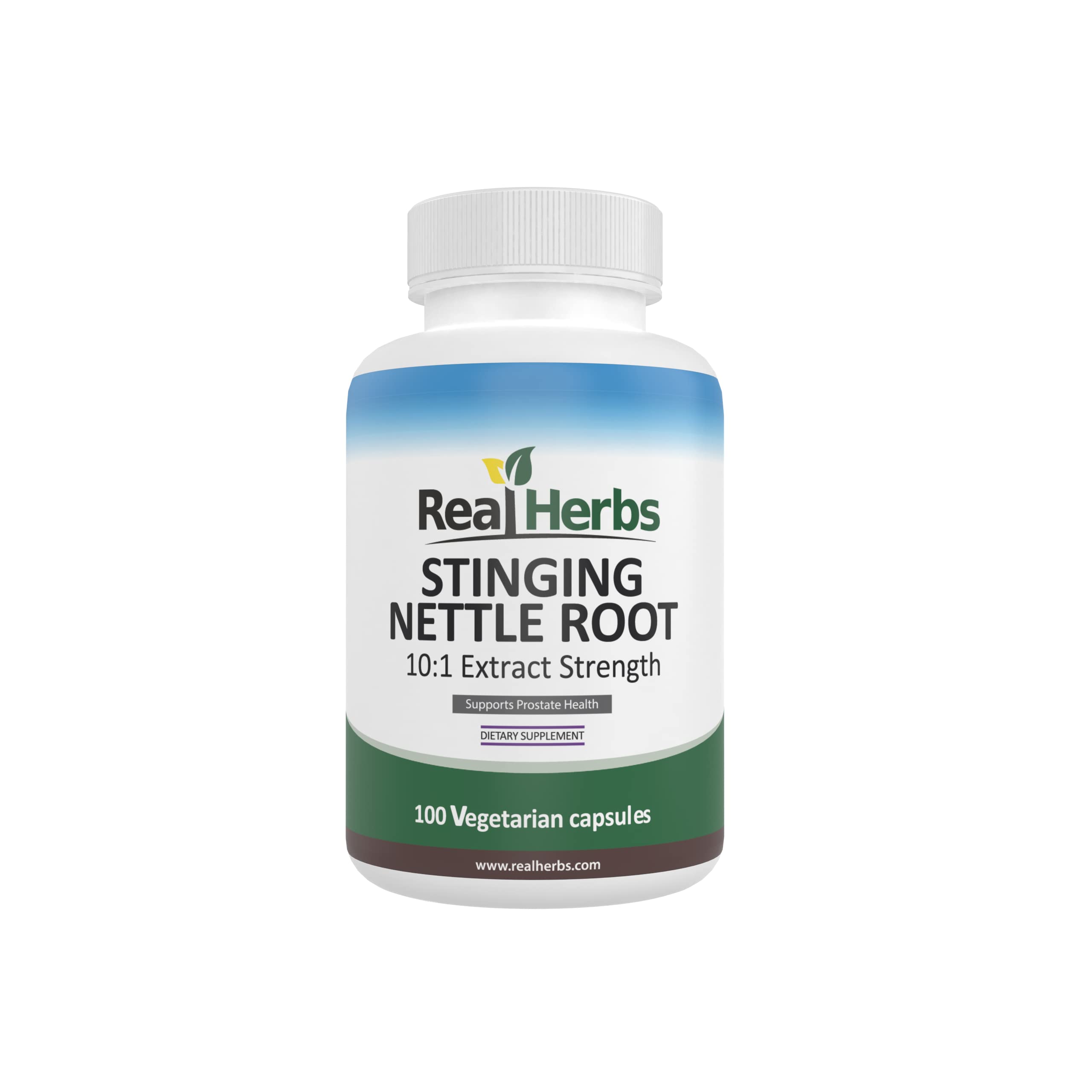
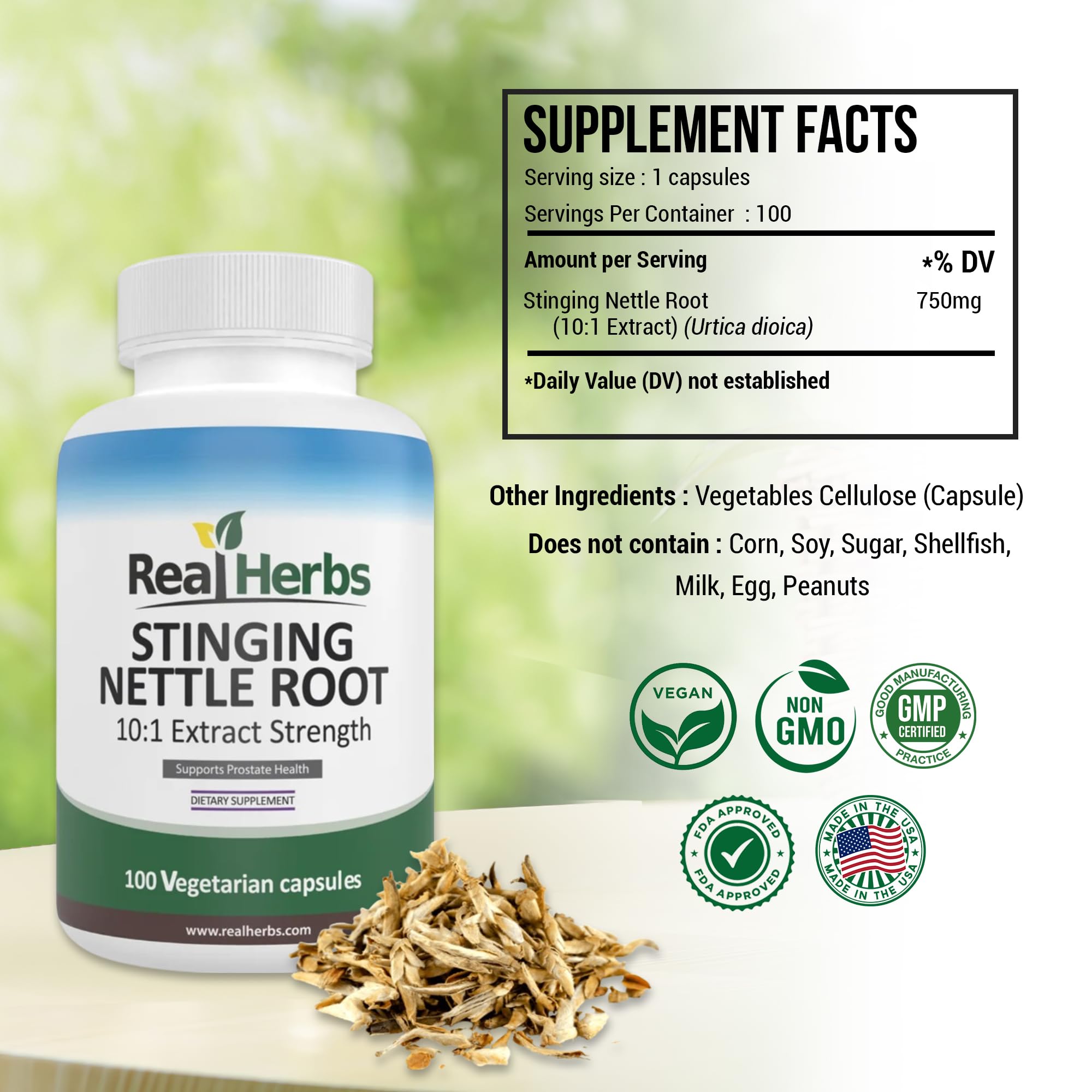
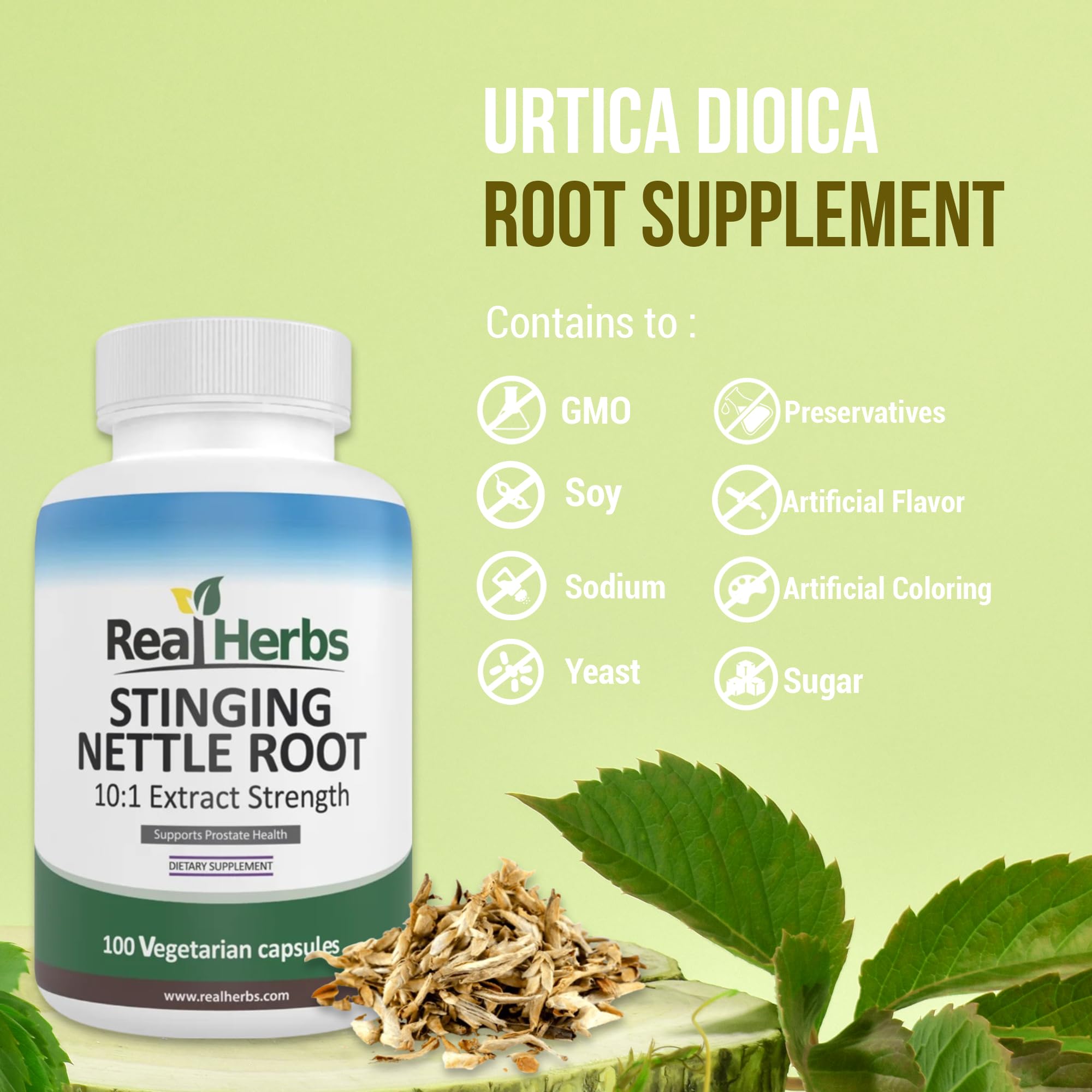
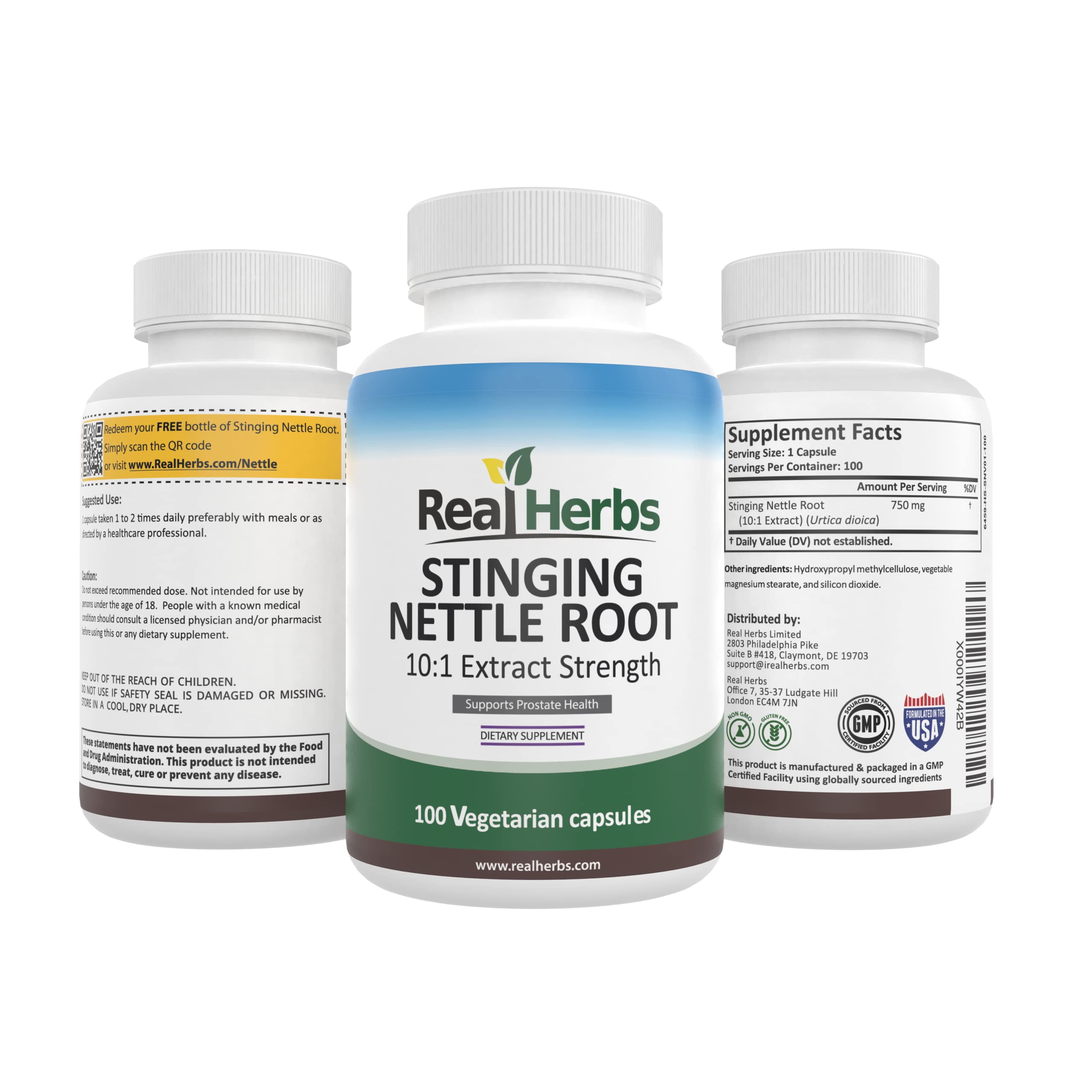
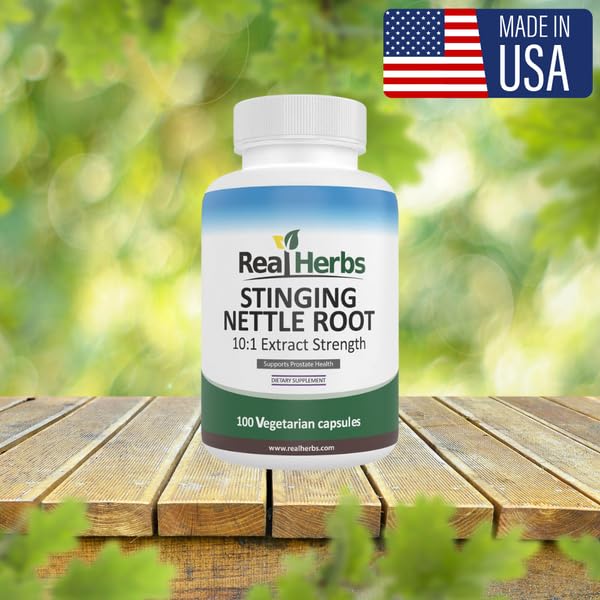
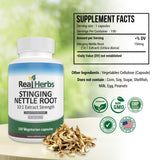
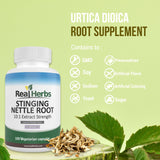
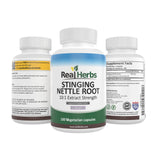
Real Herbs Stinging Nettle Root Extract delivers 750mg of 10:1 root extract per capsule. Suggested use: take 1-2 capsules daily with a meal, or as directed by your healthcare provider.
Shop Stinging Nettle Root Extract
Backed by our 30-Day Money-Back Guarantee.
Related Articles
- Beyond Allergies: The Anti-Inflammatory Benefits of Stinging Nettle Root
- How Nettle Extract Supports Prostate Health
Clinical References
- Chrubasik JE, Roufogalis BD, Wagner H, Chrubasik S. A comprehensive review on the stinging nettle effect and efficacy profiles. Part II: urticae radix. Phytomedicine. 2007 Aug;14(7-8):568-79. PMID 17509841
- Johnson TA, Sohn J, Inman WD, Bjeldanes LF, Rayburn K. Lipophilic stinging nettle extracts possess potent anti-inflammatory activity, are not cytotoxic and may be superior to traditional tinctures for treating inflammatory disorders. Phytomedicine. 2013 Jan;20(2):143-7. PMID 23092723
- Riehemann K, Behnke B, Schulze-Osthoff K. Plant extracts from stinging nettle (Urtica dioica), an antirheumatic remedy, inhibit the proinflammatory transcription factor NF-κB. FEBS Lett. 1999 Jan 8;442(1):89-94. PMID 9923611
- Roschek B Jr, Fink RC, McMichael M, Alberte RS. Nettle extract (Urtica dioica) affects key receptors and enzymes associated with allergic rhinitis. Phytother Res. 2009 Jul;23(7):920-6. PMID 19140159
- Devkota HP, Paudel KR, Khanal S, et al. Stinging Nettle (Urtica dioica L.): Nutritional Composition, Bioactive Compounds, and Food Functional Properties. Molecules. 2022 Aug 16;27(16):5219. PMID 36014458
- Semwal P, Rauf A, Olatunde A, et al. The medicinal chemistry of Urtica dioica L.: from preliminary evidence to clinical studies supporting its neuroprotective activity. Nat Prod Bioprospect. 2023 May 12;13(1):16. PMC10176313
- Đurović S, Kojić I, Radić D, Smyatskaya YA, Bazarnova JG, Filip S, Tosti T. Chemical Constituents of Stinging Nettle (Urtica dioica L.): A Comprehensive Review on Phenolic and Polyphenolic Compounds and Their Bioactivity. Int J Mol Sci. 2024 Mar 18;25(6):3430. PMC10970493
Disclaimer: The information provided in this article is for educational purposes only and is not intended as medical advice. Always consult with a qualified healthcare professional before making any decisions about your health or starting any new supplement regimen. These statements have not been evaluated by the Food and Drug Administration. This product is not intended to diagnose, treat, cure, or prevent any disease.
© 2026 Real Herbs. All rights reserved.