A Natural Remedy for Seasonal Allergies: Nettle Root
By Jessica Johnson, Herbal Science Researcher at Real Herbs | Updated: July 2026 | Reading time: 8 minutes

Key takeaway: Nettle has real research behind its use for seasonal allergies, in vitro mechanism studies and two human trials with genuinely positive but more modest results than typical "natural remedy" framing suggests. It's a reasonable option to try alongside, not necessarily instead of, conventional approaches.
Understanding the Challenge of Seasonal Allergies
For many people, spring and summer bring the familiar symptoms of seasonal allergies: sneezing, itchy eyes, a runny nose, and congestion, triggered by an overactive immune response to allergens like pollen. Stinging nettle root (Urtica dioica) has a long history of use for anti-allergic properties, worth examining against what the actual research shows.
The Anti-Allergy Mechanism: How Nettle Root May Help
- Natural antihistamine action: In vitro research has found nettle extract affects receptors and enzymes involved in the allergic inflammatory pathway, including antagonist activity at the Histamine-1 receptor (PMID 19140159). This research is generally understood in the literature as leaf-based.
- Inhibition of inflammatory enzymes: The same research found nettle extract inhibits cyclooxygenase (COX-1 and COX-2), enzymes central to producing inflammatory mediators that contribute to allergy symptoms (PMID 19140159).
- Broader phytochemical relevance: Nettle's documented phytochemical profile, including flavonoids and phenolic compounds, is relevant background to its anti-inflammatory reputation generally (PMID 35800714, PMID 36014458).
Clinical Evidence: What the Trials Actually Found
- Root extract trial, a nuanced result: A randomized, double-blind, placebo-controlled trial enrolled 74 allergic rhinitis patients to test stinging nettle root extract over one month, though only 40 completed the full trial (PMID 29844782). Both the nettle and placebo groups showed significant improvement in overall symptom severity, so nettle didn't clearly outperform placebo on that measure specifically. What did favor nettle was a significant reduction in nasal eosinophil count, an inflammatory marker not improved by placebo. This is genuine root-specific evidence, just more modest and mixed than "reduced allergy symptoms" alone would suggest.
- Freeze-dried whole-herb trial, also more modest than often described: A separate double-blind trial of freeze-dried Urtica dioica found participants rated it higher than placebo in an overall global assessment, but the more objective daily symptom diary data showed only a slight difference between nettle and placebo (PMID 2192379). This is real, positive evidence, but the trial didn't report results broken down by specific symptoms like sneezing or itching.
Together, the mechanism research and these two trials provide a real, if modest, case for nettle root as a natural anti-allergy option. It's generally well-tolerated, which is part of its appeal even where the measured effect is smaller than marketing language often implies.
Stinging Nettle Root vs. Leaf for Allergies
Both leaf and root have research support here, from different studies. The in vitro mechanism research (H1 receptor, COX inhibition) is generally understood as leaf-based; the most direct root-specific clinical evidence is the Bakhshaee trial above. Root's phytochemical profile, including lignans and sterols, is well-documented (PMID 35800714, PMID 36014458), though this reflects general phytochemistry rather than allergy-specific findings on its own.
Frequently Asked Questions
How strong is the evidence that nettle root helps with seasonal allergies?
Real, but modest. The clearest root-specific human trial found a significant benefit on an inflammatory marker (nasal eosinophils) rather than overall symptoms clearly beating placebo. That's genuine evidence, just more measured than "natural remedy" framing sometimes implies.
Should I stop taking my regular allergy medication if I try nettle root?
No. Talk to a doctor before changing a prescribed or regularly used allergy medication. Nettle root is worth considering as a complementary option, not a replacement, based on the current evidence.
Try a Standardized Nettle Root Extract
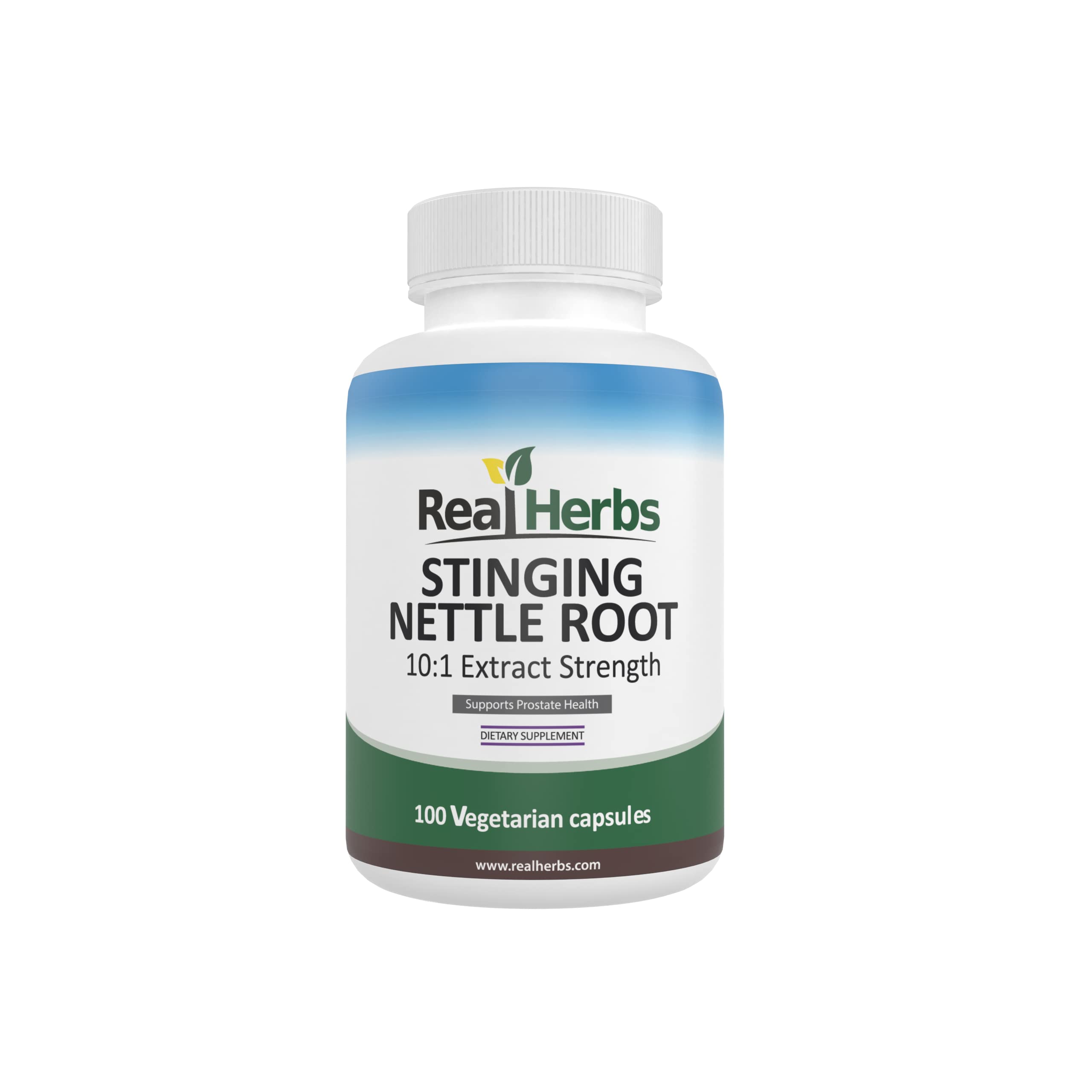
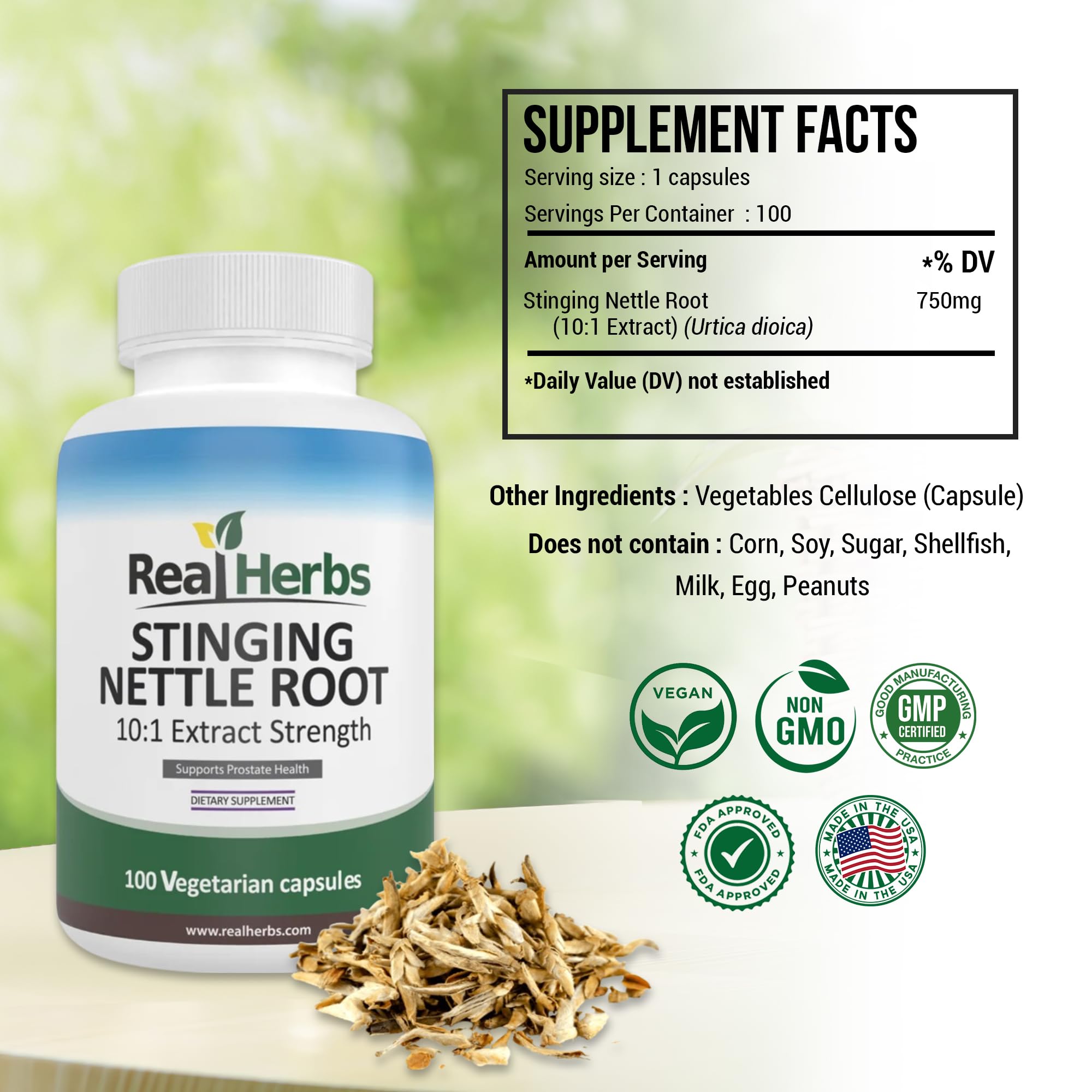
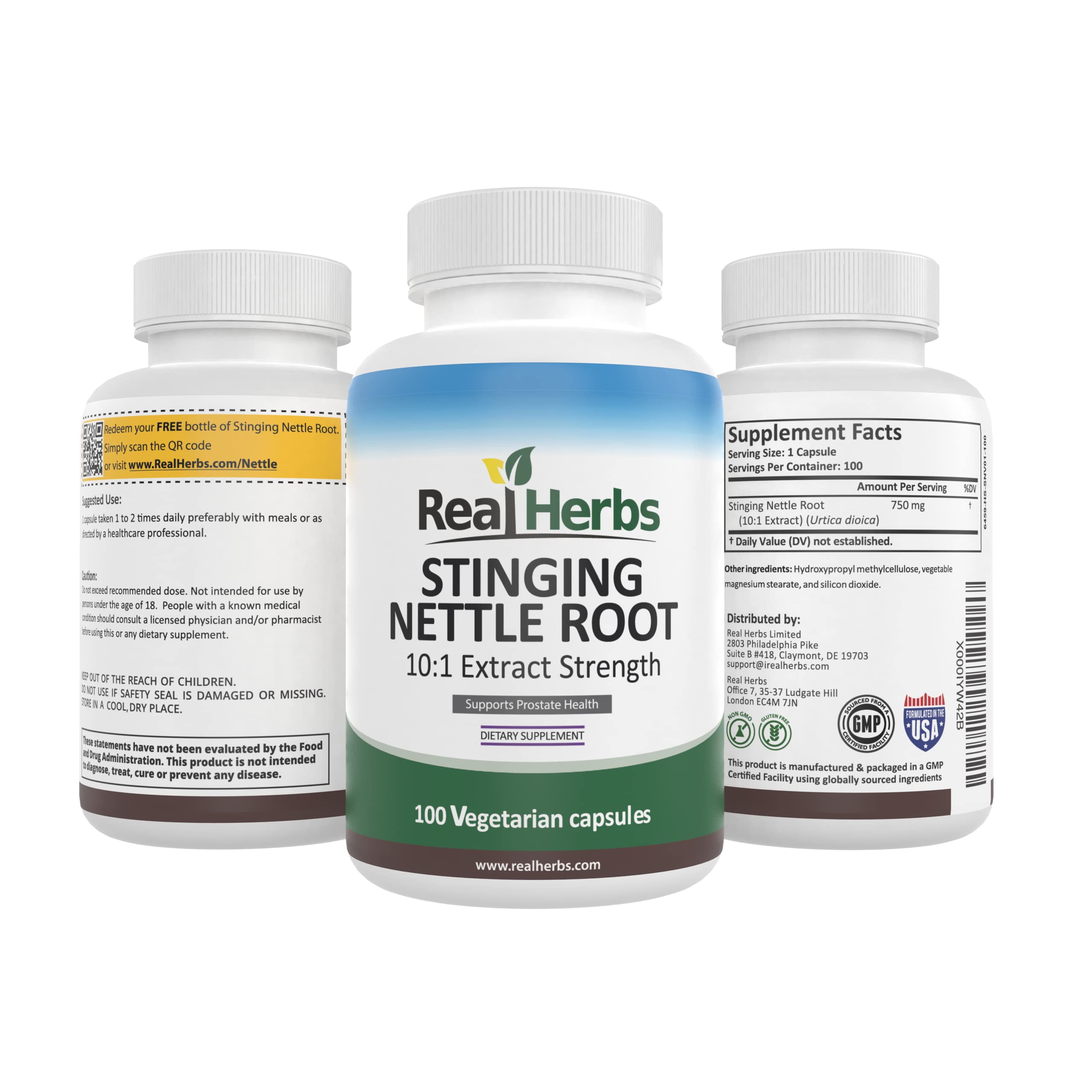
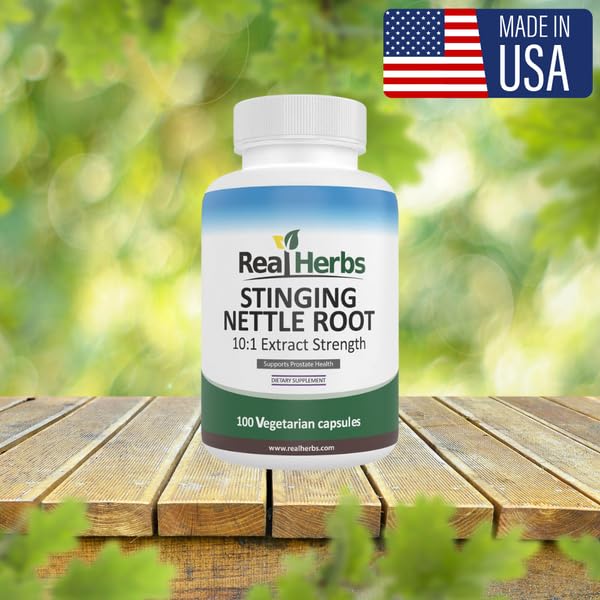
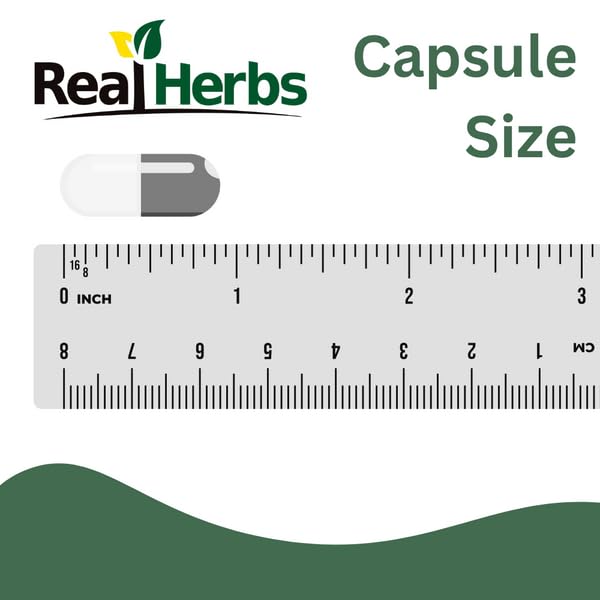
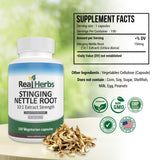
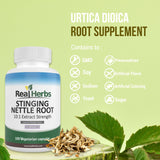
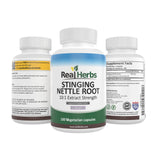
Real Herbs Stinging Nettle Root Extract delivers 750mg of 10:1 root extract per capsule. Suggested use: take 1-2 capsules daily with a meal, or as directed by your healthcare provider.
Shop Stinging Nettle Root Extract
Backed by our 30-Day Money-Back Guarantee.
Related Articles
- How Nettle Extract Supports Prostate Health
- Stinging Nettle Root: A Look at its Antioxidant and Nutrient Profile
Clinical References
- Mittman P. Randomized, double-blind study of freeze-dried Urtica dioica in the treatment of allergic rhinitis. Planta Med. 1990 Feb;56(1):44-7. PMID 2192379
- Bakhshaee M, Mohammad Pour AH, Esmaeili M, Jabbari Azad F, Alipour Talesh G, Salehi M, Noorollahian Mohajer M. Efficacy of Supportive Therapy of Allergic Rhinitis by Stinging Nettle (Urtica dioica) Root Extract: a Randomized, Double-Blind, Placebo-Controlled, Clinical Trial. Iran J Pharm Res. 2017 Winter;16(Suppl):112-118. PMID 29844782
- Roschek B Jr, Fink RC, McMichael M, Alberte RS. Nettle extract (Urtica dioica) affects key receptors and enzymes associated with allergic rhinitis. Phytother Res. 2009 Jul;23(7):920-6. PMID 19140159
- Bhusal KK, Magar SK, Thapa R, et al. Nutritional and pharmacological importance of stinging nettle (Urtica dioica L.): A review. Heliyon. 2022 Jun 22;8(6):e09717. PMID 35800714
- Devkota HP, Paudel KR, Khanal S, et al. Stinging Nettle (Urtica dioica L.): Nutritional Composition, Bioactive Compounds, and Food Functional Properties. Molecules. 2022 Aug 16;27(16):5219. PMID 36014458
Disclaimer: The information provided in this article is for educational purposes only and is not intended as medical advice. Always consult with a qualified healthcare professional before making any decisions about your health or starting any new supplement regimen. These statements have not been evaluated by the Food and Drug Administration. This product is not intended to diagnose, treat, cure, or prevent any disease.
© 2026 Real Herbs. All rights reserved.