The Lignan Connection: Nettle Root and Prostate Enlargement
By Jessica Johnson, Herbal Science Researcher at Real Herbs | Updated: July 2026 | Reading time: 9 minutes

Key takeaway: Nettle root's lignans are genuinely documented to bind SHBG, relevant to free testosterone levels, alongside separate research on prostate cell inhibition, anti-inflammatory activity, and enzyme effects. Multiple human trials, including a 12-month study, support real symptom improvement in BPH. This is a well-supported, multi-mechanism case, not a single miracle compound.
Understanding the Problem of Prostate Enlargement
Benign prostatic hyperplasia (BPH) is common in aging men, leading to lower urinary tract symptoms (LUTS): frequent urination, a weak stream, and incomplete bladder emptying. Hormonal imbalance and chronic inflammation are key drivers of prostate cell growth. Stinging nettle root's lignans are a central part of the science behind its use for BPH.
Lignans and SHBG: The Core Mechanism
Lignans are polyphenols with structural similarity to estrogens, allowing interaction with hormonal pathways. In BPH, the most significant lignan action is interaction with sex hormone-binding globulin (SHBG).
SHBG binds sex hormones, including testosterone, making them inactive. As men age, rising SHBG levels can reduce "free" (bioavailable) testosterone even when total testosterone stays stable. Nettle root's lignans are documented to bind to SHBG and its receptor sites (PMID 9434605), potentially affecting the balance of bound versus free testosterone.
Beyond Lignans: Other Mechanisms of Action
- Inhibition of prostate cell growth: Nettle root extract has shown inhibiting effects on experimentally induced prostatic hyperplasia in a mouse model (Lichius JJ, Muth C. Planta Med. 1997 Aug;63(4):307-310. PMID 9270373).
- Anti-inflammatory effects: Chronic inflammation within the prostate contributes to BPH symptoms. Nettle root's documented anti-inflammatory properties are relevant to reducing this inflammation (PMC3589769).
- Influence on cell membranes: Steroidal components in nettle root extract affect Na+,K+-ATPase enzyme activity in prostate tissue (PMID 7510891), a mechanism relevant to prostate cell tone.
The Science in Practice: Human Clinical Trials
Nettle root's efficacy for BPH is supported by multiple clinical studies. A well-known German multicenter trial followed 246 patients using nettle root extract (Bazoton-uno) for 12 months, supporting sustained improvement in BPH symptoms (Schneider T, Rubben H. Urologe A. 2004 Mar;43(3):302-306. PMID 15045190). A separate randomized, double-blind study in 100 patients found nettle root extract improved BPH symptoms compared to placebo (PMC3589769). These trials, along with broader reviews of nettle root's efficacy profile, support its use for LUTS (PMID 17509841). Nettle root is also often combined with saw palmetto in phytotherapy, an approach with its own research base (PMC11242153).
Frequently Asked Questions
Is the lignan-SHBG mechanism the main reason nettle root helps with BPH?
It's one well-documented mechanism among several. Nettle root's overall case for BPH rests on multiple, separately-studied mechanisms, lignan-SHBG binding, direct effects on prostate cell growth, anti-inflammatory activity, and enzyme effects, plus real clinical trial support. No single mechanism fully explains the clinical results on its own.
How long does it take to see results from nettle root for BPH?
The clinical trials showing meaningful improvement generally involved months of consistent use, with one major trial following patients for a full year. Consistency matters more than any single dose.
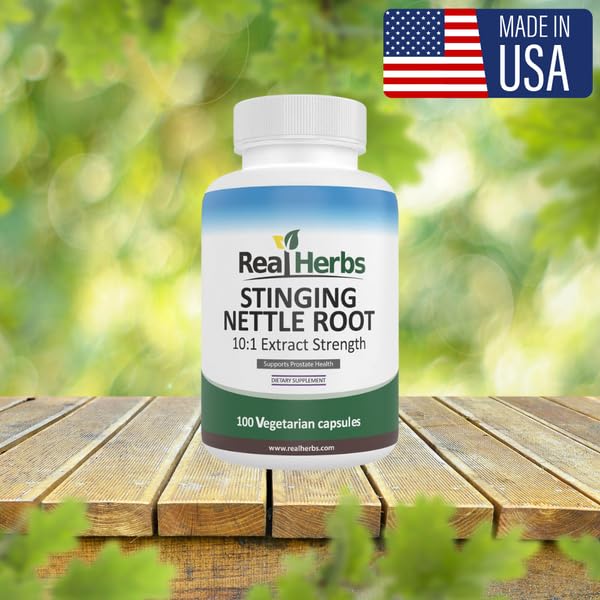
Support Prostate Health With Real Herbs Stinging Nettle Root
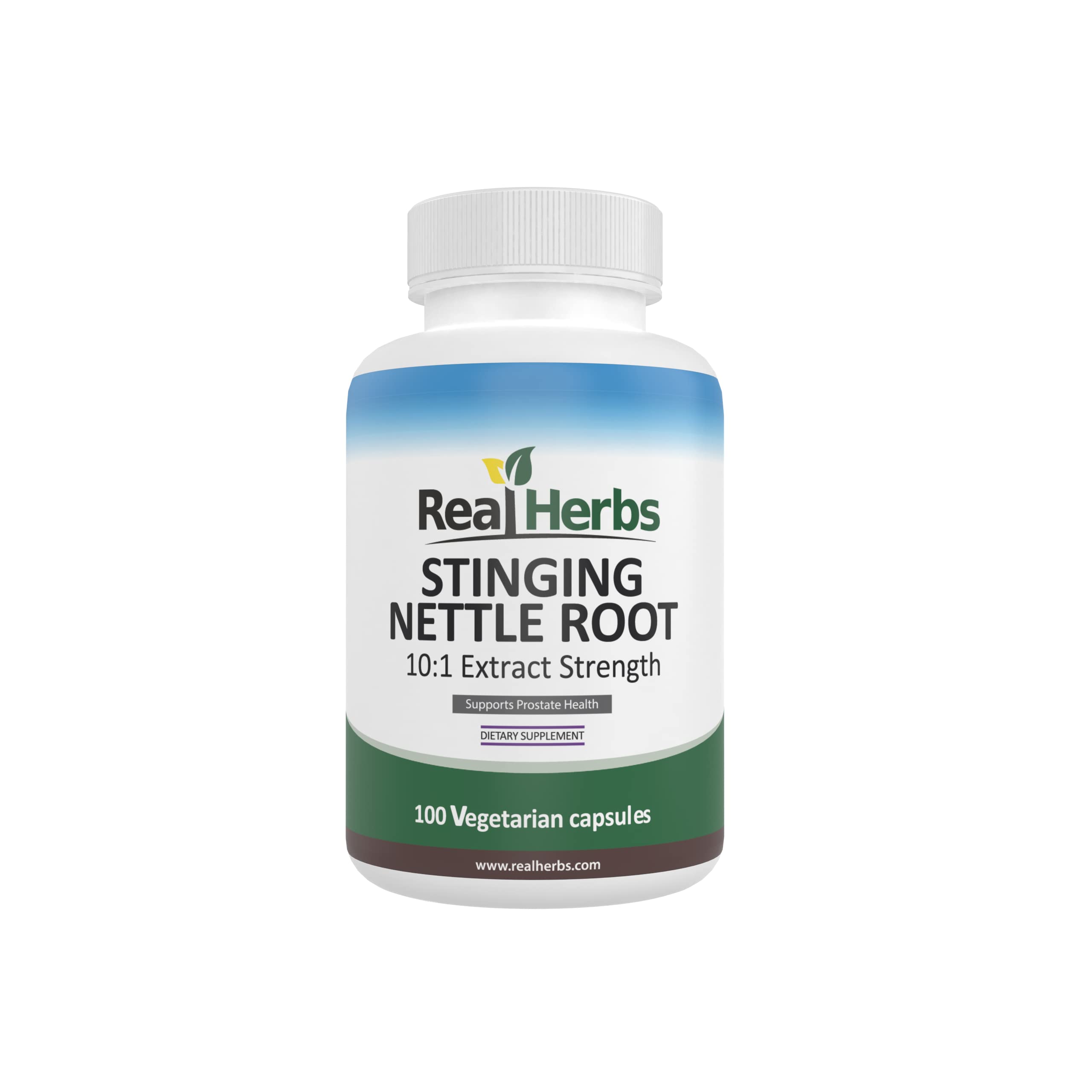
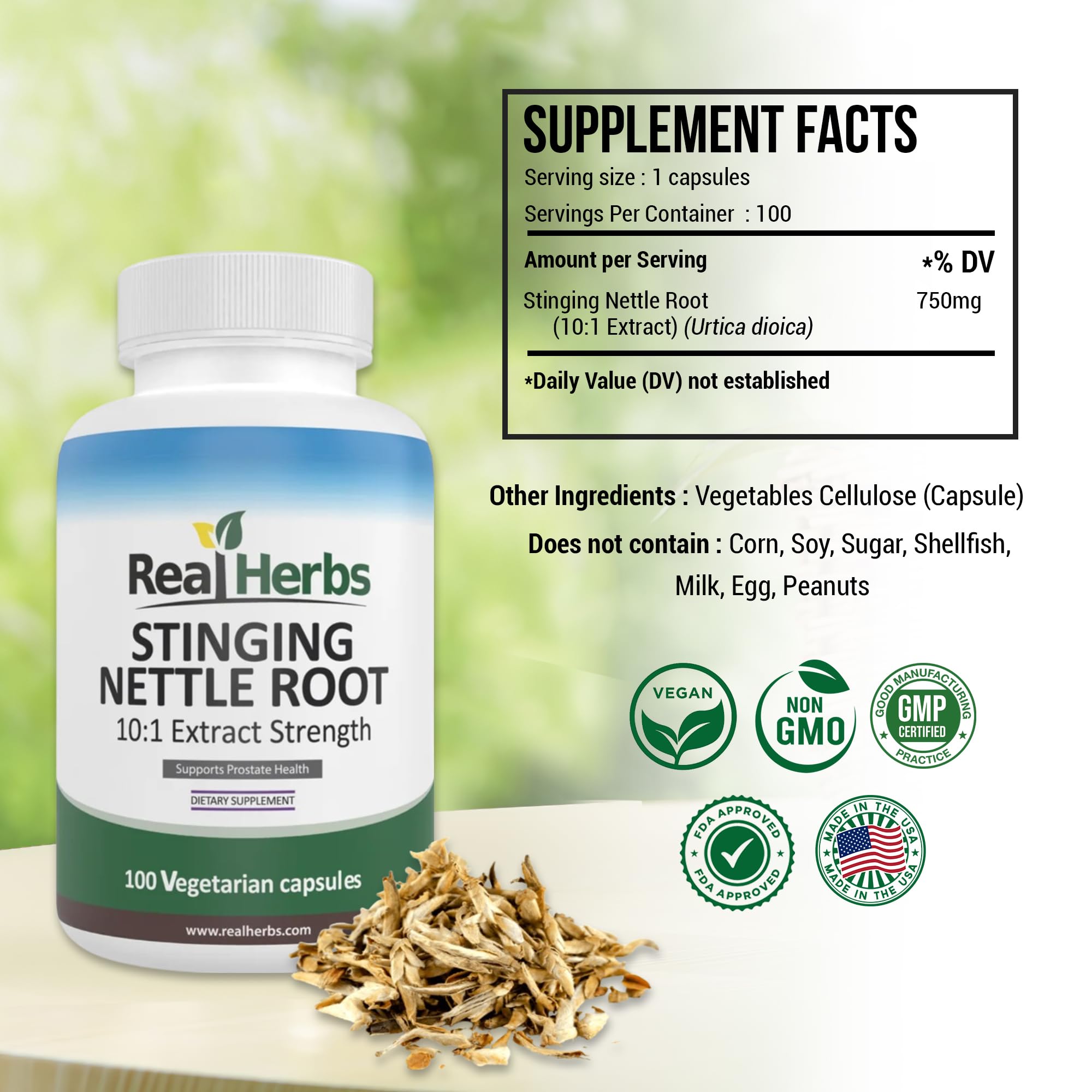
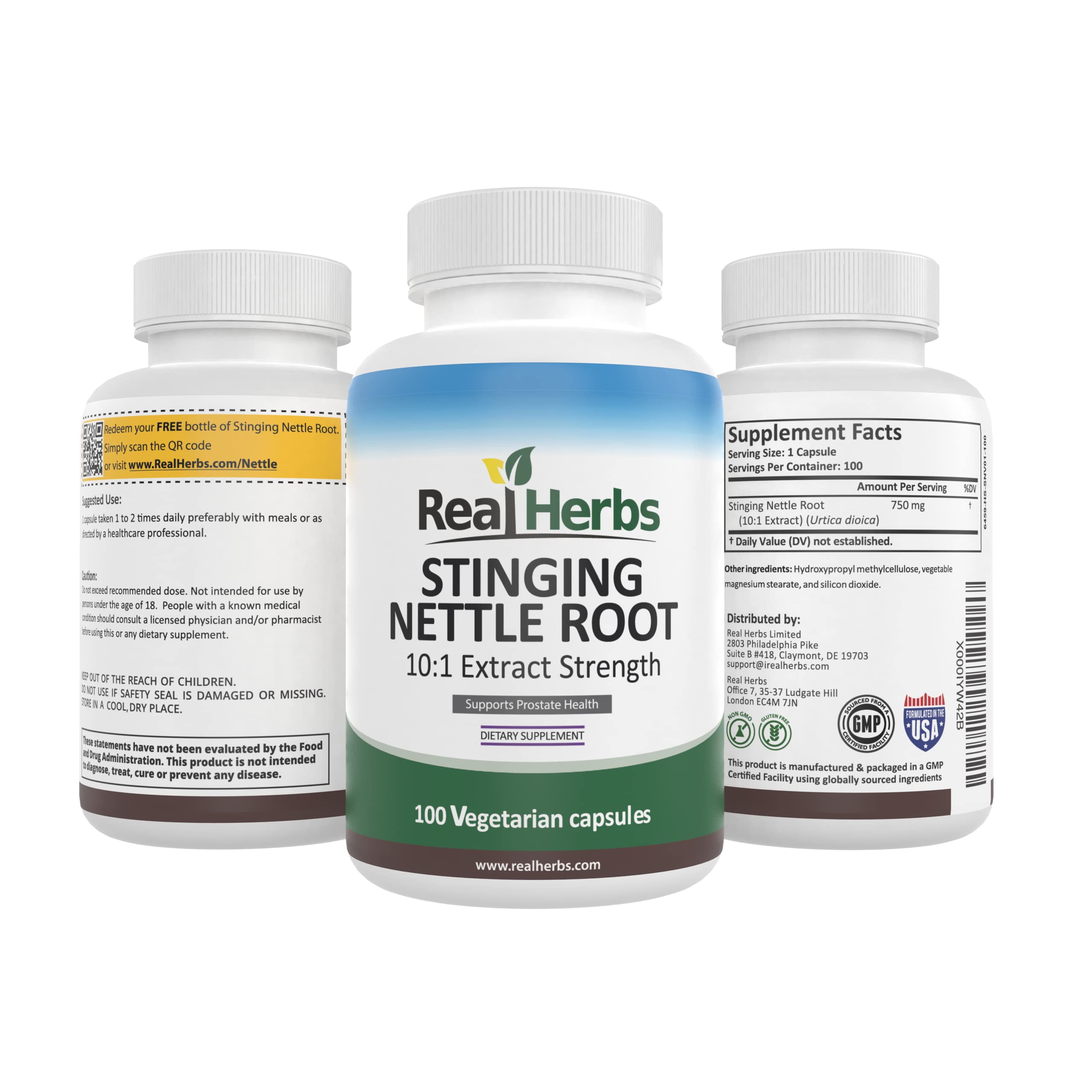
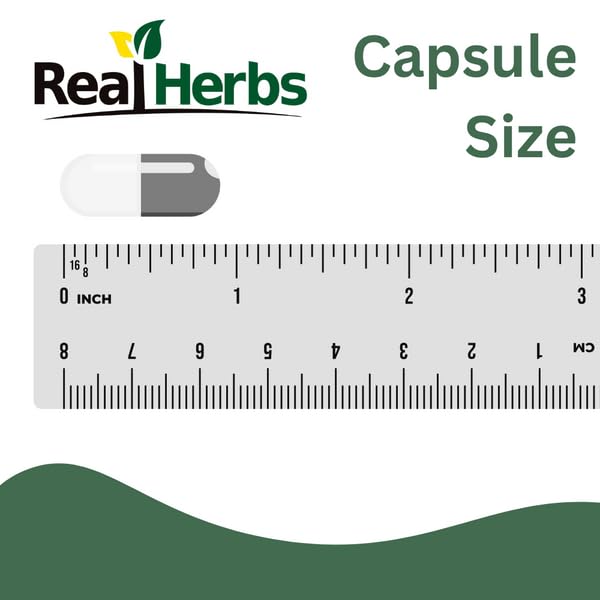
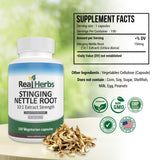
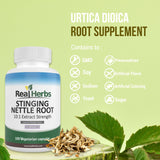
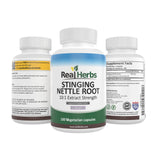
Real Herbs Stinging Nettle Root Extract delivers 750mg of 10:1 root extract per capsule. Suggested use: take 1-2 capsules daily with a meal, or as directed by your healthcare provider.
Shop Stinging Nettle Root Extract
Backed by our 30-Day Money-Back Guarantee.
Related Articles
- How Nettle Extract Supports Prostate Health
- Stinging Nettle Root for Men Over 40: Why It's a Must-Have
Clinical References
- Chrubasik JE, Roufogalis BD, Wagner H, Chrubasik S. A comprehensive review on the stinging nettle effect and efficacy profiles. Part II: urticae radix. Phytomedicine. 2007 Aug;14(7-8):568-79. PMID 17509841
- Lichius JJ, Muth C. The inhibiting effects of Urtica dioica root extracts on experimentally induced prostatic hyperplasia in the mouse. Planta Med. 1997 Aug;63(4):307-310. PMID 9270373
- Hirano T, Homma M, Oka K. Effects of stinging nettle root extracts and their steroidal components on the Na+,K+-ATPase of the benign prostatic hyperplasia. Planta Med. 1994 Feb;60(1):30-3. PMID 7510891
- Schöttner M, Gansser D, Spiteller G. Lignans from the roots of Urtica dioica and their metabolites bind to human sex hormone binding globulin (SHBG). Planta Med. 1997 Dec;63(6):529-32. PMID 9434605
- Schneider T, Rubben H. Stinging nettle root extract (Bazoton-uno) in long term treatment of benign prostatic syndrome (BPS). Results of a randomized, double-blind, placebo controlled multicenter study after 12 months. Urologe A. 2004 Mar;43(3):302-306. PMID 15045190
- Ghorbanibirgani A, Khalili A, Zamani L. The efficacy of stinging nettle (Urtica dioica) in patients with benign prostatic hyperplasia: a randomized double-blind study in 100 patients. Iran Red Crescent Med J. 2013;15(1):9-10. PMC3589769
- Abi Sleiman M, Younes M, Hajj R, et al. Urtica dioica: Anticancer Properties and Other Systemic Health Benefits from In Vitro to Clinical Trials. Int J Mol Sci. 2024 Jul 8;25(13):7501. PMC11242153
Disclaimer: The information provided in this article is for educational purposes only and is not intended as medical advice. Always consult with a qualified healthcare professional before making any decisions about your health or starting any new supplement regimen. These statements have not been evaluated by the Food and Drug Administration. This product is not intended to diagnose, treat, cure, or prevent any disease.
© 2026 Real Herbs. All rights reserved.