Stinging Nettle Root vs. Saw Palmetto: An Honest Comparison
By Jessica Johnson, Herbal Science Researcher at Real Herbs | Updated: July 2026 | Reading time: 9 minutes

Key takeaway: Both herbs have real research support for prostate health, through different mechanisms. For hair growth specifically, saw palmetto has meaningfully stronger, more direct clinical evidence as a 5-alpha-reductase inhibitor; nettle root's role there is more indirect and less established. Many formulations combine both for prostate support.
Stinging Nettle Root vs. Saw Palmetto: Understanding the Comparison
Both stinging nettle root and saw palmetto are well-known herbs for men's health, often compared for prostate support and hair growth. This guide compares them honestly, with each claim matched to a real, correctly-identified source.
Stinging Nettle Root: Mechanisms and Evidence
- Prostate health: Nettle root modulates SHBG, has antiproliferative effects specifically on epithelial (LNCaP) prostate cells in vitro (with stromal cell growth not significantly affected in the same study), and has anti-inflammatory properties (Konrad L, Muller HH, Lenz C, et al. Planta Med. 2000 Feb;66(1):44-7. PMID 10705733). Animal studies show it reduces experimentally induced prostatic hyperplasia (Lichius JJ, Muth C. Planta Med. 1997 Aug;63(4):307-10. PMID 9270373, Nahata A, Dixit VK. Andrologia. 2012 May;44 Suppl 1:396-409. PMID 21806658). A randomized clinical trial in 80 men with BPH found 300mg of nettle root extract, taken twice daily for 8 weeks, significantly reduced urinary frequency, urgency, and nocturia, though without significant changes in PSA levels, prostate volume, or overall quality of life (J Herb Med. 2022.).
- Hair growth: Nettle root's role here is indirect, through general hormonal support (like free testosterone via SHBG modulation), rather than a direct, dedicated hair-growth mechanism. Direct evidence for nettle root specifically improving hair growth is limited.
Saw Palmetto: Mechanisms and Evidence
- Prostate health: Saw palmetto is primarily known for inhibiting 5-alpha-reductase, the enzyme converting testosterone to DHT, directly impacting prostate size and urinary flow.
- Hair growth: Saw palmetto's DHT-reducing mechanism is directly relevant to androgenetic alopecia, since DHT drives follicle miniaturization. A 16-week randomized, placebo-controlled study of a standardized saw palmetto oil found reduced hair fall and improved hair growth parameters in androgenetic alopecia subjects (Sudeep HV, Rashmi S, Jestin TV, Richards A, Gouthamchandra K, Shyamprasad K. Clin Cosmet Investig Dermatol. 2023 Nov 11;16:3251-3266. PMID 38021422). A systematic review covering 5 randomized trials and 2 prospective cohort studies found a 60% improvement in overall hair quality, 27% improvement in total hair count, increased hair density in 83.3% of patients, and stabilized disease progression in 52%, though the authors noted robust, high-quality data are still limited (Evron E, Juhasz M, Babadjouni A, Mesinkovska NA. Skin Appendage Disord. 2020;6(6):329-337. PMID 33313047).
Direct Comparison: Stinging Nettle Root vs. Saw Palmetto
Which Is Better? Choosing the Right Herb for Your Needs
- For prostate health (BPH symptoms): Both herbs have demonstrated efficacy through different mechanisms. Saw palmetto directly reduces DHT; nettle root complements this through cell proliferation and hormonal effects. Some formulations combine both, leveraging their different mechanisms (PMID 17509841).
- For hair growth (androgenetic alopecia): Saw palmetto has meaningfully stronger, more direct evidence as a 5-alpha-reductase inhibitor, with real clinical trial support. Nettle root's role is more indirect and less clearly established for this specific use.
Considering Synergistic Use
Many formulations combine nettle root and saw palmetto, aiming to leverage both mechanisms for more comprehensive prostate support: saw palmetto's DHT-inhibiting action alongside nettle root's SHBG modulation and anti-inflammatory effects (PMID 17509841). This combined approach is primarily studied for prostate health rather than hair growth specifically.
Usage and Safety Considerations
- Dosage: Always follow product label instructions. Clinical trials on nettle root have generally used doses in the 300-600mg range daily; saw palmetto trials commonly use around 320mg daily, in standardized extract form.
- Consistency: Both herbs generally require consistent, long-term use to observe benefits.
- Side effects: Both are generally well-tolerated. Mild gastrointestinal upset is the most common issue for nettle root; saw palmetto can also cause mild digestive upset.
- Drug interactions: Consult your doctor if taking blood thinners, hormone therapies, or prostate medications, since interactions are possible with both herbs.
- Professional guidance: Always consult a healthcare professional before starting either supplement, particularly for chronic conditions or if you're on medication.
Frequently Asked Questions
Should I choose nettle root or saw palmetto for hair loss?
Saw palmetto, if hair growth specifically is your primary goal, given its more direct mechanism and clinical evidence as a 5-alpha-reductase inhibitor. Nettle root's benefits for hair are more indirect and less established.
Can I take both together?
Many formulations do combine both, primarily for prostate support, leveraging their different mechanisms. Discuss combination use with a healthcare provider, especially if you're on other medications.
Conclusion: Making an Informed Choice
Comparing stinging nettle root and saw palmetto, both are valuable for male health with distinct strengths. Saw palmetto has stronger, more direct evidence for hair growth via its 5-alpha-reductase-inhibiting action. For prostate health, both are beneficial through different mechanisms, saw palmetto targeting DHT directly, nettle root supporting cellular regulation and hormonal balance via SHBG, and combinations are common. Understanding these distinct mechanisms, and seeking professional guidance, helps you choose the right option for your specific goals.
Explore Real Herbs Stinging Nettle Root
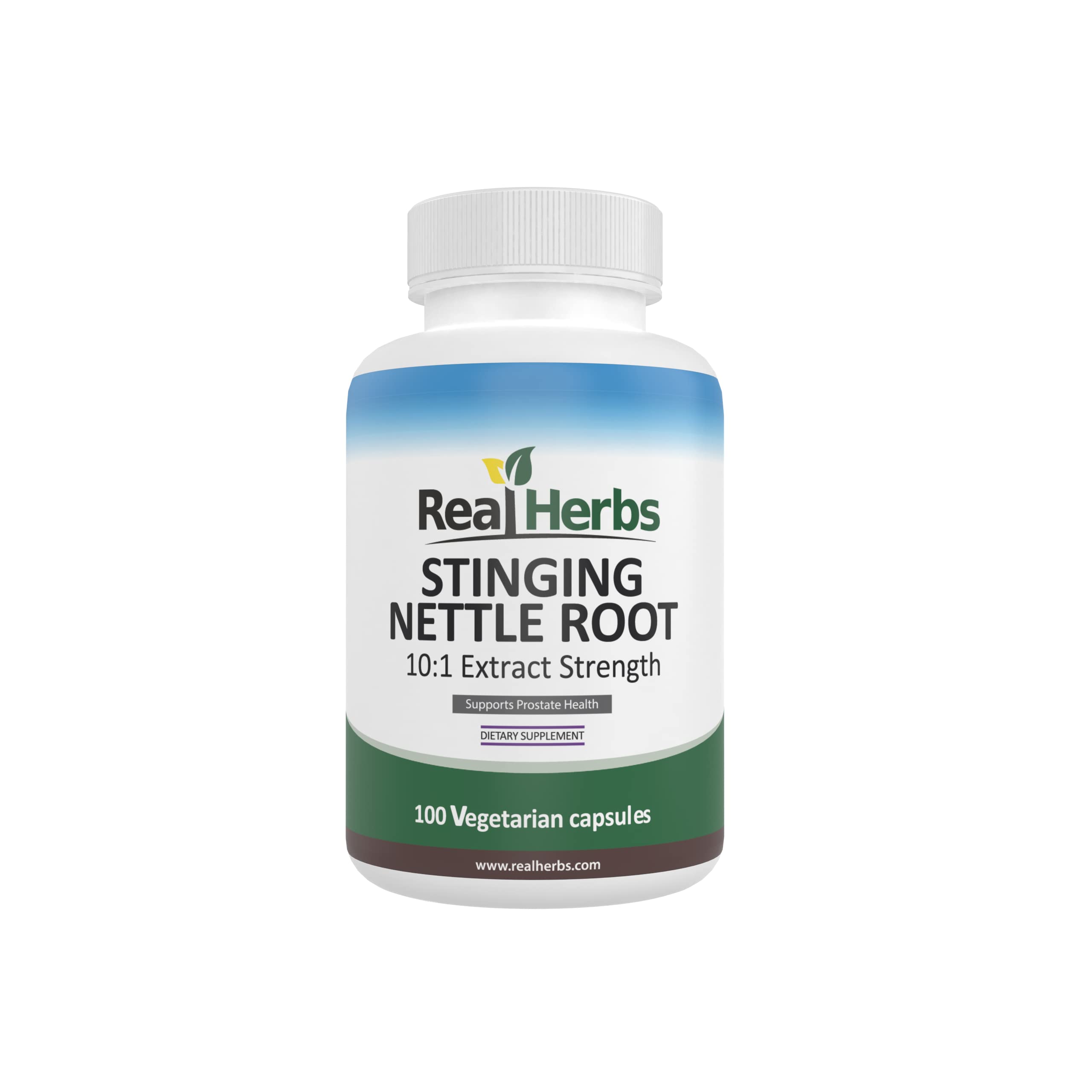
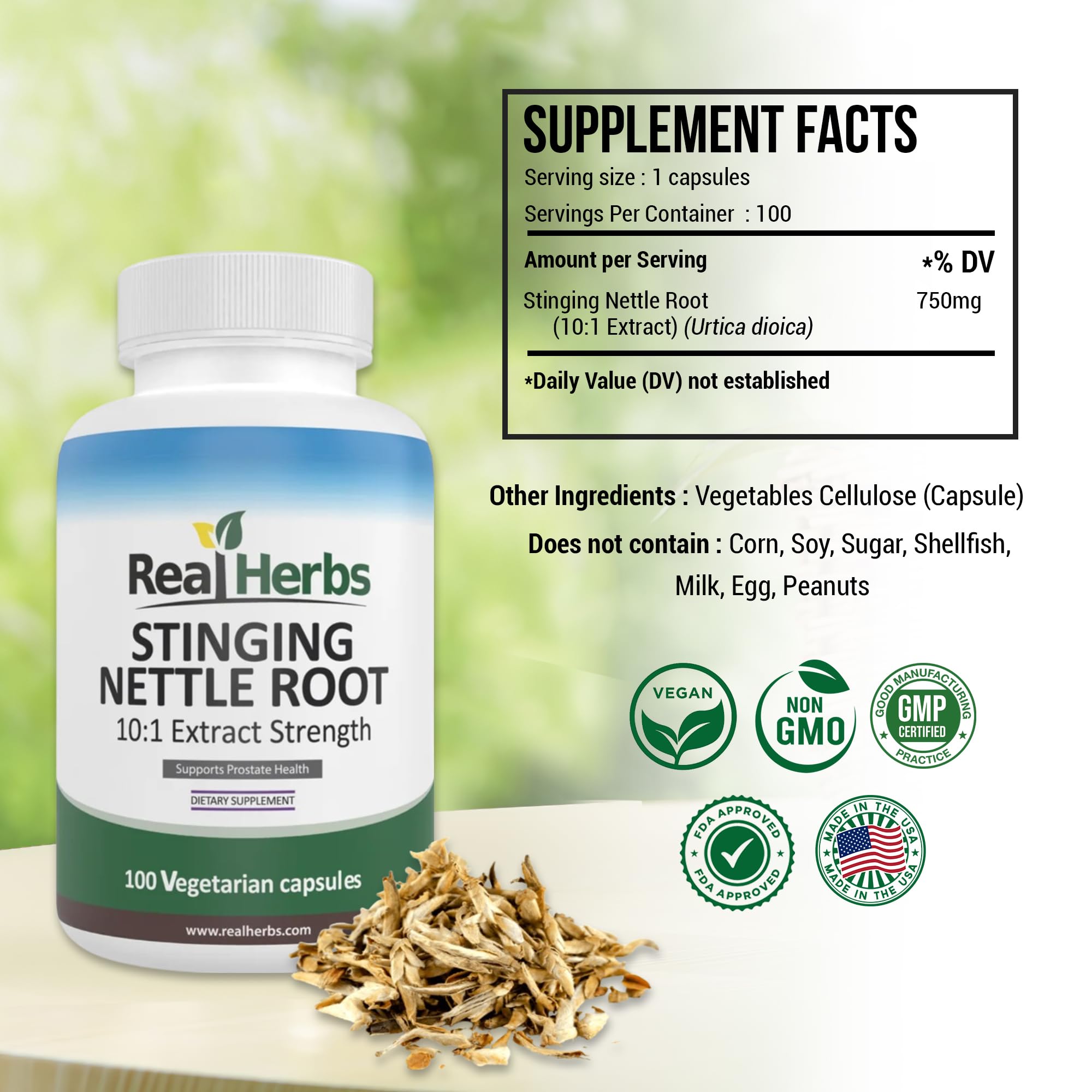
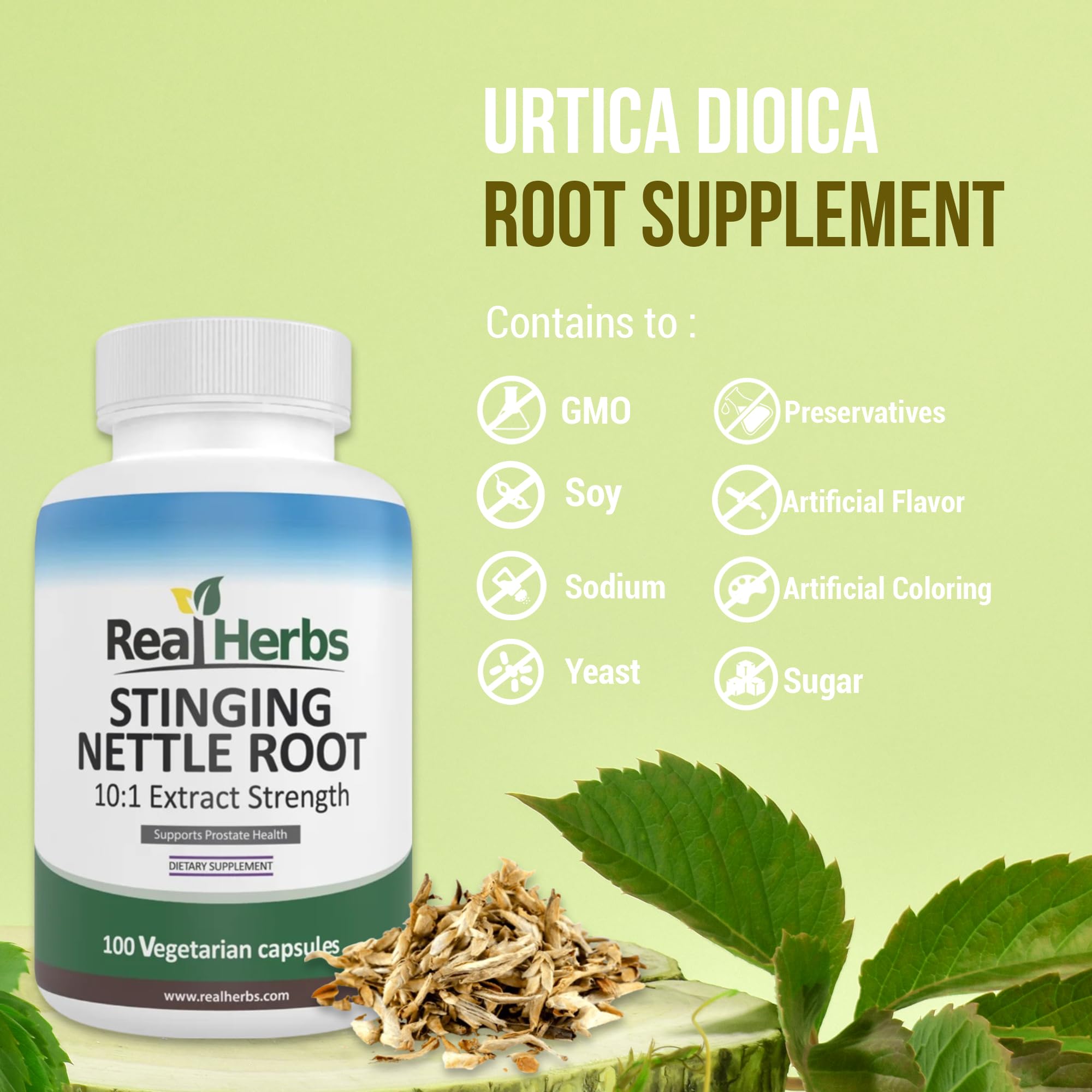
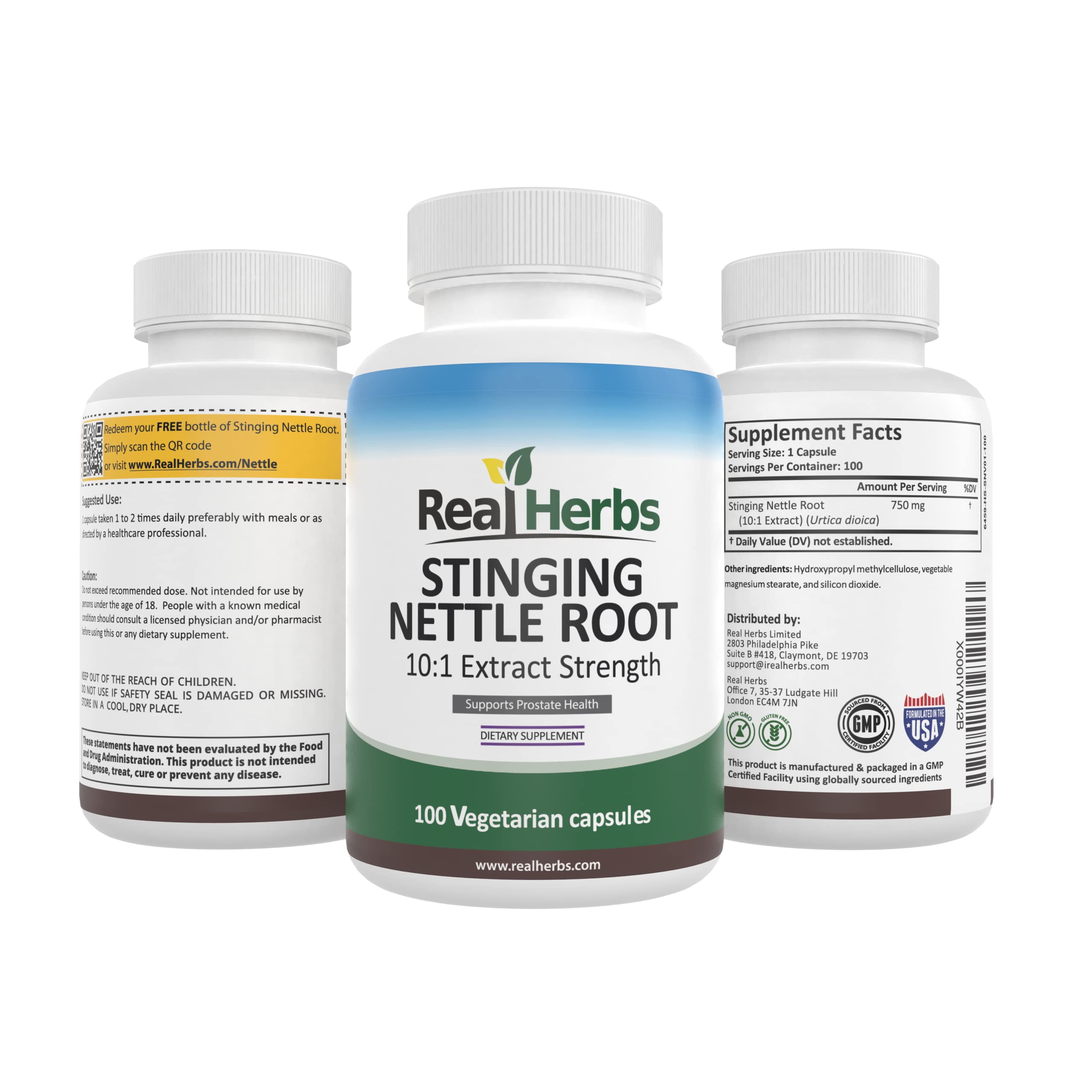
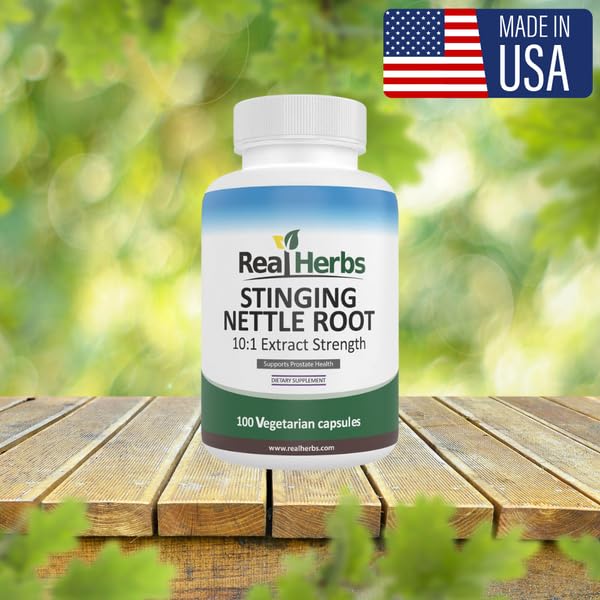
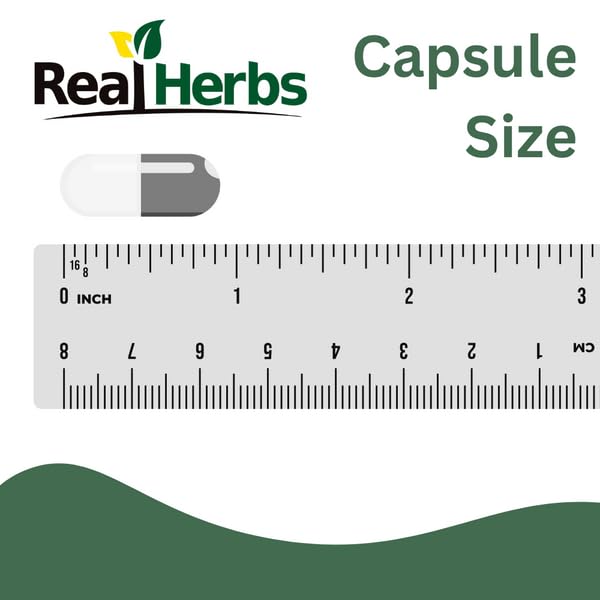
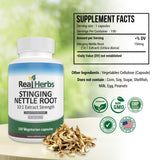
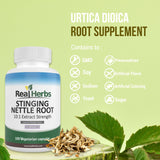
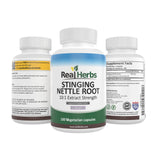
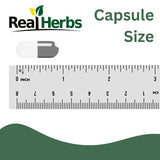
Real Herbs Stinging Nettle Root Extract delivers 750mg of 10:1 root extract per capsule, supporting prostate health and testosterone levels. Suggested use: take 1-2 capsules daily with a meal, or as directed by your healthcare provider.
Shop Stinging Nettle Root Extract
Backed by our 30-Day Money-Back Guarantee.
Related Articles
- How Nettle Extract Supports Prostate Health
- Herb Synergies: Combining Stinging Nettle Root With Other Herbs
Clinical References
- Chrubasik JE, Roufogalis BD, Wagner H, Chrubasik S. A comprehensive review on the stinging nettle effect and efficacy profiles. Part II: urticae radix. Phytomedicine. 2007 Aug;14(7-8):568-79. PMID 17509841
- Nahata A, Dixit VK. Ameliorative effects of stinging nettle (Urtica dioica) on testosterone-induced prostatic hyperplasia in rats. Andrologia. 2012 May;44 Suppl 1:396-409. PMID 21806658
- Konrad L, Muller HH, Lenz C, Laubinger H, Aumuller G, Lichius JJ. Antiproliferative effect on human prostate cancer cells by a stinging nettle root (Urtica dioica) extract. Planta Med. 2000 Feb;66(1):44-7. PMID 10705733
- Lichius JJ, Muth C. The inhibiting effects of Urtica dioica root extracts on experimentally induced prostatic hyperplasia in the mouse. Planta Med. 1997 Aug;63(4):307-10. PMID 9270373
- The effect of nettle root extract on urinary problems in older men with benign prostatic hyperplasia: A randomized clinical trial. J Herb Med. 2022.
- Sudeep HV, Rashmi S, Jestin TV, Richards A, Gouthamchandra K, Shyamprasad K. Oral and Topical Administration of a Standardized Saw Palmetto Oil Reduces Hair Fall and Improves the Hair Growth in Androgenetic Alopecia Subjects - A 16-Week Randomized, Placebo-Controlled Study. Clin Cosmet Investig Dermatol. 2023 Nov 11;16:3251-3266. PMID 38021422
- Evron E, Juhasz M, Babadjouni A, Mesinkovska NA. Natural Hair Supplement: Friend or Foe? Saw Palmetto, a Systematic Review in Alopecia. Skin Appendage Disord. 2020;6(6):329-337. PMID 33313047
Disclaimer: The information provided in this article is for educational purposes only and is not intended as medical advice. Always consult with a qualified healthcare professional before making any decisions about your health or starting any new supplement regimen. These statements have not been evaluated by the Food and Drug Administration. This product is not intended to diagnose, treat, cure, or prevent any disease.
© 2026 Real Herbs. All rights reserved.