Stinging Nettle Root in Beauty Rituals: DIY Skincare Guide
By Jessica Johnson, Herbal Science Researcher at Real Herbs | Updated: July 2026 | Reading time: 9 minutes

Key takeaway: Nettle root has documented antioxidant and anti-inflammatory properties genuinely relevant to skin health. It's worth knowing that some of the most specific skin-focused research (including protective effects against skin cell oxidative stress) used leaf extract, not root. Both are real evidence for the plant; this guide is honest about which is which while still giving you safe, practical DIY applications.
Unlocking Nettle Root's Potential for Radiant Skin
Stinging nettle (Urtica dioica) is best known for its root's role in prostate health and hormonal balance, but its bioactive compounds also make it an interesting candidate for skincare. This guide covers the honest science behind topical nettle root use, plus practical, safe DIY applications.
Understanding Nettle Root's Skin-Benefiting Compounds
- Antioxidants: Nettle root contains phenolic compounds and flavonoids that help protect skin cells from oxidative stress caused by environmental factors like UV exposure and pollution, a major contributor to premature skin aging (PMID 17509841, PMC8894011).
- Anti-inflammatory agents: Chronic inflammation can manifest as redness, irritation, and acne. Nettle root has well-documented anti-inflammatory properties relevant to soothing irritated skin (PMID 17509841).
- Vitamins and minerals: The broader Urtica dioica plant is a source of vitamins and minerals relevant to general skin health (PMID 17509841).
- Lignans and sterols: These compounds are primarily studied for internal hormonal effects, but contribute to the root's overall beneficial phytochemical profile (PMC8894011).
- Antimicrobial properties, an honest caveat: It's worth noting that a systematic review specifically assessing the evidence for nettle's traditional antibacterial reputation concluded there is no strong evidence that nettle contains molecules with clinically useful antimicrobial activity, suggesting nettle's traditional use in wound preparations may simply reflect its role as an absorbent base for other ingredients, rather than nettle itself having a meaningful antibacterial effect (Harrison F, Furner-Pardoe J, Connelly E. Access Microbiol. 2022;4(3):000336. PMID 35693473). This is a case worth being upfront about: the evidence doesn't support antibacterial benefit the way some other properties on this list do.
Benefits of Stinging Nettle Root in Skincare
- Soothing irritated skin: Nettle root's anti-inflammatory properties can help calm redness, itching, and general irritation, relevant for sensitive or reactive skin (PMID 17509841).
- Antioxidant protection, a leaf-specific study worth knowing about: A study found nettle leaf extract protected human skin fibroblasts from oxidative stress and cytotoxicity (Skalska-Kaminska A, Wojciak W, Zuk M, Paduch R, Wojciak M. Life (Basel). 2023 Nov 9;13(11):2182. PMID 38004322). This is genuinely useful evidence for nettle's role in skin cell protection, just worth knowing it's leaf-based, not root-based.
- Promoting skin health generally: By addressing inflammation and oxidative stress, nettle root's broader phytochemical profile is relevant to supporting the skin's natural barrier function (PMC8894011).
- Potential for acne-prone skin: Not a primary treatment, but nettle's anti-inflammatory properties might offer supportive benefits for managing breakouts.
DIY Skincare Applications with Stinging Nettle Root
For DIY skincare, always use dried stinging nettle root or prepared extracts to avoid the stinging hairs present on fresh plants. The most common preparation method is a strong decoction.
1. Nettle Root Facial Steam
- Ingredients: 2-3 tablespoons dried, chopped stinging nettle root; 4-5 cups boiling water.
-
Preparation:
- Place the nettle root in a large, heat-safe bowl.
- Pour boiling water over the root.
- Position your face over the bowl (about 8-12 inches away), draping a towel over your head to create a tent.
- Steam for 5-10 minutes.
- Benefits: The steam helps deliver nettle's beneficial compounds to the skin while opening pores and increasing circulation.
2. Nettle Root Facial Toner or Compress
- Ingredients: A strong nettle root decoction (simmer 1 tablespoon dried root in 1 cup water for 20-30 minutes, then strain).
-
Preparation:
- Allow the decoction to cool completely.
- As a toner: apply to cleansed face with a cotton pad.
- As a compress: soak a clean cloth in the cooled decoction and apply to irritated areas for 10-15 minutes.
- Benefits: Delivers anti-inflammatory and antioxidant compounds directly to the skin.
3. Nettle Root-Infused Oil for Massage or Serums
- Ingredients: 1/4 cup dried, chopped stinging nettle root; 1 cup carrier oil (such as jojoba, almond, or olive oil).
-
Preparation:
- Place the nettle root in a clean, dry glass jar.
- Cover completely with carrier oil, ensuring the root is fully submerged.
- Seal the jar and infuse in a cool, dark place for 2-4 weeks, shaking daily.
- Strain through cheesecloth, pressing out all liquid.
- Usage: Use as a facial massage oil, add a few drops to your moisturizer, or incorporate into a DIY serum.
- Benefits: Delivers lipophilic (fat-soluble) compounds and antioxidants to the skin (PMID 17509841).
Important Considerations and Precautions for DIY Skincare
- Use dried root only: Always use dried or processed nettle root for skincare to avoid the stinging hairs found on fresh plants.
- Patch test first: Before applying any new DIY product to your face or a large area, patch test on a small, inconspicuous area (like behind the ear or inner arm) and wait 24 hours for any reaction.
- Sterilize your tools: Ensure all tools and containers are clean and sterilized to prevent contamination.
- Storage: Water-based toners have a short shelf life (a few days refrigerated); oil infusions last longer, though homemade oil infusions should still be used within a reasonable timeframe and checked for any off smell or appearance before use.
- Consult a dermatologist: If you have a diagnosed skin condition (eczema, psoriasis, rosacea) or open wounds, talk to a dermatologist before topical use.
Frequently Asked Questions
Is the skin research for nettle root or nettle leaf?
A mix, and it's worth knowing the difference. The specific study on protecting skin cells from oxidative stress used leaf extract. General antioxidant and anti-inflammatory properties are documented for the broader plant, including root. Both are genuinely relevant to skincare use, just from different specific research.
Can I use nettle root topically for internal health benefits too?
No, topical use and internal use are different. This guide covers topical skincare applications specifically. For internal benefits (like prostate or hormonal support), a standardized oral extract, taken as directed, is the appropriate approach; consult a healthcare provider for dosage guidance.
Conclusion: A Natural Addition to Your Skincare Routine
Stinging nettle root's antioxidant and anti-inflammatory properties make it a genuinely interesting addition to a natural skincare routine, whether through a facial steam, toner, or infused oil. Prioritize safety through proper preparation and patch testing, and consult a dermatologist for any underlying skin conditions.
Explore Real Herbs Stinging Nettle Root
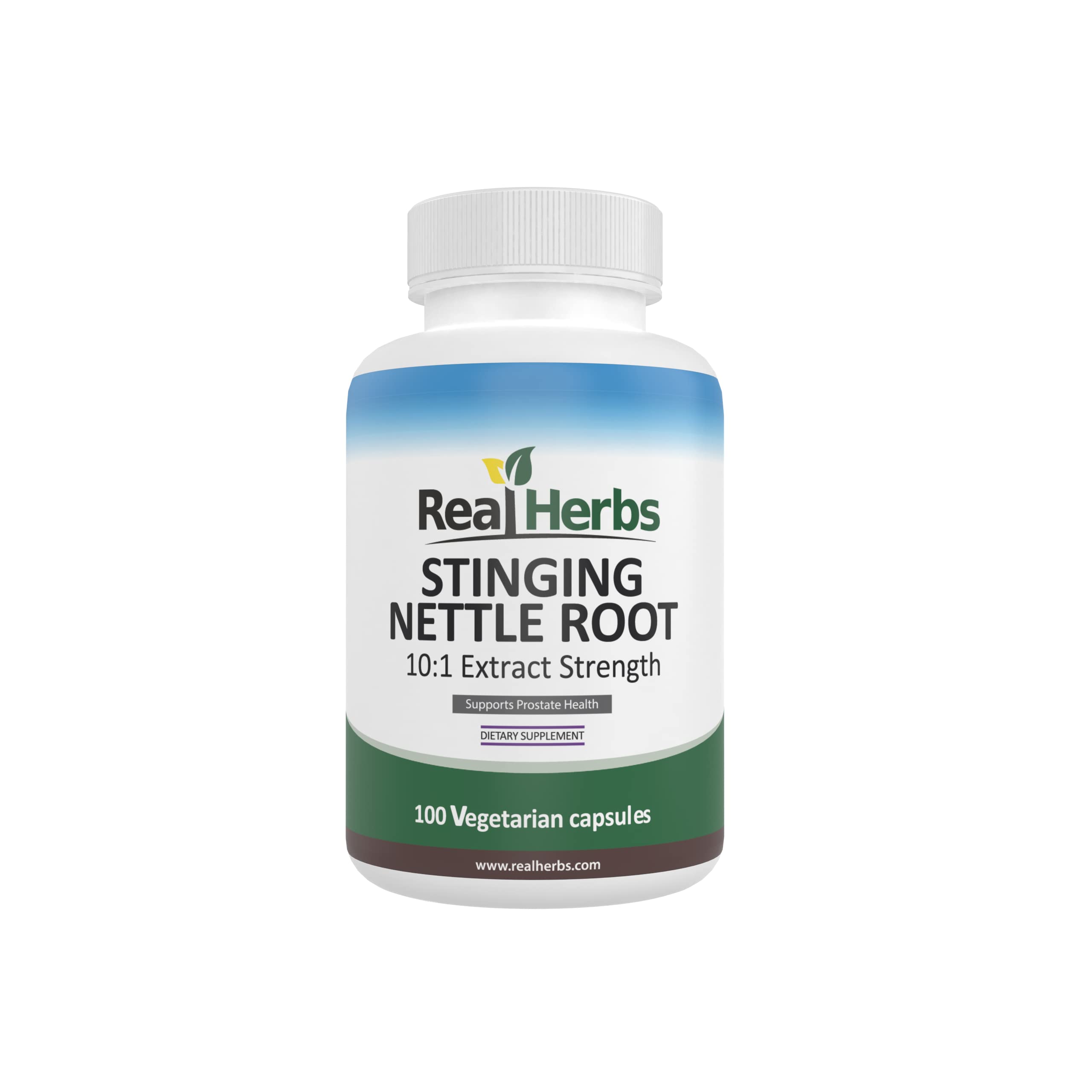
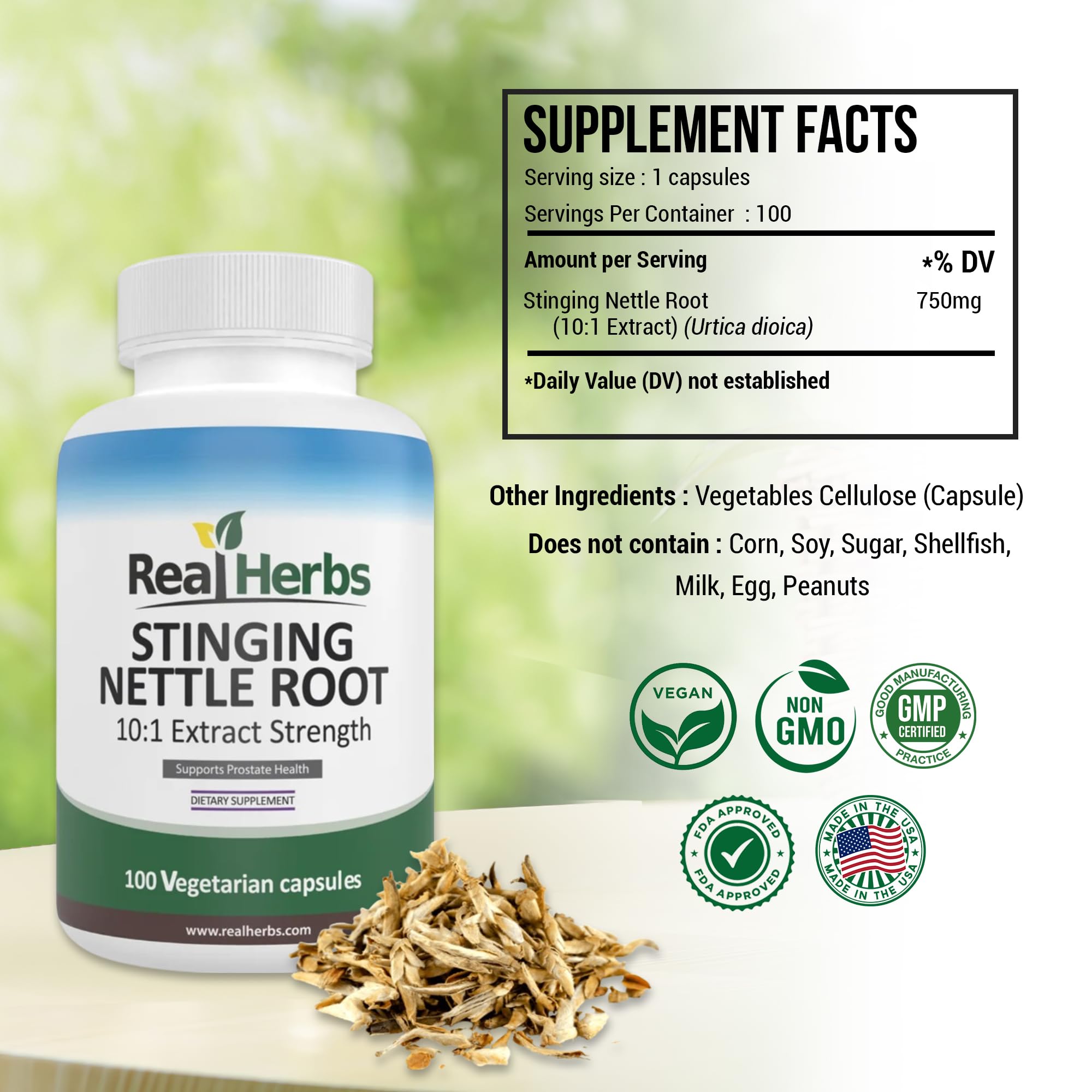
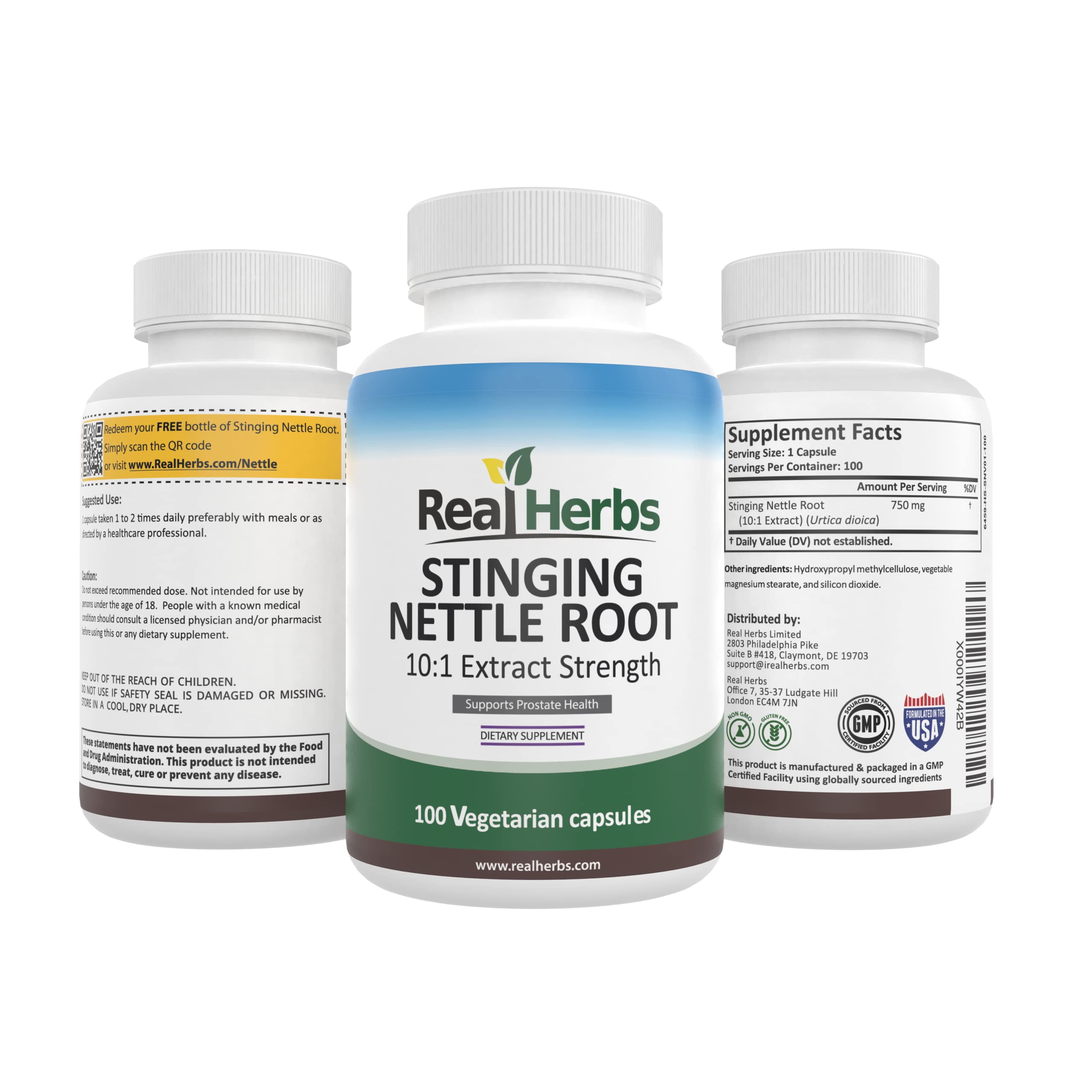
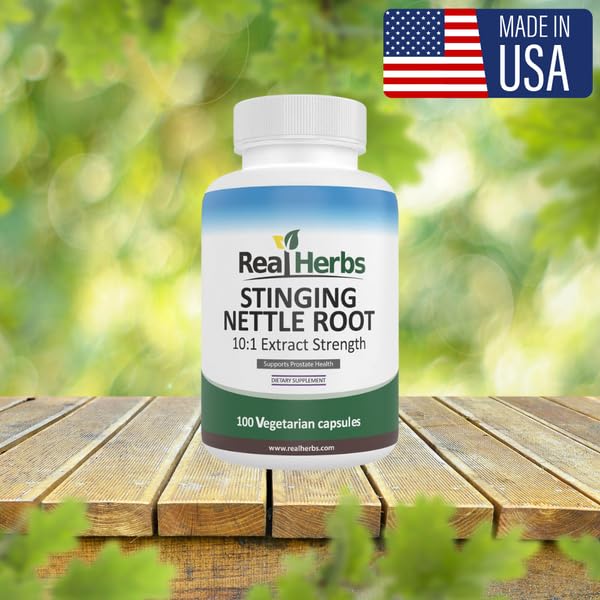
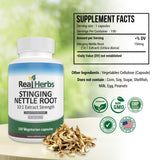
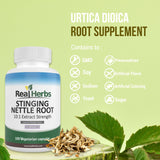
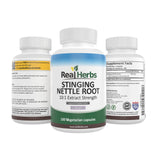
Real Herbs Stinging Nettle Root Extract delivers 750mg of 10:1 root extract per capsule for internal use. Suggested use: take 1-2 capsules daily with a meal, or as directed by your healthcare provider.
Shop Stinging Nettle Root Extract
Backed by our 30-Day Money-Back Guarantee.
Related Articles
- Stinging Nettle Root: A Look at its Antioxidant and Nutrient Profile
- Beyond Allergies: The Anti-Inflammatory Benefits of Stinging Nettle Root
Clinical References
- Chrubasik JE, Roufogalis BD, Wagner H, Chrubasik S. A comprehensive review on the stinging nettle effect and efficacy profiles. Part II: urticae radix. Phytomedicine. 2007 Aug;14(7-8):568-79. PMID 17509841
- Skalska-Kaminska A, Wojciak W, Zuk M, Paduch R, Wojciak M. Protective Effect of Urtica dioica Extract against Oxidative Stress in Human Skin Fibroblasts. Life (Basel). 2023 Nov 9;13(11):2182. PMID 38004322
- Taheri Y, Quispe C, Herrera-Bravo J, et al. Urtica dioica-Derived Phytochemicals for Pharmacological and Therapeutic Applications. Evid Based Complement Alternat Med. 2022 Feb 24;2022:4024331. PMC8894011
- Martz F, Kankaanpaa S. Stinging Nettle (Urtica dioica) Roots: The Power Underground - A Review. Plants (Basel). 2025 Jan 19;14(2):279. PMC11768490
- Harrison F, Furner-Pardoe J, Connelly E. An assessment of the evidence for antibacterial activity of stinging nettle (Urtica dioica) extracts. Access Microbiol. 2022;4(3):000336. PMID 35693473
- Durovic S, Kojic I, Radic D, Smyatskaya YA, Bazarnova JG, Filip S, Tosti T. Chemical Constituents of Stinging Nettle (Urtica dioica L.): A Comprehensive Review on Phenolic and Polyphenolic Compounds and Their Bioactivity. Int J Mol Sci. 2024 Mar 18;25(6):3430. PMC10970493
Disclaimer: The information provided in this article is for educational purposes only and is not intended as medical advice. Always consult with a qualified healthcare professional before making any decisions about your health or starting any new supplement regimen, especially for skin conditions or if you have existing medical conditions. These statements have not been evaluated by the Food and Drug Administration. This product is not intended to diagnose, treat, cure, or prevent any disease.
© 2026 Real Herbs. All rights reserved.