How Stinging Nettle Root Supports Healthy Circulation
By Jessica Johnson, Herbal Science Researcher at Real Herbs | Updated: July 2026 | Reading time: 9 minutes

Key takeaway: Nettle root has real, documented cardiovascular research: vasodilation through nitric oxide, calcium channel effects, and a hypotensive action confirmed in both animal and mechanistic studies. It's also genuinely concentration-dependent, one animal study found that while moderate concentrations produced a mild slowing of heart rate, a much higher concentration caused cardiac arrest in an isolated heart model. This is why medical guidance matters, especially for anyone with existing heart conditions or blood pressure medication.
The Systemic Impact of Nettle Root
Stinging nettle root (Urtica dioica) is most often studied for prostate health, but its research extends into cardiovascular function, particularly circulation and blood pressure. Poor circulation contributes to fatigue, reduced nutrient delivery, and added strain on the heart, often tied to stiff blood vessels and chronic inflammation.
This guide covers the hypotensive (blood-pressure-lowering) and vasorelaxing mechanisms studied for nettle root, including an important safety nuance about dose and concentration.
1. Direct Mechanisms: Vasodilation
The main way nettle root is studied for circulation is by encouraging blood vessels to relax and widen (vasodilation), reducing resistance and easing the heart's workload (PMID 27585814).
Mechanism A: Endothelium-Dependent Nitric Oxide Release
Urtica dioica extracts have shown a vasorelaxing effect that is endothelium-dependent (PMID 12020933, PMID 27585814). The endothelium, the inner lining of blood vessels, regulates vascular tone largely through nitric oxide (NO) release. Nettle root compounds are studied for stimulating NO release, which relaxes smooth muscle in vessel walls, allowing blood to flow more freely (PMID 27585814).
Mechanism B: Calcium Channel Effects
Many antihypertensive drugs work by blocking calcium channels in blood vessel walls. Research suggests nettle extracts show similar activity, reducing calcium influx into vascular smooth muscle cells (PMID 27585814). Since calcium is necessary for muscle contraction, this may help prevent excessive vessel constriction.
Mechanism C: Effects on Heart Rate and Contraction Force, and an Important Dose-Dependent Finding
Nettle extracts have been studied for effects on isolated heart tissue, including bradycardia (slowed heart rate) and reduced contraction force (PMID 12020933, PMID 12237804). It's important to be specific about what this research actually found: in an isolated rat heart model, moderate concentrations (1-2 g/L) produced a slowed heart rate and increased ventricular pressure, but a higher concentration (5 g/L) caused cardiac arrest in that same model (PMID 12237804). This was a concentrated extract applied directly to an isolated heart, not representative of a typical oral capsule dose, but it's a genuine, concentration-dependent effect worth knowing about, and it's part of why medical guidance matters for anyone with existing heart conditions.
2. Systemic Support: Inflammation and Lipid Balance
- Reducing chronic inflammation: Chronic inflammation is a risk factor for atherosclerosis (hardening of the arteries), which impairs circulation. Nettle root has documented anti-inflammatory activity relevant to vascular health (PMID 31163183).
- Antioxidant protection: Flavonoids and phenolic compounds in nettle root provide antioxidant activity (PMID 35800714, PMID 31163183), relevant to protecting the endothelium from oxidative stress.
- Metabolic health: Nettle has shown potential to influence blood lipids and support blood sugar regulation (PMID 35911652, PMID 28078249). Since elevated cholesterol and poorly controlled glucose both damage blood vessels over time, this metabolic influence is a plausible, indirect contributor to cardiovascular health.
3. Usage and Safety Precautions
Given nettle root's direct cardiovascular effects, careful use and medical guidance matter here more than in many other contexts.
- Form: Use standardized root extract (capsules or tablets) for predictable dosing.
- Consistency: Effects on blood pressure and lipid profile, where documented, are generally studied with consistent, long-term use.
-
Drug interactions, an important warning: Nettle's hypotensive and diuretic mechanisms mean it can interact with prescription medications. Avoid combining with:
- Antihypertensive drugs (such as ACE inhibitors or calcium channel blockers), due to the risk of additive effects causing dangerously low blood pressure.
- Diuretics ("water pills"), due to the risk of excessive fluid loss and electrolyte imbalance.
- Doctor consultation: If you have high blood pressure, heart disease, or take any prescription medication, talk to your doctor before using stinging nettle root.
Frequently Asked Questions
Does the cardiac arrest finding mean nettle root is dangerous for my heart?
Not at the doses used in a typical supplement. That specific effect was seen in an isolated heart model given a much higher concentration than what a standard oral capsule would deliver, and it illustrates why concentration and dose genuinely matter with this herb. It's also exactly why anyone with an existing heart condition should talk to a doctor before using nettle root, rather than assuming an herbal supplement carries no cardiovascular risk.
Can I take nettle root with my blood pressure medication?
Not without talking to your doctor first. Nettle root's own hypotensive effect can combine with blood pressure medication to lower blood pressure more than intended.
Support Healthy Circulation With Research-Backed Nettle Root
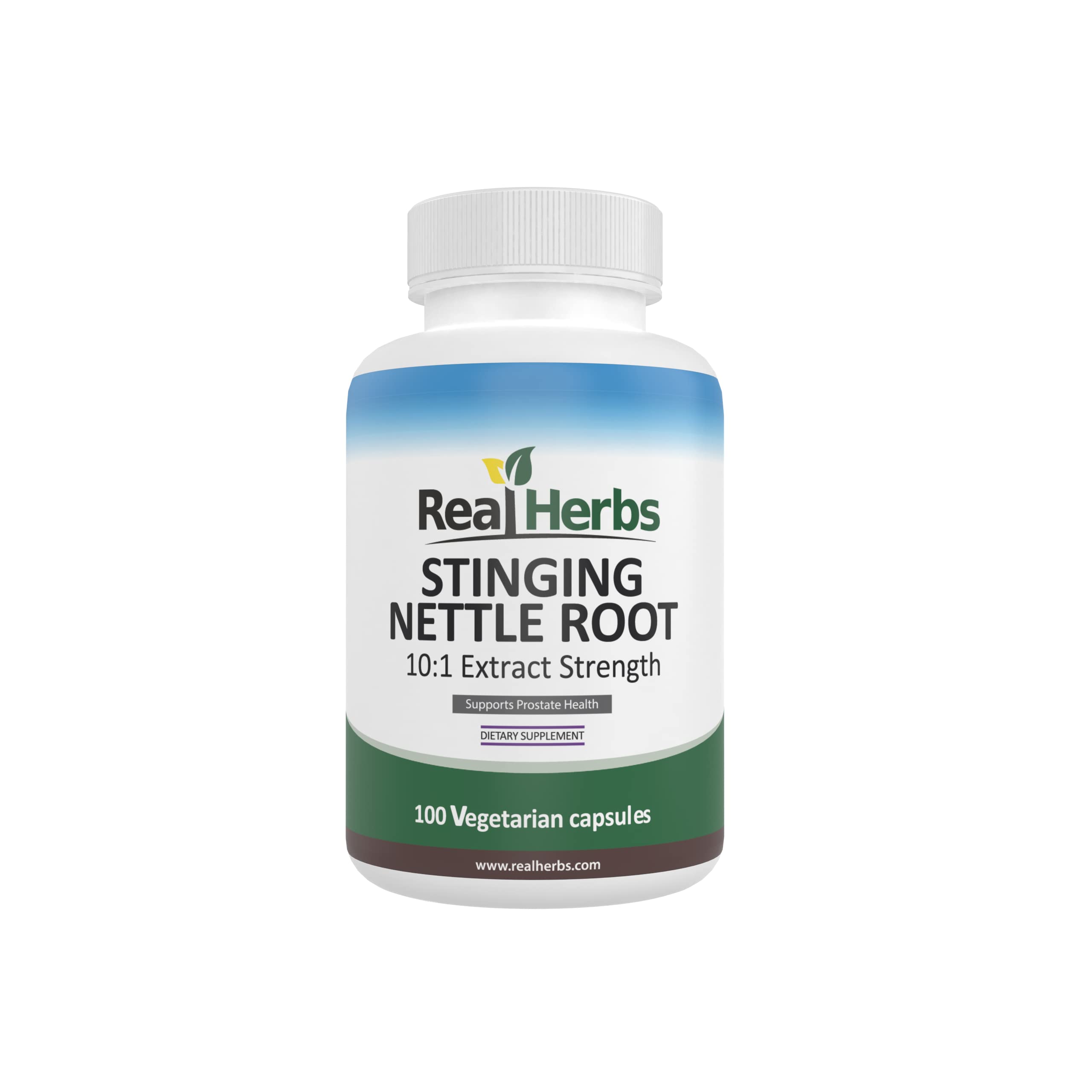
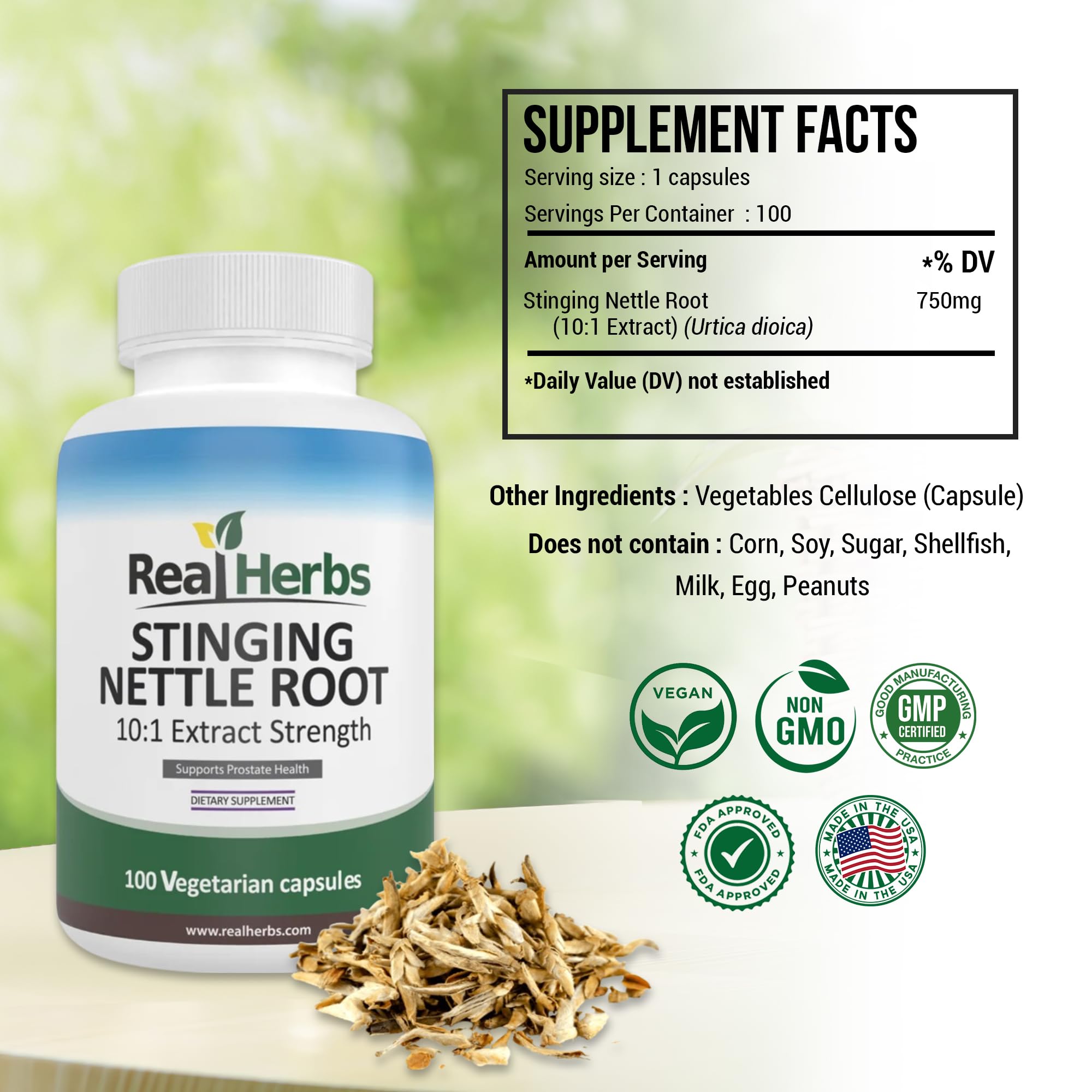
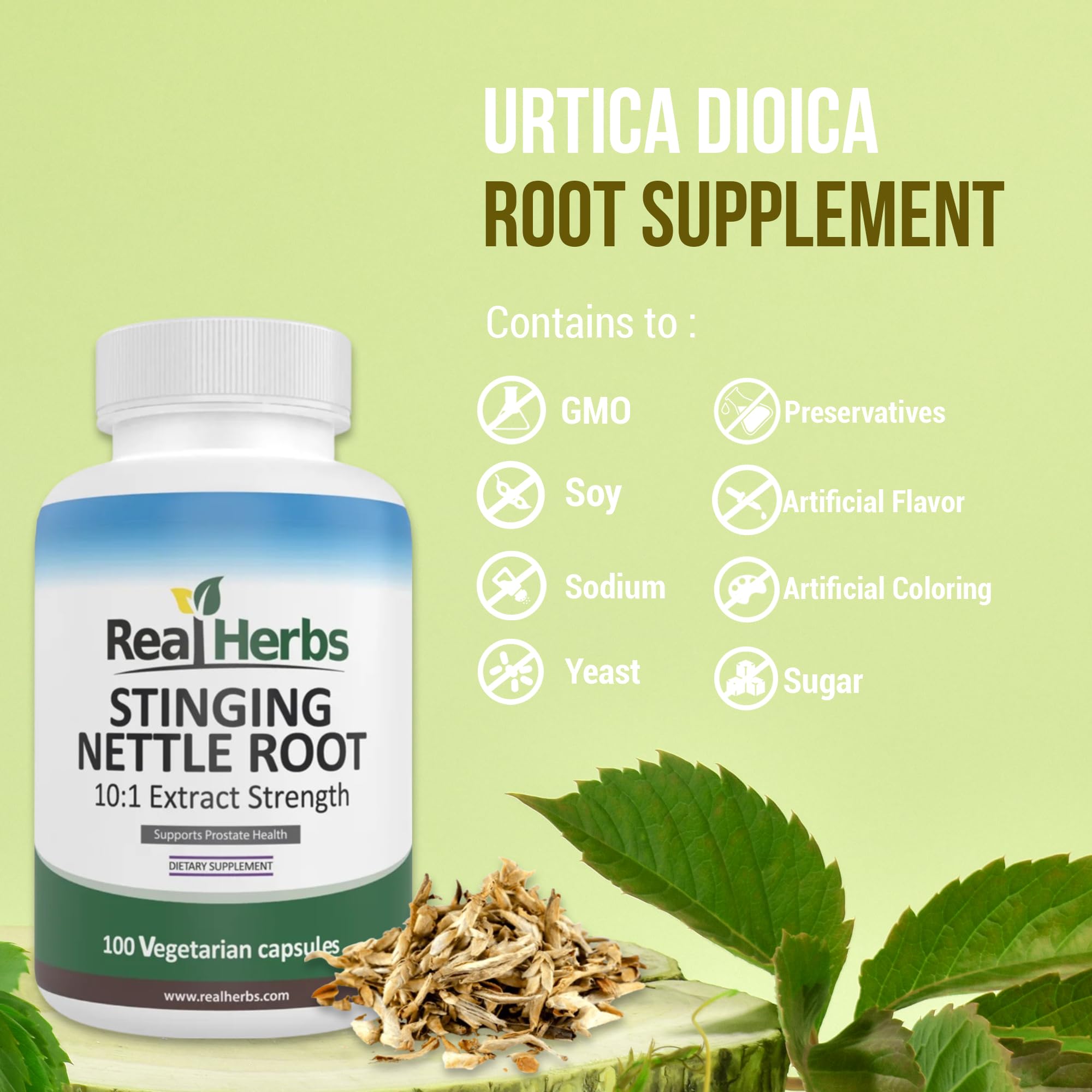
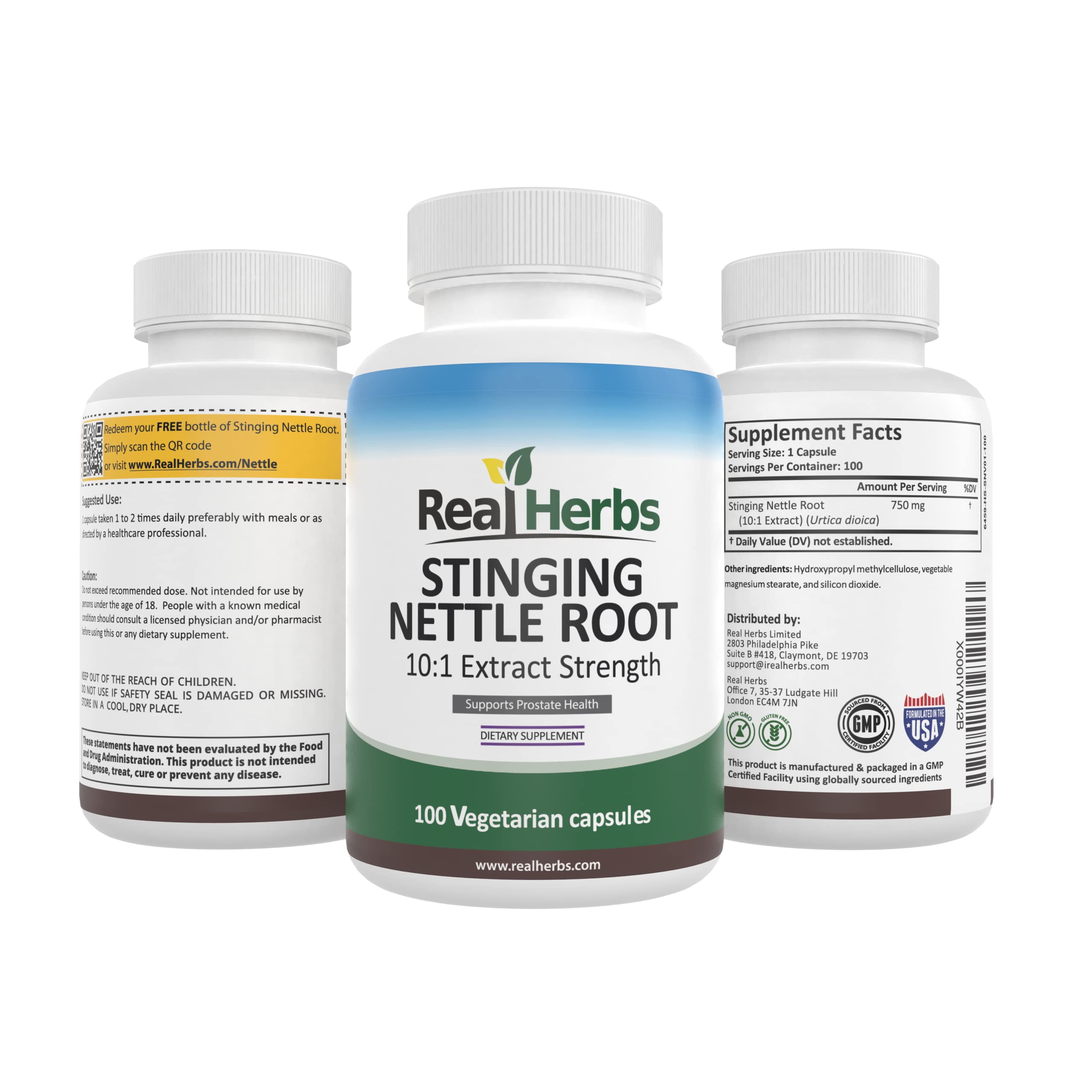
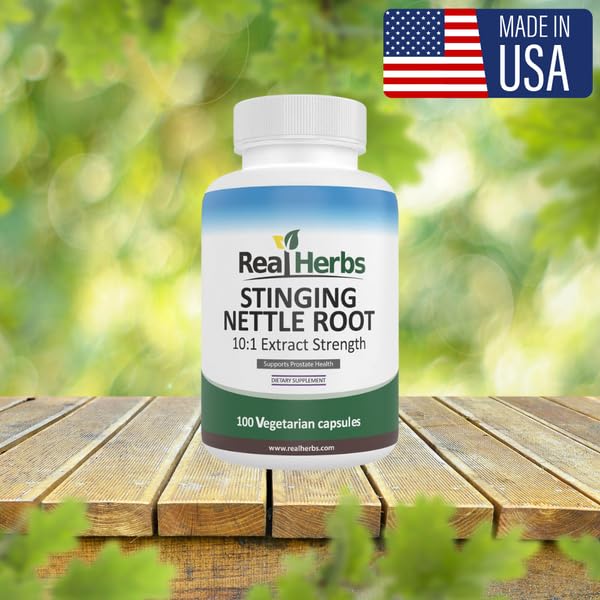
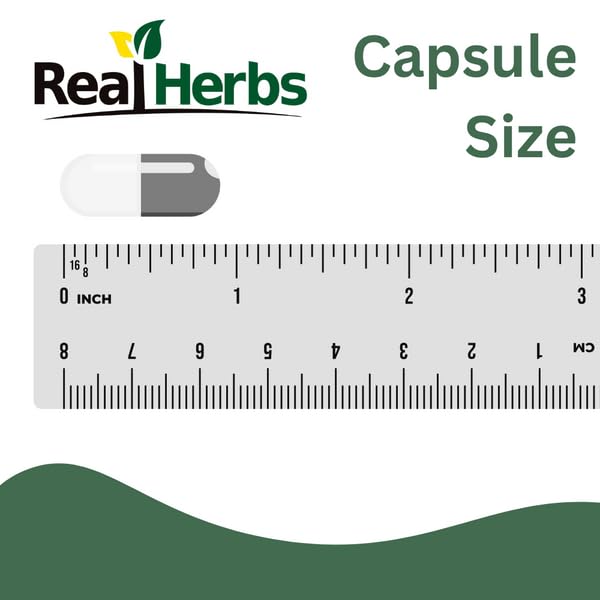
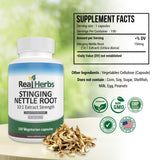
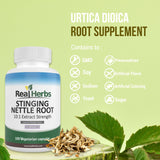
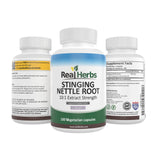
Real Herbs Stinging Nettle Root Extract delivers 750mg of 10:1 root extract per capsule. Suggested use: take 1-2 capsules daily with a meal, or as directed by your healthcare provider.
Shop Stinging Nettle Root Extract
Backed by our 30-Day Money-Back Guarantee.
Related Articles
- How Nettle Extract Supports Prostate Health
- Stinging Nettle Root: A Look at its Antioxidant and Nutrient Profile
Clinical References
- Testai L, Chericoni S, Calderone V, Nencioni G, Nieri P, Morelli I, Martinotti E. Cardiovascular effects of Urtica dioica L. (Urticaceae) roots extracts: in vitro and in vivo pharmacological studies. J Ethnopharmacol. 2002 Jun;81(1):105-9. PMID 12020933
- Legssyer A, Ziyyat A, Mekhfi H, Bnouham M, Tahri A, Serhrouchni M, Hoerter J, Fischmeister R. Cardiovascular effects of Urtica dioica L. in isolated rat heart and aorta. Phytother Res. 2002 Sep;16(6):503-7. PMID 12237804
- Qayyum R, Qamar HM, Khan S, Salma U, Khan T, Shah AJ. Mechanisms underlying the antihypertensive properties of Urtica dioica. J Transl Med. 2016 Sep 1;14(1):254. PMID 27585814
- Dhouibi R, Affes H, Ben Salem M, Hammami S, Sahnoun Z, Zeghal KM, Ksouda K. Screening of pharmacological uses of Urtica dioica and others benefits. Prog Biophys Mol Biol. 2020 Jan;150:67-77. PMID 31163183
- Samakar B, Mehri S, Hosseinzadeh H. A review of the effects of Urtica dioica (nettle) in metabolic syndrome. Iran J Basic Med Sci. 2022 May;25(5):543-553. PMID 35911652
- Bhusal KK, Magar SK, Thapa R, et al. Nutritional and pharmacological importance of stinging nettle (Urtica dioica L.): A review. Heliyon. 2022 Jun 22;8(6):e09717. PMID 35800714
- Chrubasik JE, Roufogalis BD, Wagner H, Chrubasik S. A comprehensive review on the stinging nettle effect and efficacy profiles. Part II: urticae radix. Phytomedicine. 2007 Aug;14(7-8):568-79. PMID 17509841
- Amiri Behzadi A, Kalalian-Moghaddam H, Ahmadi AH. Effects of Urtica dioica supplementation on blood lipids, hepatic enzymes and nitric oxide levels in type 2 diabetic patients. Avicenna J Phytomed. 2016 Nov-Dec;6(6):686-695. PMID 28078249
Disclaimer: The information provided in this article is for educational purposes only and is not intended as medical advice. Always consult with a qualified healthcare professional before making any decisions about your health, especially if you have pre-existing cardiovascular conditions or are taking prescription medications. These statements have not been evaluated by the Food and Drug Administration. This product is not intended to diagnose, treat, cure, or prevent any disease.
© 2026 Real Herbs. All rights reserved.