Understanding the Bioavailability of Nettle Root Compounds
By Jessica Johnson, Herbal Science Researcher at Real Herbs | Updated: July 2026 | Reading time: 8 minutes

Key takeaway: Bioavailability, how much of a compound the body actually absorbs and uses, matters as much as what's in a supplement to begin with. Some of the most detailed bioavailability research on nettle specifically studied leaf phenolic compounds, not root lignans. This is genuinely useful science, just worth knowing which part it applies to when evaluating a root product specifically.
Beyond the Label: Why Bioavailability Matters
A supplement label tells you how much of a compound went into a capsule, not how much your body actually absorbs and uses. This is the concept of bioavailability, and it's central to understanding whether a supplement's documented compounds translate into an effect in your body. Stinging nettle root (Urtica dioica) contains lignans, phytosterols, and phenolic compounds (PMID 17509841, PMID 36014458), and this guide covers what's actually known about how well the body absorbs them.
Factors Influencing Bioavailability
- Extraction method: How a compound is extracted from raw plant material affects its bioavailability. Lipophilic (fat-soluble) extraction methods have been studied specifically for their impact on the bioavailability of certain nettle compounds (PMID 23092723). It's worth being precise about this study: it tested root, stem, leaf, and flower separately, and found the flowering portion showed the strongest anti-inflammatory activity, with root specifically showing more moderate to weak activity by comparison.
- Compound solubility: Fat-soluble compounds like phytosterols require adequate dietary fat for optimal absorption, while water-soluble compounds are absorbed differently.
- Digestive processing: Compounds must survive digestion to reach the bloodstream. Some of the most detailed research on this specific process, called bioaccessibility, comes from nettle leaf phenolic compounds (3-caffeoylquinic acid, caffeoylmalic acid, and rutin) rather than root lignans specifically (PMID 27713992). This is genuinely valuable science for understanding how nettle compounds generally behave in digestion, but it doesn't directly demonstrate root lignan bioavailability, which hasn't been studied to the same degree.
What's Actually Known About Root Compound Absorption
Root-specific research tends to focus on demonstrated biological effects, SHBG binding, prostate cell inhibition, cardiovascular effects, rather than directly tracing compound absorption through the digestive tract the way the leaf bioaccessibility research does (PMID 7700987, PMID 12020933). The fact that root extracts produce measurable effects in clinical trials is itself indirect evidence that at least some of their compounds are bioavailable, but detailed pharmacokinetic tracing of root lignans specifically through absorption, distribution, and elimination hasn't been established to the same degree as the leaf phenolic research.
Practical Implications for Supplement Use
- Standardized extracts: Choosing a standardized extract (such as a 10:1 ratio) helps ensure a consistent starting amount of compounds, even without a complete picture of exactly how much reaches your bloodstream.
- Consistency over time: Because absorption and effects build gradually, consistent daily use over weeks to months is more likely to reflect how nettle root has actually been studied than occasional use.
- Taking with food: Given that some of nettle's most studied compounds are fat-soluble, taking your supplement with a meal containing some fat is a reasonable, low-risk practice, even without root-specific absorption data confirming its exact impact.
Frequently Asked Questions
Is the bioavailability research for nettle root or nettle leaf?
Much of the most detailed digestive-absorption (bioaccessibility) research specifically studied leaf phenolic compounds. Root research tends to demonstrate biological effects directly (in clinical trials) rather than tracing absorption step by step the way the leaf research does. Both are useful, but they're different kinds of evidence.
Does this mean nettle root's compounds aren't well absorbed?
Not necessarily. Root extracts have produced measurable effects in clinical trials, which is itself indirect evidence of bioavailability. It just means the detailed, step-by-step absorption research that exists for leaf compounds hasn't been directly replicated for root lignans specifically.
Choose a Standardized, Consistent Root Extract
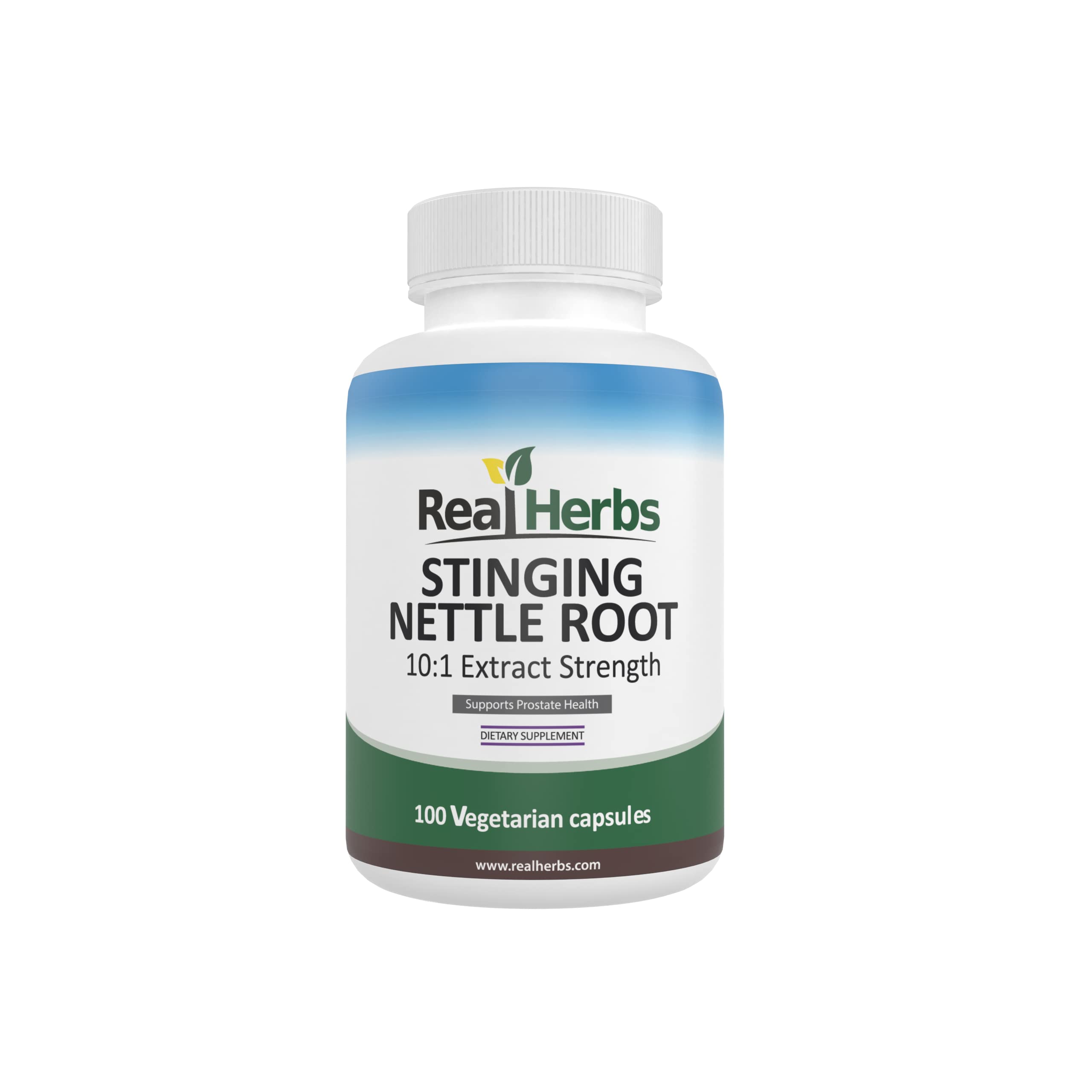
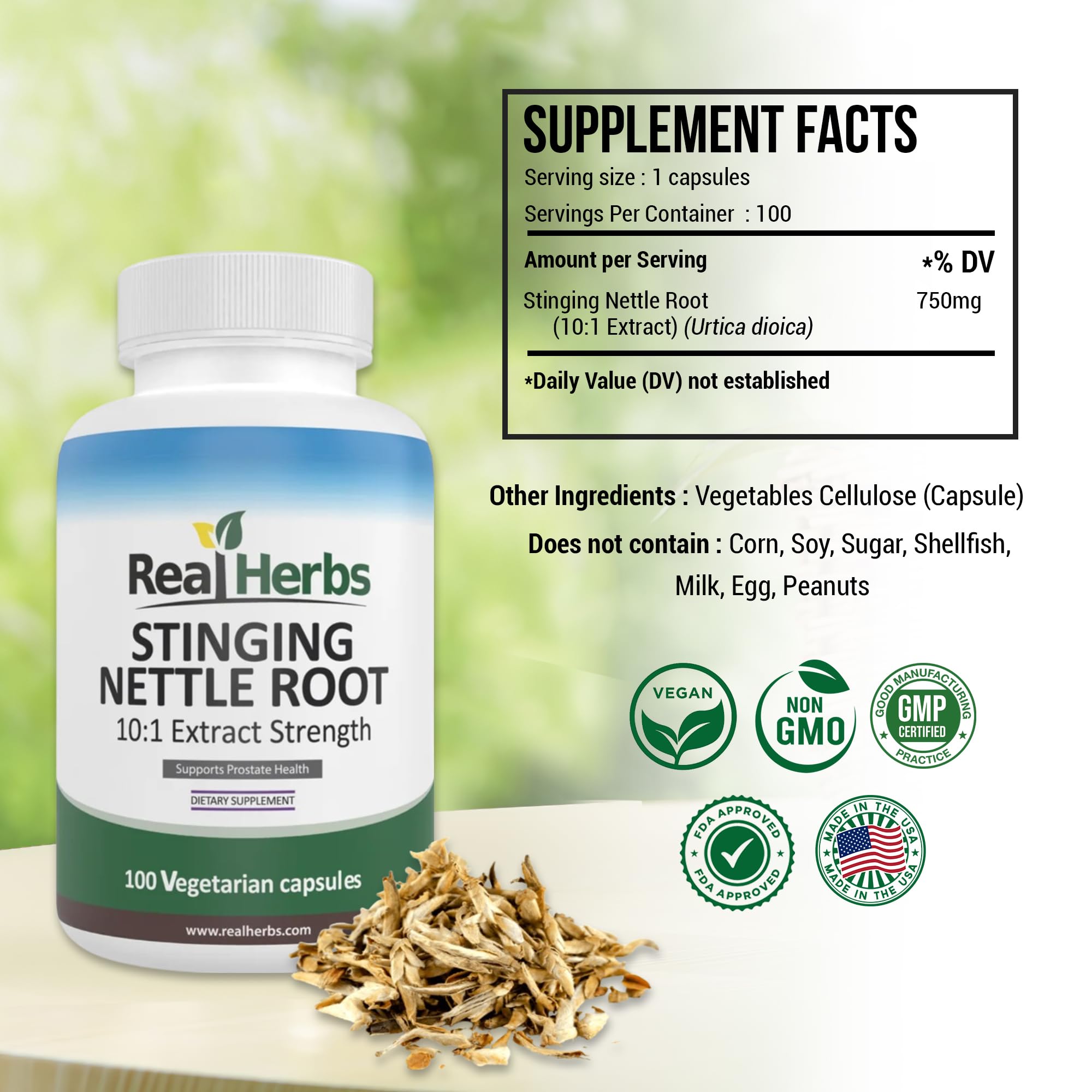
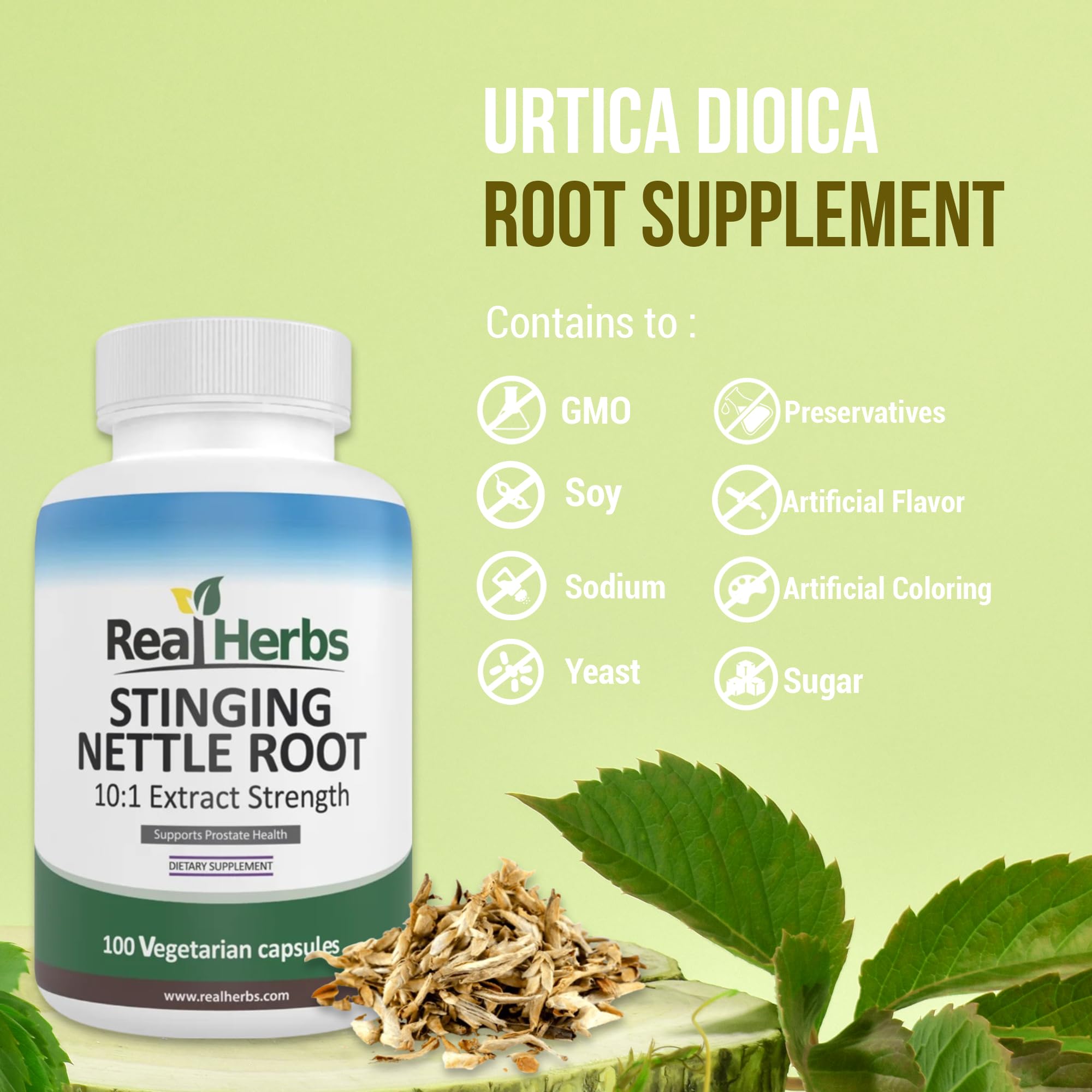
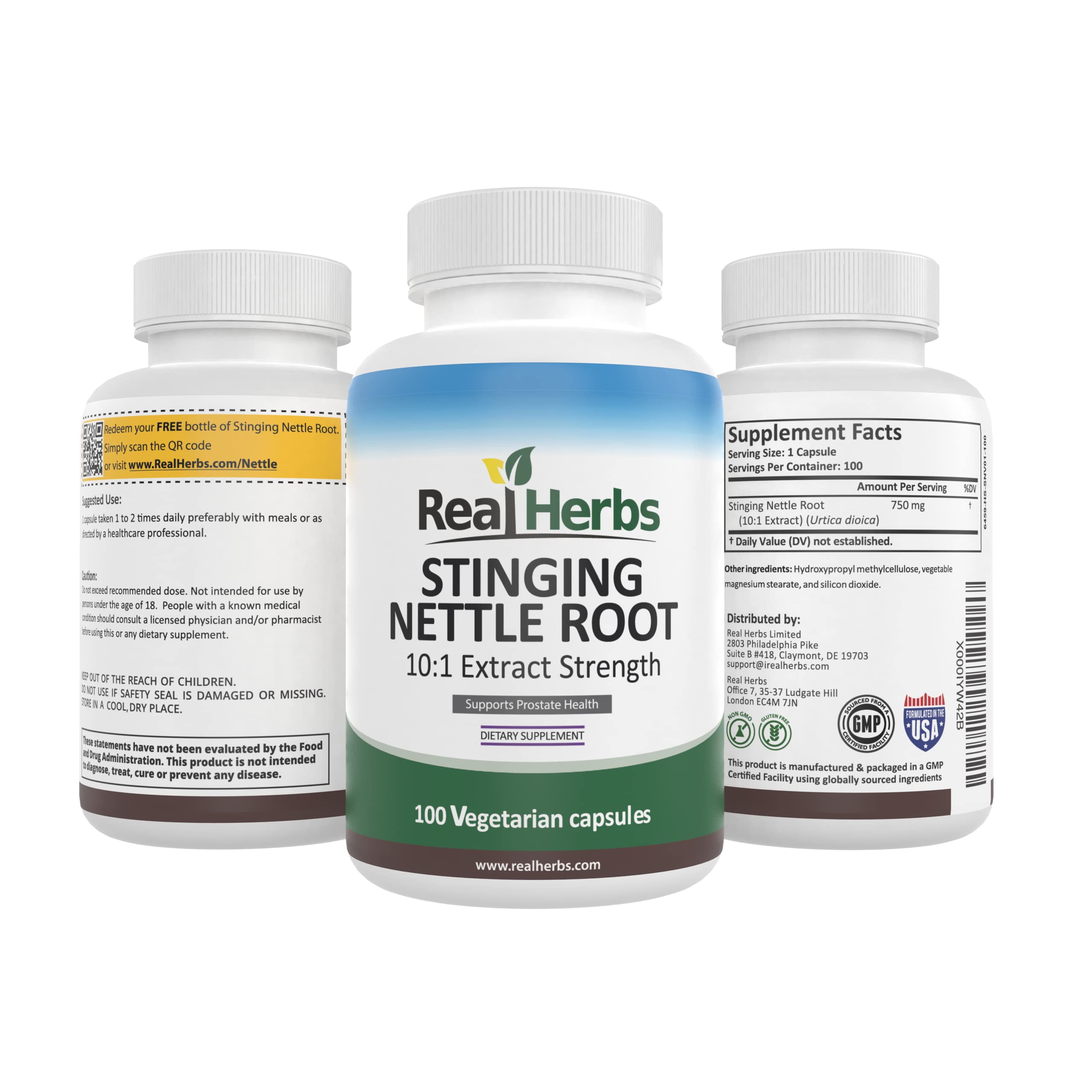
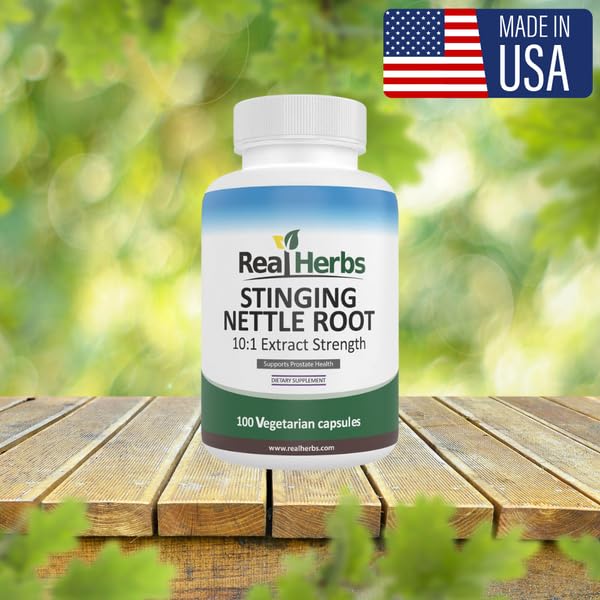
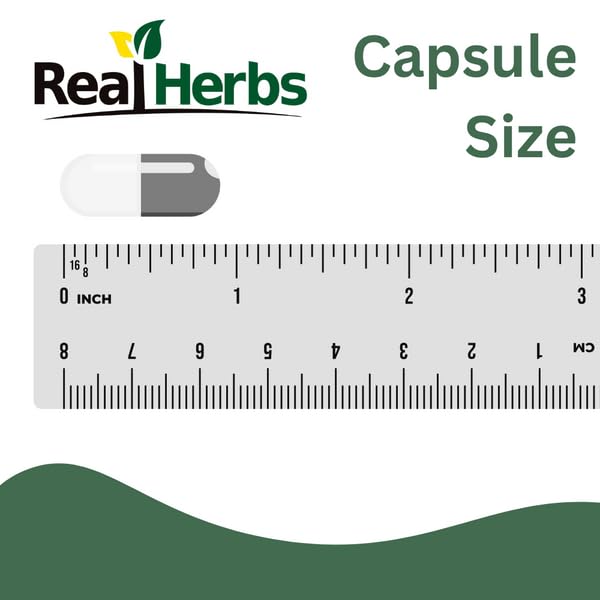
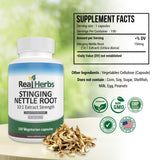
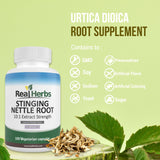
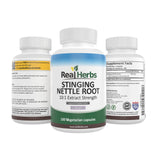
Real Herbs Stinging Nettle Root Extract delivers 750mg of 10:1 root extract per capsule. Suggested use: take 1-2 capsules daily with a meal, or as directed by your healthcare provider.
Shop Stinging Nettle Root Extract
Backed by our 30-Day Money-Back Guarantee.
Related Articles
- Stinging Nettle Root: A Look at its Antioxidant and Nutrient Profile
- How Nettle Extract Supports Prostate Health
Clinical References
- Chrubasik JE, Roufogalis BD, Wagner H, Chrubasik S. A comprehensive review on the stinging nettle effect and efficacy profiles. Part II: urticae radix. Phytomedicine. 2007 Aug;14(7-8):568-79. PMID 17509841
- Devkota HP, Paudel KR, Khanal S, et al. Stinging Nettle (Urtica dioica L.): Nutritional Composition, Bioactive Compounds, and Food Functional Properties. Molecules. 2022 Aug 16;27(16):5219. PMID 36014458
- Johnson TA, Sohn J, Inman WD, Bjeldanes LF, Rayburn K. Lipophilic stinging nettle extracts possess potent anti-inflammatory activity, are not cytotoxic and may be superior to traditional tinctures for treating inflammatory disorders. Phytomedicine. 2013 Jan;20(2):143-7. PMID 23092723
- Bonetti G, Tedeschi P, Meca G, Bertelli D, Mañes J, Brandolini V, Maietti A. In vitro bioaccessibility, transepithelial transport and antioxidant activity of Urtica dioica L. phenolic compounds in nettle based food products. Food Funct. 2016 Oct 12;7(10):4222-4230. PMID 27713992
- Hryb DJ, Khan MS, Romas NA, Rosner W. The effect of extracts of the roots of the stinging nettle (Urtica dioica) on the interaction of SHBG with its receptor on human prostatic membranes. Planta Med. 1995 Feb;61(1):31-2. PMID 7700987
- Testai L, Chericoni S, Calderone V, Nencioni G, Nieri P, Morelli I, Martinotti E. Cardiovascular effects of Urtica dioica L. (Urticaceae) roots extracts: in vitro and in vivo pharmacological studies. J Ethnopharmacol. 2002 Jun;81(1):105-9. PMID 12020933
Disclaimer: The information provided in this article is for educational purposes only and is not intended as medical advice. Always consult with a qualified healthcare professional before making any decisions about your health or starting any new supplement regimen. These statements have not been evaluated by the Food and Drug Administration. This product is not intended to diagnose, treat, cure, or prevent any disease.
© 2026 Real Herbs. All rights reserved.